In the early 2020s, the promise of Artificial Intelligence (AI) to Chief Operating Officers (COOs) was straightforward: "Let the algorithms handle the heavy lifting while you focus on high-level strategy." Today, in June 2026, the reality within the boardrooms of Nike, Sysco, and Box is starkly different. Instead of an era of effortless automation, COOs find themselves trapped in what analysts call the "automation illusion" — a state where the introduction of AI has added more layers of complexity, technical debt, and managerial friction than it was supposed to eliminate.
A recent report by Fortune AI highlights a growing sense of frustration among top executives. The transition from shiny pilot programs to full-scale operational production has proven far more painful than management consultants predicted. The issue isn't the technology itself, but its friction with legacy systems, human workplace cultures, and increasingly volatile global supply chains.
The Integration Paradox and the Data Black Box
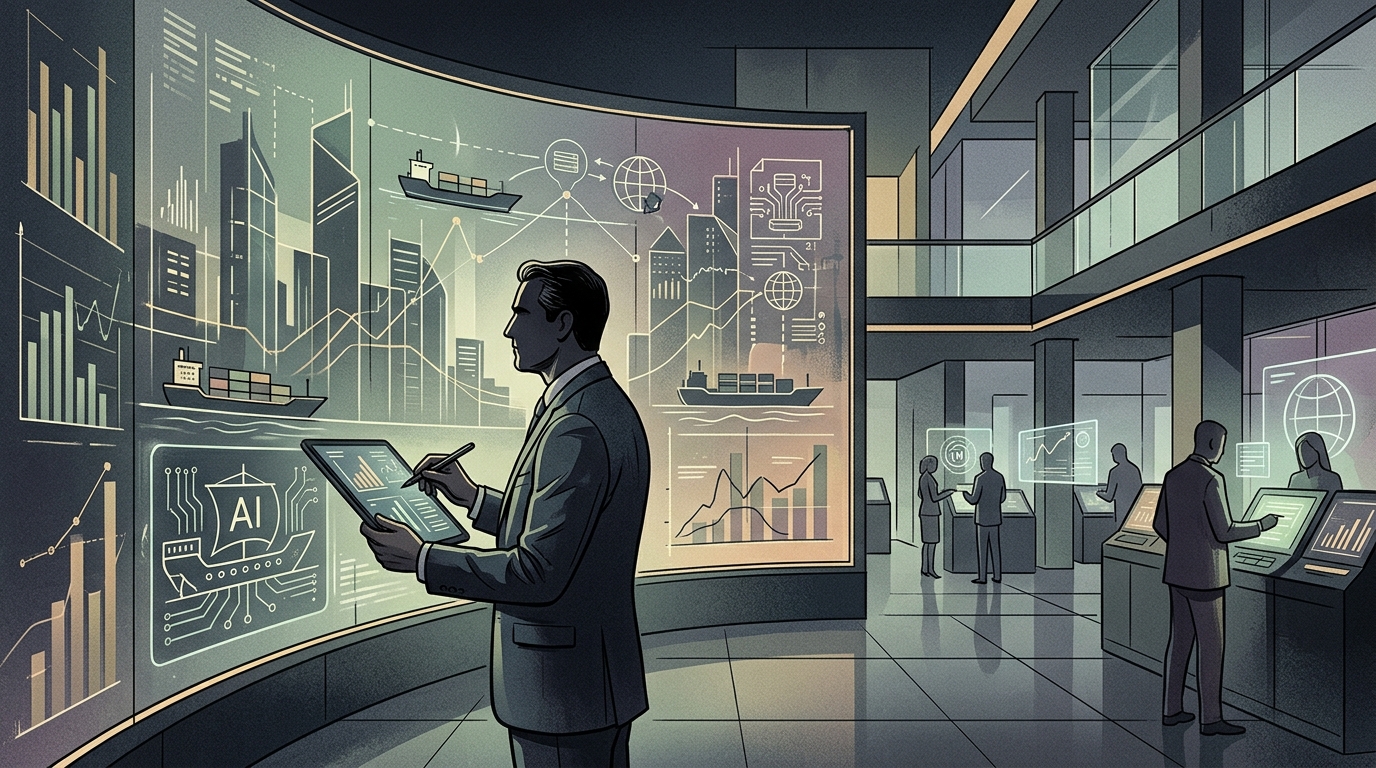
For a COO at a company like Sysco, which manages massive food distribution networks and complex logistics, AI should be the ultimate ally. However, integrating machine learning models into decades-old legacy systems has created an "integration paradox." Every time an algorithm optimizes a delivery route, COOs must ensure that this decision doesn't violate local labor laws, specific client contracts, or warehouse constraints that the AI cannot yet fully "comprehend."
- Data cleansing requirements have surged by 40% over the last two years to support AI models.
- Departmental data silos remain the single greatest barrier to effective automation.
- The "black box" nature of AI decision-making creates executive hesitation during critical pivots.
As a Nike executive noted, "We aren't just automating a process; we are building a new digital infrastructure on shifting sands." The need for constant oversight of these algorithms means COOs are no longer just managing people, but also an army of "digital workers" that require continuous maintenance, auditing, and recalibration.
The Human Element: From Execution to Orchestration
The greatest challenge, however, remains the human factor. Automation creates a unique psychological strain on the workforce that COOs are now forced to navigate. At Box, the introduction of AI for document management reduced manual labor hours but significantly spiked anxiety levels among employees fearing displacement. The COO’s role is shifting from operational excellence to "algorithmic governance" and psychological leadership.
"AI doesn't take work away from the COO; it changes its form. From a supervisor of production, you become an arbiter between human intuition and machine logic," the report states.
This shift requires an entirely new skill set. The COO of 2026 must understand statistics, data ethics, and cybersecurity at a level previously reserved for CTOs. The "ease" promised by AI turned out to be a massive transfer of burden from manual or repetitive tasks to cognitive and strategic complexity.
Economic Reality: The Never-Ending CAPEX
From a financial perspective, automation has not led to the immediate cost reductions that shareholders demanded. On the contrary, Capital Expenditure (CAPEX) for AI infrastructure remains high, while Operating Expenses (OPEX) are rising due to the need for high-priced specialists to oversee the systems. COOs find themselves in the uncomfortable position of explaining why AI "efficiency" hasn't yet translated into fatter margins.
In the retail sector, AI can predict demand with 95% accuracy, but if the physical supply chain cannot respond due to geopolitical tensions or shipping strikes, that prediction is worthless. AI makes the system leaner, but also more brittle. A single data error can trigger a global chain reaction of logistical failures, making the COO’s job a non-stop exercise in crisis management.
In conclusion, AI is not the "magic wand" many hoped for. It is a powerful but temperamental tool that demands more, not less, human leadership. The COOs who will thrive in this new era are those who accept that automation is not a destination, but a continuous, complex journey that requires a steady hand and a skeptical eye.