SoftBank’s announcement of a €75 billion investment in France is more than just a business headline; it is a geopolitical statement of intent. At a time when the global race for Artificial Intelligence (AI) supremacy is accelerating, Masayoshi Son, the visionary leader of the Japanese conglomerate, has chosen the heart of Europe to build the next great fortress of data. This move, part of SoftBank’s broader strategy to transition from mere software investments to full AI infrastructure dominance, places France at the center of the digital map.
The French Advantage and the Nuclear Edge
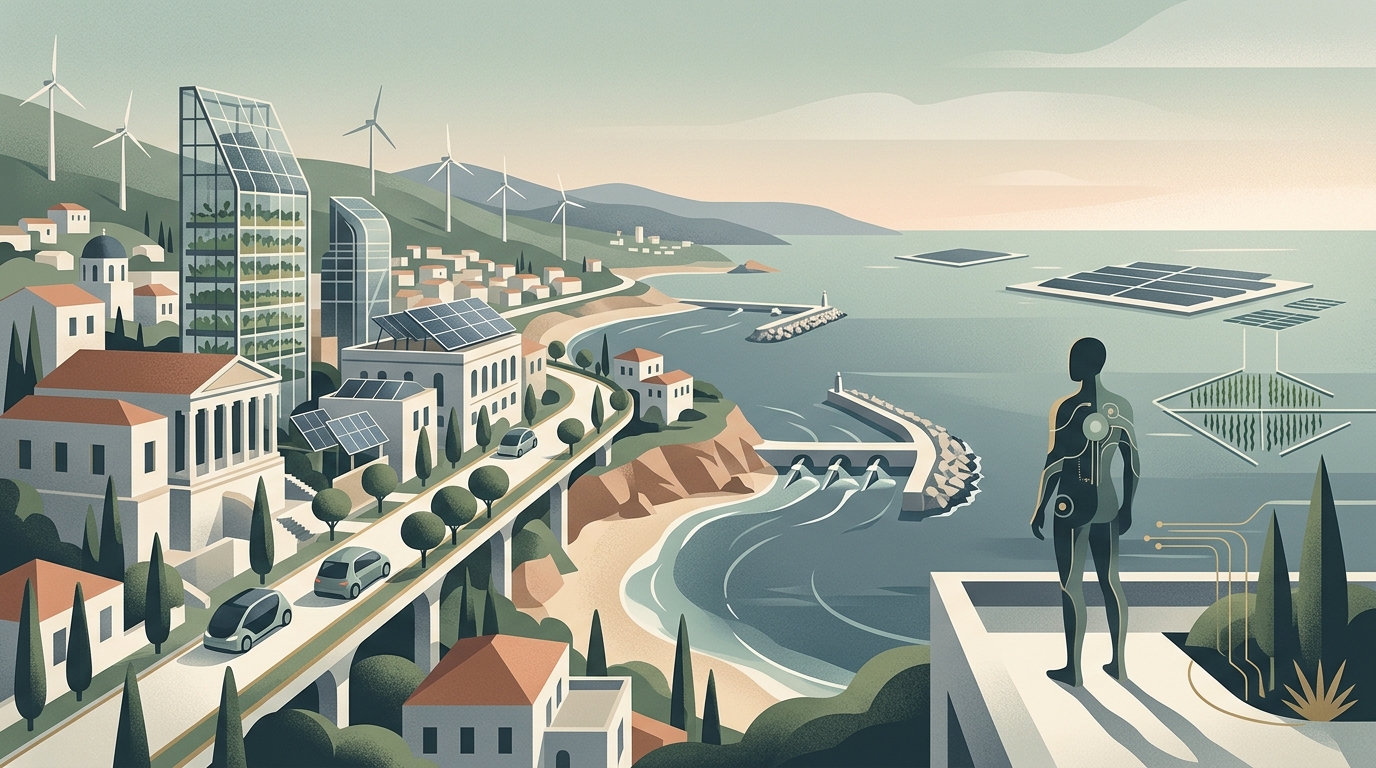
But why France? The answer lies in one word: Energy. Next-generation data centers, housing thousands of NVIDIA H100 and B200 GPUs, are energy "beasts." France, thanks to its extensive network of nuclear power plants, offers something the rest of Europe struggles to find: stable, low-cost, and, crucially, low-carbon baseload power. President Emmanuel Macron, through the "Choose France" initiative, has successfully convinced SoftBank that France is not just a hub for innovation, but a safe energy harbor.
This investment is expected to be directed toward the creation of massive data center clusters, which will provide the necessary computing power to train Large Language Models (LLMs). SoftBank, which controls ARM—the company that designs the processors found in almost every smartphone worldwide—sees a unique synergy. By combining ARM’s architecture with French infrastructure, it aims to create an ecosystem that can compete head-on with American giants like Microsoft and Google.
The Energy Bet and Infrastructure Challenges
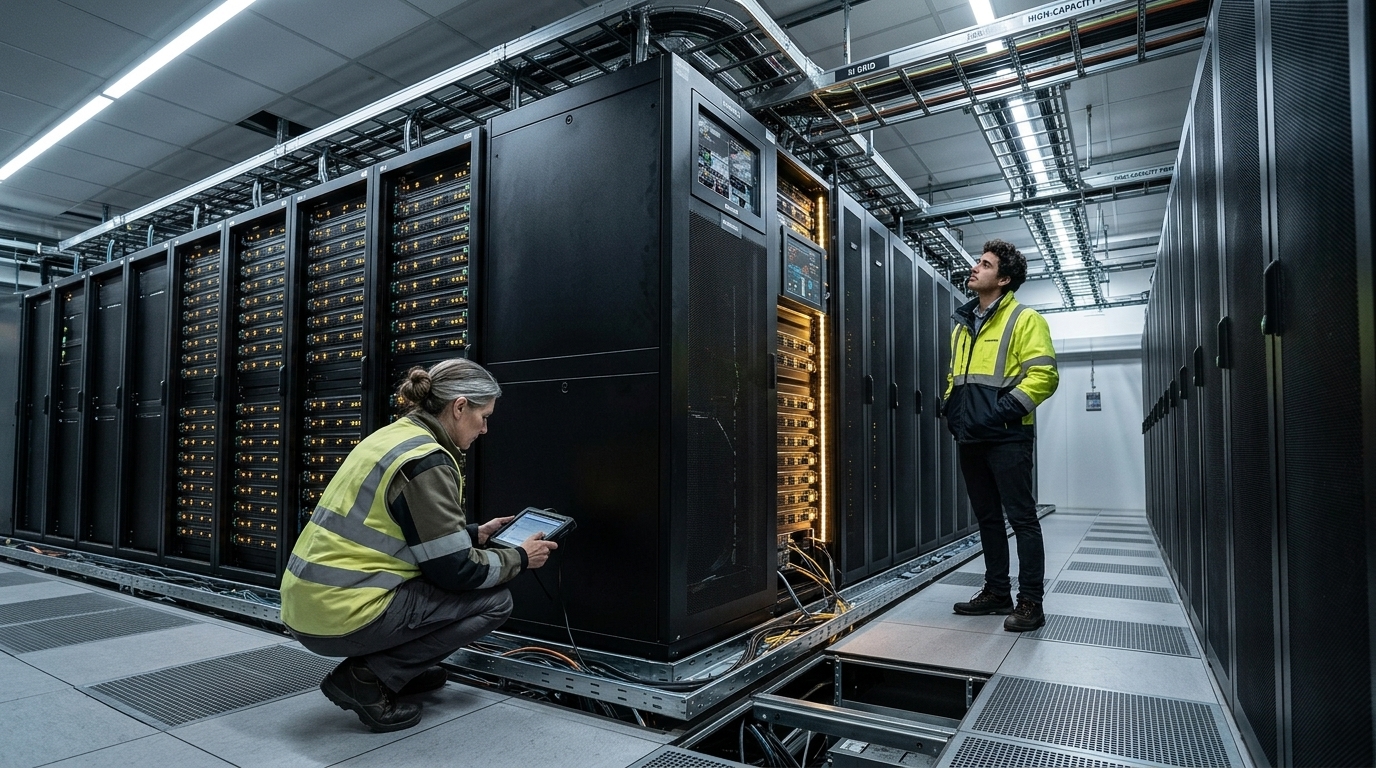
Despite the optimism, the challenges are immense. Energy consumption by data centers in Europe is expected to triple by 2030. The question arises whether the French grid, despite its nuclear superiority, can withstand such a load without affecting the stability of supply to citizens and other industries. The €75 billion investment is not just about buildings and servers; it involves extensive upgrades to the power transmission grid and the creation of new cooling solutions, which are essential for AI chip operation.
- Upgrading high-voltage networks in collaboration with RTE.
- Investing in liquid cooling technologies to reduce the environmental footprint.
- Partnerships with local renewable energy providers to balance the load.
Geopolitics and Digital Sovereignty
This move comes at a time when the European Union is pushing for "digital sovereignty." Dependence on American cloud infrastructure has been a point of friction for Brussels. SoftBank, although Japanese-owned, offers an alternative that can operate within the European regulatory framework (GDPR, AI Act). For France, this investment is a victory of both prestige and substance, making it the undisputed tech leader on the continent, leaving Germany and the UK behind in the AI infrastructure race.
"We are not just building data warehouses; we are building the factory of future intelligence," a SoftBank executive stated during the plan's presentation.
In conclusion, SoftBank’s mammoth investment in France is a bold experiment. If successful, it will prove that Europe can be a protagonist in the AI era, provided it leverages its strategic advantages. If it fails under the weight of energy demands, it will serve as a loud lesson on the limits of digital growth in a resource-constrained world.