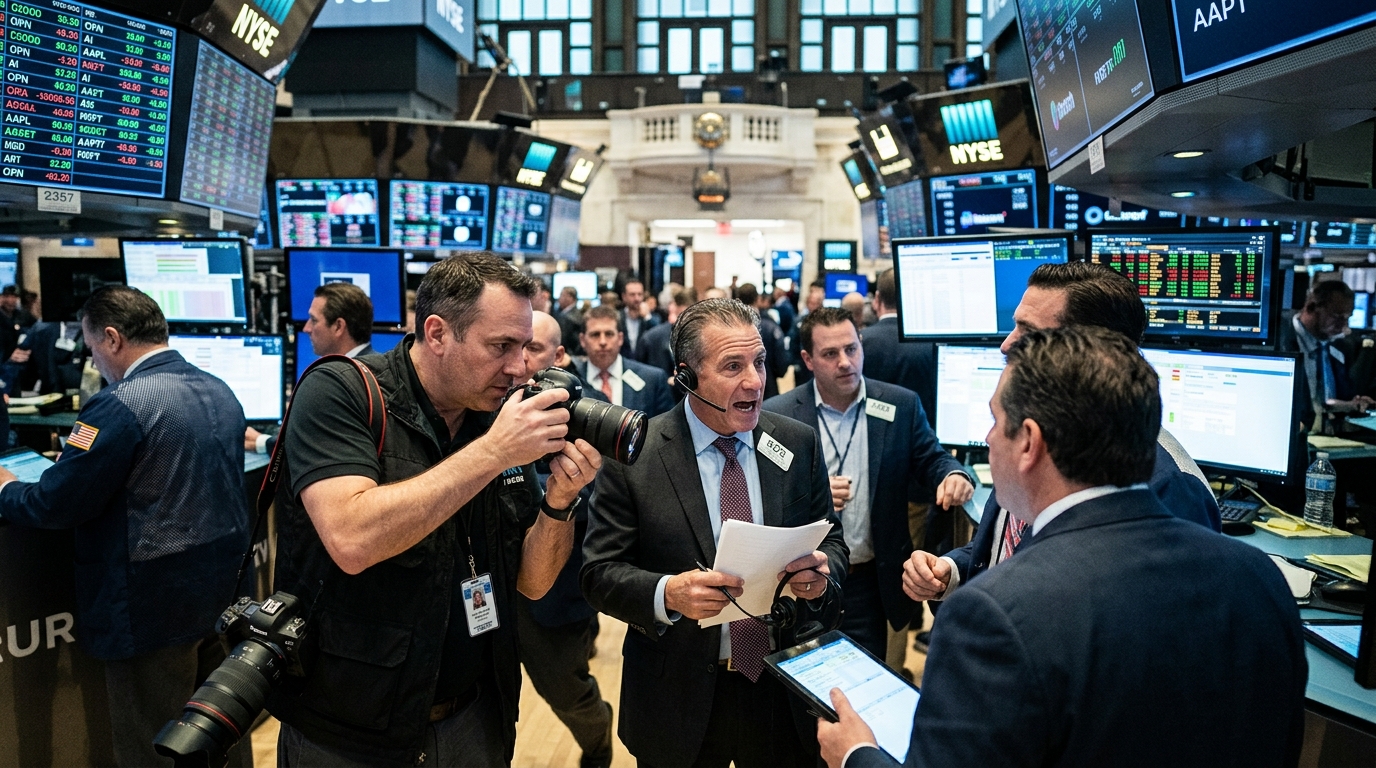
According to reports from the Wall Street Journal and Bloomberg, OpenAI, the company that ignited the global AI revolution, is in the final stages of preparing for its initial public offering (IPO). This move, expected to take place within the coming days or weeks, is not merely financial news; it is a landmark moment that will redefine the structure of the global tech market and the relationship between innovation and capital.
The Transformation of a Titan
OpenAI’s journey from a non-profit research lab in 2015 to a commercial behemoth with a rumored valuation approaching or exceeding $150 billion is unprecedented. The imminent IPO comes at a time when the company has solidified its dominance with ChatGPT, the Sora video generation model, and SearchGPT—a search engine that has begun to seriously challenge Google’s long-standing hegemony.
Transitioning to a public company requires a radical restructuring of corporate governance. OpenAI is expected to convert into a "public benefit corporation," a move aimed at balancing shareholder profits with its mission to develop safe and beneficial artificial general intelligence (AGI). However, analysts point out that the pressure of quarterly earnings from Wall Street could clash with the long-term ethical goals originally set by Sam Altman and the founding team.
Financial Implications and the Microsoft Factor
Microsoft, OpenAI’s largest investor with over $13 billion committed, is poised to be the major winner in this development. While the relationship between the two companies has experienced periods of tension, the IPO will allow Microsoft to realize part of its gains or solidify its position as the primary strategic partner in cloud infrastructure (Azure). Furthermore, entering the public market will provide the necessary liquidity to cover the astronomical costs of compute. Developing next-generation models (GPT-5 and beyond) requires tens of billions in investments for Nvidia chips and data centers—sums that even the largest venture capitalists struggle to provide alone.
- Valuation: Estimates suggest one of the largest IPOs of all time, rivaling those of Saudi Aramco or Alibaba.
- Revenue: OpenAI has managed to surpass $4 billion in annualized revenue, primarily through enterprise subscriptions and API licensing.
- Competition: This move places immense pressure on Anthropic and Elon Musk’s xAI, which must now decide whether to follow suit to remain competitive in the capital-intensive AI race.
Challenges and Regulatory Scrutiny
The path to an IPO is not without hurdles. OpenAI faces a series of legal battles over intellectual property, most notably the lawsuit from the New York Times. Simultaneously, regulators in the US and the EU are closely examining whether the company operates monopolistically. The mandatory disclosure of financial data and internal operations required by the SEC will shed light on aspects that have remained opaque, such as exact energy consumption and data training agreements.
"This IPO isn't just about the money. It's about the legitimization of AI as the central infrastructure of the 21st century," says a senior Wall Street executive involved in the underwriting process.
In conclusion, OpenAI is preparing to cross the threshold of full commercialization. For investors, it is a once-in-a-generation opportunity. For humanity, it is the moment when the most powerful technology ever created is placed under the direct control of market forces, with all the implications that carries for safety and the future of labor.