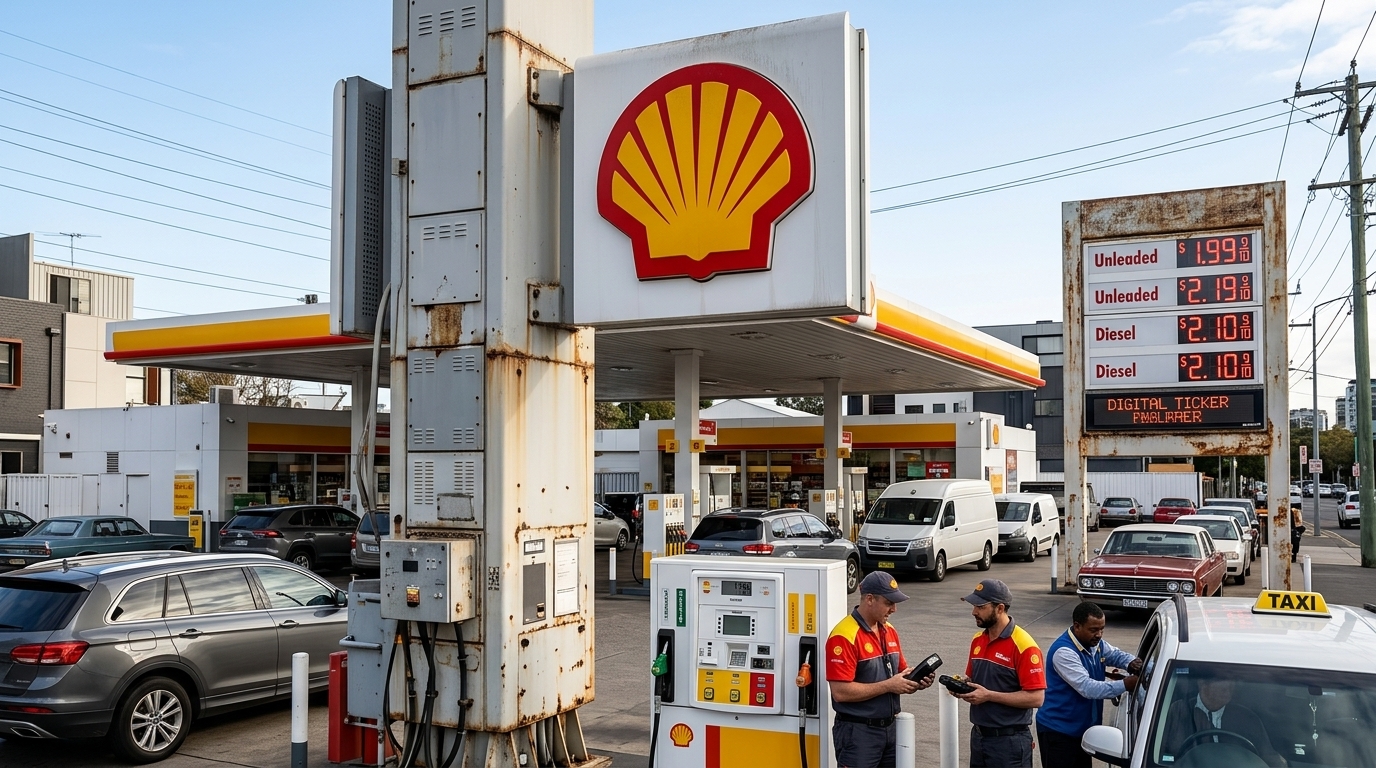
In an era where the global community proclaims the need for a rapid green transition, the economic reality of recent years seems to be following an entirely different path. Major oil and gas companies, the so-called 'Big Oil,' have seen their profits double, fueled by geopolitical turbulence, armed conflicts, and an energy market that remains desperately dependent on hydrocarbons. Recent analysis from the German press, combined with maneuvers in the Middle East, highlights a complex picture where economics, politics, and the planet's survival collide head-on.
War Profiteering and the Berlin Critique
The German press has been particularly acerbic regarding the activities of oil groups during recent conflicts in Ukraine and the Middle East. Analysts point out that these companies did not merely increase their productivity; they exploited price volatility to achieve profit margins that were considered unthinkable five years ago. The concept of 'windfall profits' has been at the heart of political debate in Europe, with many governments pushing for extraordinary taxation.
However, the reality is more nuanced. Oil companies argue that these profits are essential for reinvestment in low-carbon technologies. Their critics, however, observe that the bulk of these funds is directed toward share buybacks and dividends, satisfying shareholders while leaving the climate in the backseat. Germany, which has long been Europe's industrial powerhouse, is experiencing this pressure more intensely than anyone else, as energy costs now threaten the very competitiveness of the German industrial machine.
Riyadh, Trump, and Energy Diplomacy
On the other side of the Atlantic, the US political scene remains inextricably linked to fossil fuel interests. Reports of pressure from Riyadh toward the Donald Trump camp highlight how oil is used as a lever in global diplomacy. Saudi Arabia, through OPEC+, has demonstrated that it can regulate global supply in a way that serves its own fiscal interests, often clashing with Washington's desires for lower prices at the pump.
Riyadh's strategy appears to bet on a return of Trump to the White House, anticipating a more 'friendly' stance toward traditional energy forms and fewer restrictions due to climate change. This creates an explosive cocktail: a global superpower divided between a green agenda and the need for energy sovereignty, and a regional player holding the taps of 'black gold.'
The Greek Response: Satellites Against Wildfires
While oil giants count their billions, countries like Greece find themselves on the front lines of the climate crisis. Investing in Greek satellites for the detection of forest fires is a move of survival. It is the irony of our time: profits from burning hydrocarbons indirectly finance the need for technologies that protect us from the disasters caused by that very combustion.
The Greek satellite program is not just a technological achievement but a symbol of the new era. Using artificial intelligence and Earth observation for early fire warnings shows the way forward for how technology can mitigate impacts. Yet, the question remains: is defense enough when the 'offensive' of fossil fuels remains so profitable and politically powerful? The balance between the profits of the few and the safety of the many remains the great challenge of the 21st century.