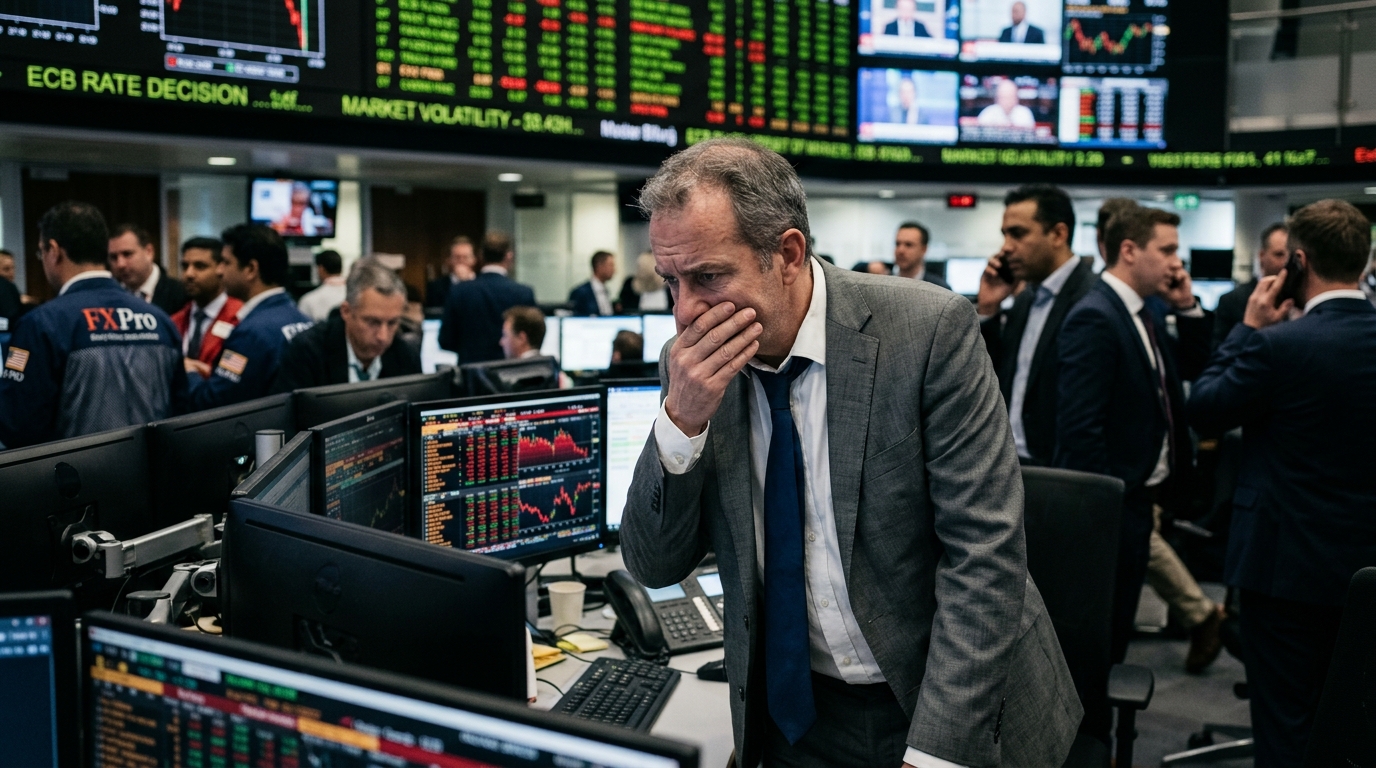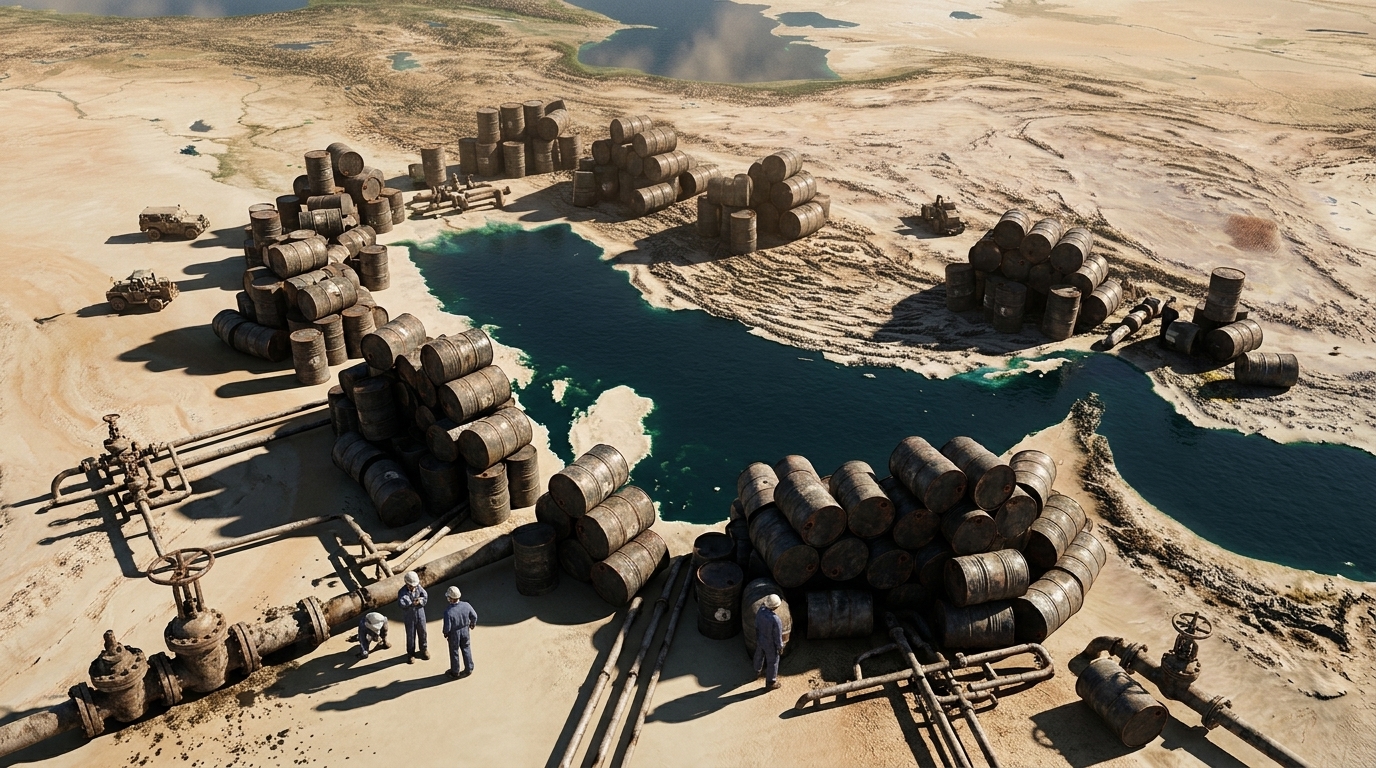
The global energy chessboard is facing one of its most dramatic challenges in decades. As the conflict in Iran escalates, the tremors are not confined to the geopolitical borders of the Middle East; they are vibrating through the very fabric of the global economy. Recent data reveals a shocking reality: global oil reserves are being drained at a pace unseen since the 1973 oil crisis. The so-called 'safety cushion'—the strategic petroleum reserves (SPR) held by nations for emergencies—is depleting rapidly, leaving international trade exposed to unprecedented volatility.
The Geopolitics of Scarcity and the Strait of Hormuz
At the heart of the crisis lies the strategic significance of Iran. With the country involved in active warfare, the flow of 'black gold' through the Strait of Hormuz has become extremely precarious. Approximately 20% of global oil consumption passes through this narrow waterway daily. Attacks on tankers and the looming threat of a total blockade have forced markets to rely heavily on stored reserves to bridge the supply gap.
However, these reserves are not bottomless. Energy market analysts report that demand has outstripped supply by millions of barrels per day. The International Energy Agency (IEA) warns that if current trends persist, many developed economies will find themselves with stocks lasting fewer than 30 days of consumption—a threshold considered a 'red alert' for national security and industrial continuity.
The Role of AI in Crisis Management
In this grim landscape, technology, and specifically Artificial Intelligence (AI), is taking on a critical role. Major oil companies and governments are now employing advanced algorithms to predict price fluctuations and optimize the supply chain. AI enables real-time identification of alternative routes for tankers, avoiding high-risk zones while helping to manage remaining stocks with surgical precision.
Furthermore, machine learning models analyze satellite imagery of oil storage facilities worldwide, providing a more transparent view of the situation. This transparency is a double-edged sword: while it prevents panic sparked by unfounded rumors, it also confirms the harsh reality of scarcity, often leading to speculative maneuvers in the commodity markets.
Economic Implications and the Specter of Stagflation
The depletion of reserves has a direct impact on fuel prices, which in turn trigger a wave of inflation across all consumer goods. Shipping costs have skyrocketed, affecting everything from food to electronics. Central banks are caught in a dilemma, as raising interest rates to combat inflation risks tipping the global economy into a deep recession.
- Brent crude prices have surged past $120 per barrel, with signs of further increases.
- U.S. Strategic Petroleum Reserves are at their lowest levels since 1983.
- Europe, already strained by its green energy transition, faces the prospect of fuel rationing.
The situation is further complicated by the stance of OPEC+. Despite pressure from Western nations to increase production, cartel members remain hesitant, citing technical limitations and a strategic preference to maintain high prices to plug their own fiscal deficits.
Conclusion: Toward a New Energy Order?
The crisis in Iran is acting as a catalyst for accelerating the shift away from fossil fuels. However, this transition cannot happen overnight. In the interim, the global community must manage a dangerous shortage that threatens social cohesion and economic stability. The need for a diplomatic resolution to the conflict is more urgent than ever, as the 'drying up' of reserves is not just an economic metric but an existential threat to the modern way of life.
"Oil has been the lifeblood of the global economy for a century. Today, we are watching that lifeblood drain away through a wound that refuses to heal," notes a leading energy analyst.