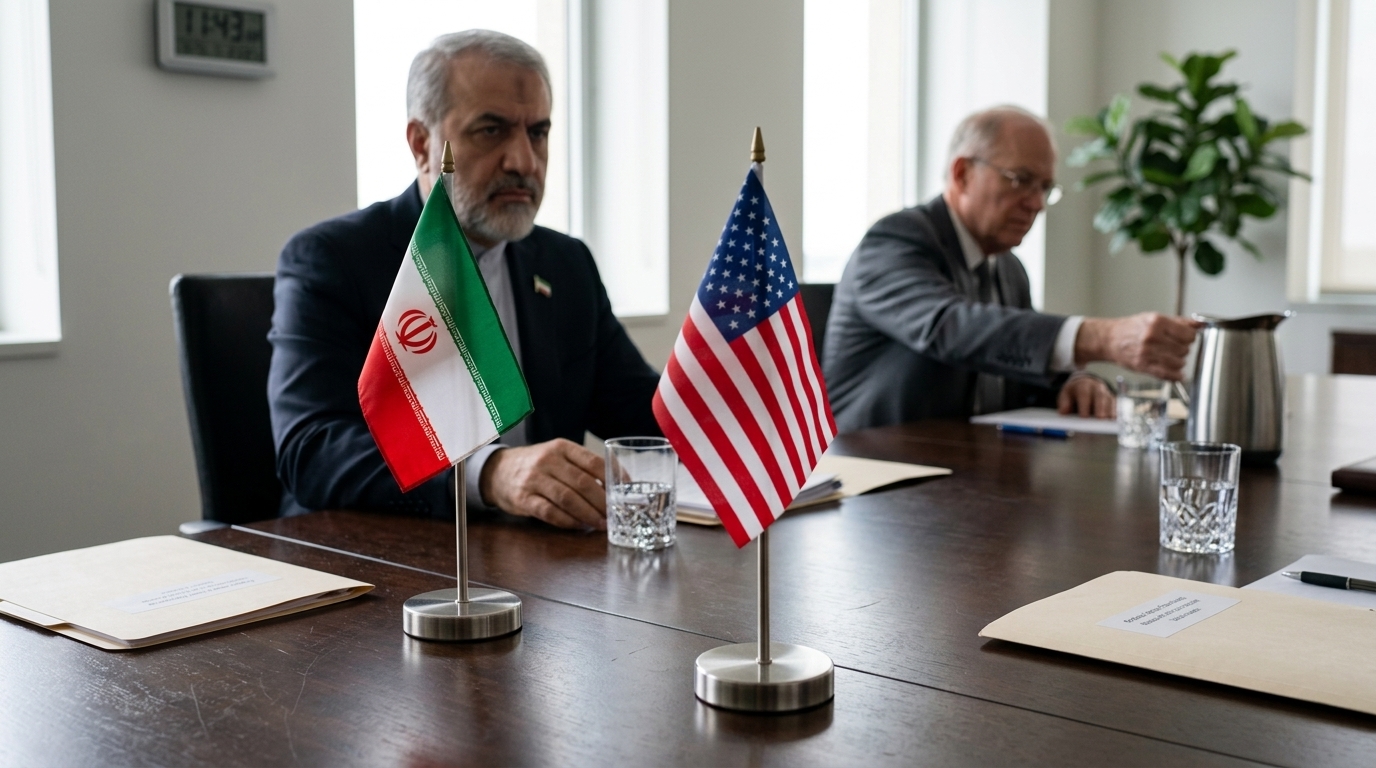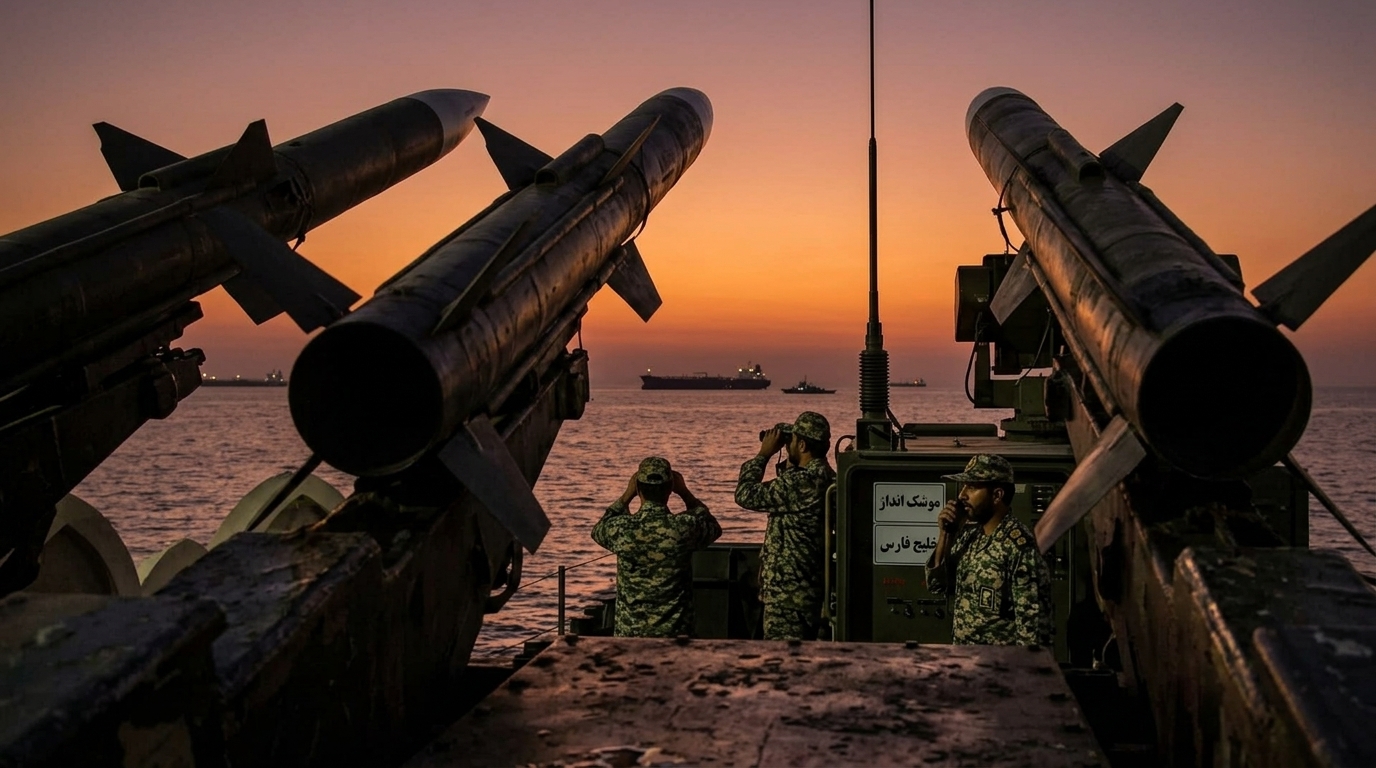
The geopolitical chessboard of the Middle East is trembling following the latest statements from the leadership of the Islamic Revolutionary Guard Corps (IRGC) Navy. In a direct challenge to Washington, Tehran has made it clear that any hostile action against Iranian tankers or commercial vessels will trigger immediate retaliation against U.S. naval forces and military bases in the wider region. This warning is not merely a rhetorical outburst but a strategic positioning during a period when the security of maritime routes is at an all-time low.
The Strategy of 'Asymmetric Deterrence'
Iran, recognizing the conventional superiority of the U.S. Navy, has invested for decades in asymmetric tactics. The Revolutionary Guards possess a fleet of fast attack craft equipped with missiles, kamikaze drones, and sophisticated naval mines. The threat against U.S. bases—such as the Navy's 5th Fleet in Bahrain or the Al Udeid Air Base in Qatar—highlights Tehran's ability to strike vital points of the American presence in the region. The logic is simple: if Iran cannot export its oil safely, then no one in the region should feel secure.
The current crisis is inextricably linked to the broader regional turmoil. Houthi attacks in the Red Sea, supported by Tehran, have already forced global shipping companies to reroute, increasing transportation costs. With this new warning, Iran is attempting to create a 'no-go zone' for any attempt to intercept its own trade, using the threat of an all-out conflict as leverage. The IRGC is essentially signaling that the cost of interfering with Iranian interests will be paid in American assets and personnel.
The Strait of Hormuz: The World's Energy Aorta
At the heart of this confrontation lies the Strait of Hormuz, through which approximately 20% of global oil consumption passes. Any disruption at this chokepoint could send shockwaves through the global economy. The Revolutionary Guards have proven in the past that they do not hesitate to seize ships or harass vessels, but targeting U.S. bases elevates the stakes to a different level. The international community is watching with bated breath, as a single miscalculation by either side could lead to a full-scale war that would drive energy prices to unprecedented heights.
Analysts point out that Tehran uses this rhetoric for both domestic consumption and to send a message to the U.S. administration ahead of upcoming geopolitical developments. The pressure exerted on Iran through sanctions remains suffocating, and the country's leadership seems willing to risk a controlled escalation to gain diplomatic ground. However, the line between 'controlled escalation' and 'uncontrolled conflict' is extremely thin, especially in a region already primed for explosion.
The American Response and Regional Allies
Washington, for its part, has bolstered its presence in the Persian Gulf, deploying additional destroyers and aircraft. The formation of international coalitions to protect navigation is an effort to demonstrate that freedom of the seas is a global good and not a subject for blackmail. Nevertheless, the threat against bases raises questions about the safety of U.S. personnel and infrastructure in countries that, while allies, do not wish to become the battlefield of a U.S.-Iran conflict.
- The increasing use of drones by the IRGC is changing the landscape of naval defense.
- Regional powers, such as Saudi Arabia, are maintaining a cautious stance, fearing strikes on their own infrastructure.
- China, as the largest buyer of Iranian oil, acts as a silent mediator, attempting to maintain the flow of energy while avoiding direct involvement.
In conclusion, the Revolutionary Guards' warning serves as a reminder of the fragile balance in the Persian Gulf. The sea, once a route for trade and culture, has been transformed into a minefield of geopolitical rivalries. Diplomacy appears to be at a stalemate, and as threats replace dialogue, the risk of an 'accidental' ignition remains the most likely scenario for the near future. The world must brace for a period of extreme volatility where the rules of engagement are being rewritten in real-time.