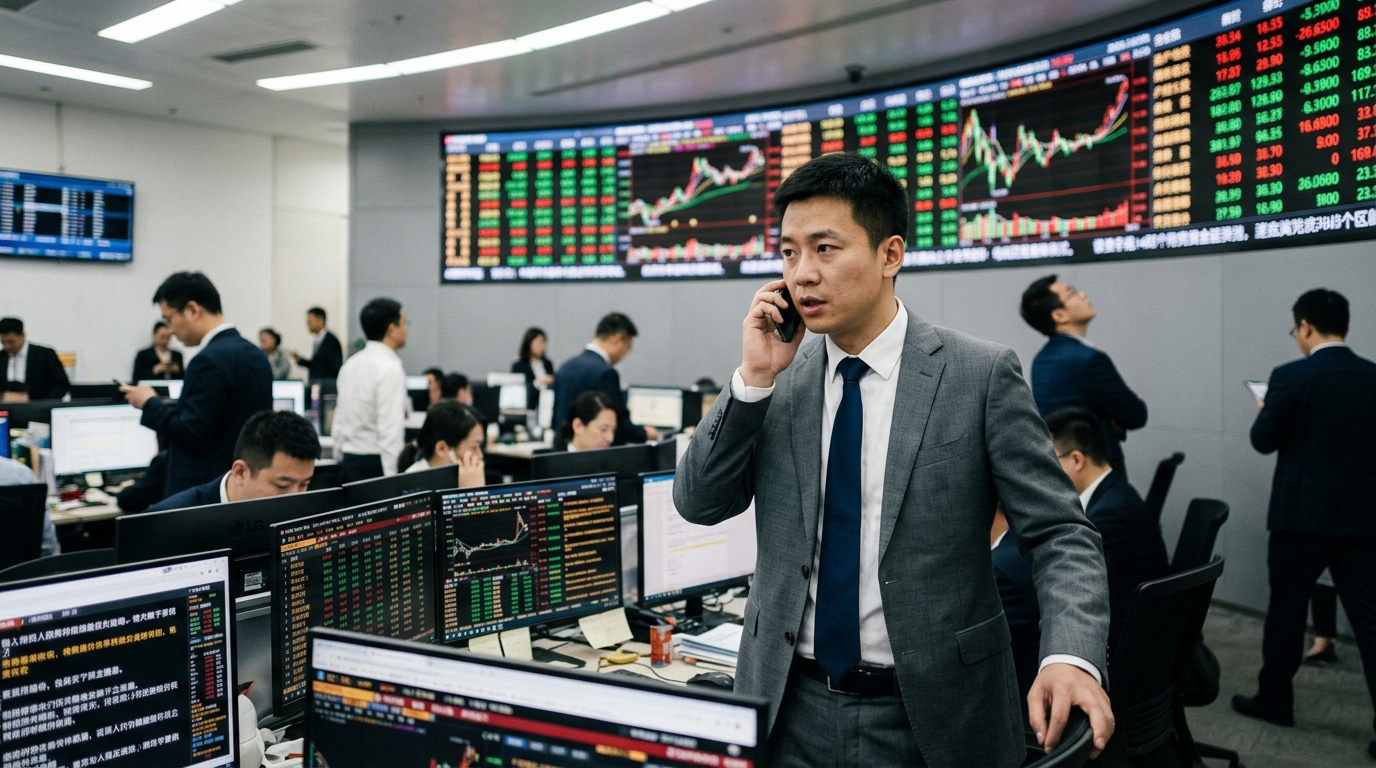
In a strategic maneuver poised to redraw the map of technological dominance in the East, MiniMax Group Inc., one of China’s most formidable AI startups, has officially filed preliminary paperwork for an Initial Public Offering (IPO). This move, occurring against a backdrop of heightened geopolitical tension and fierce technological rivalry, signals a pivotal transition for the Chinese AI industry: shifting from venture-backed experimentation to large-scale capital maturation.
The Strategy of the Domestic Choice
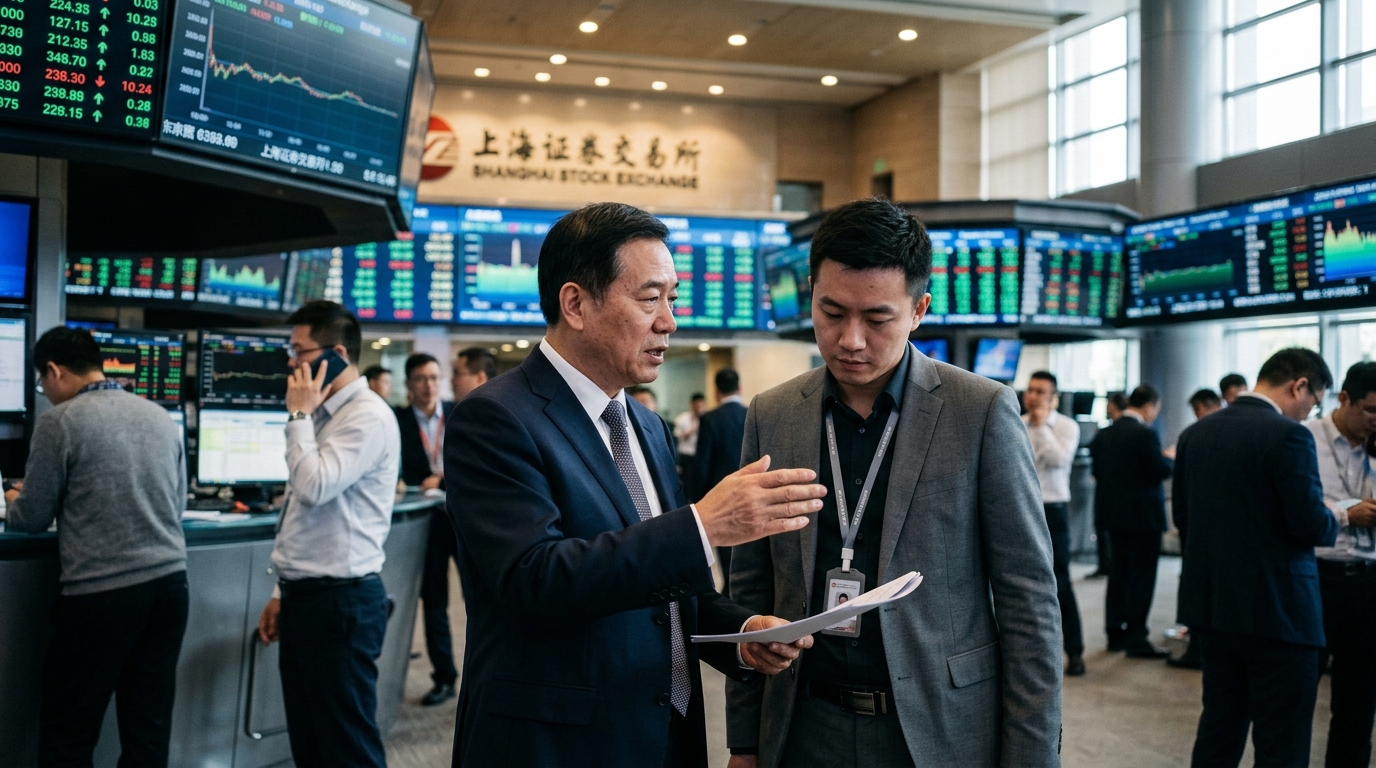
MiniMax’s decision to pursue a domestic listing, rather than seeking the global limelight of New York or the international liquidity of Hong Kong, is a calculated political and economic statement. In an era where Washington is tightening semiconductor export controls and Beijing is heightening data security oversight, staying within mainland borders offers a shield of regulatory alignment. Supported by heavyweights like Alibaba and Tencent, MiniMax is effectively courting a 'patriotic' investor base eager to witness a homegrown champion capable of rivaling OpenAI.
The company has carved out a unique niche with its social networking app 'Talkie' and its multimodal video generation tool 'Hailuo.' By blending entertainment with utility, MiniMax has avoided the trap of being a mere research lab. However, the insatiable demand for compute power and the relentless cycle of model training require the kind of sustained, massive capital injection that only public markets can reliably provide.
The DeepSeek Rivalry and Market Consolidation
The IPO news arrives as DeepSeek, another domestic powerhouse, has captured global attention with its hyper-efficient models and remarkably low training costs. MiniMax finds itself in an undeclared 'efficiency war' with DeepSeek, striving to prove that its models are not only powerful but commercially superior. The Chinese market is currently saturated with Large Language Models (LLMs), often referred to as the 'War of a Hundred Models.' An IPO would provide MiniMax with the necessary 'war chest' to survive the inevitable consolidation phase facing the sector.
- Scaling computational infrastructure using domestic hardware alternatives.
- Expanding B2B subscription services to ensure recurring revenue.
- Recruiting top-tier talent from the global Chinese diaspora.
Analysts suggest that MiniMax holds a distinct advantage in its nuanced understanding of Chinese cultural and linguistic subtleties. This allows for more 'human-centric' interactions within its apps—a critical differentiator in a market where AI is not just about code, but about social integration under the watchful eye of state regulators.
Economic Hurdles and Geopolitical Realities
Despite the prevailing optimism, the path to the trading floor is fraught with complexity. The Chinese economy is navigating a period of structural adjustment, and investor confidence in the tech sector has been tempered by years of regulatory crackdowns. Furthermore, the reliance on high-end Nvidia GPUs remains a significant vulnerability. US sanctions continue to restrict access to cutting-edge silicon, forcing MiniMax to demonstrate that it can innovate using domestic alternatives like Huawei’s Ascend chips or Biren Technology’s solutions.
"MiniMax isn't just asking for capital; it is seeking a mandate from the system to lead the next digital revolution in Asia," notes a senior financial analyst based in Shanghai.
In conclusion, the MiniMax IPO serves as a litmus test for the entire Chinese AI ecosystem. A successful listing would pave the way for other 'AI Tigers' to tap into public markets, creating a robust financial counterweight to Silicon Valley’s dominance. Conversely, a lukewarm reception could deepen fears that Chinese AI remains trapped between the hammer of domestic regulation and the anvil of international tech blockades.