At a time when the global economy is desperately seeking solid ground amidst geopolitical tensions and monetary challenges, CNBC's Jim Cramer has returned with a resounding prediction. According to the 'Mad Money' host, the Artificial Intelligence (AI) boom is not merely a passing technological fad, but the catalyst that will keep the U.S. economy — and by extension, the global one — humming for years to come.
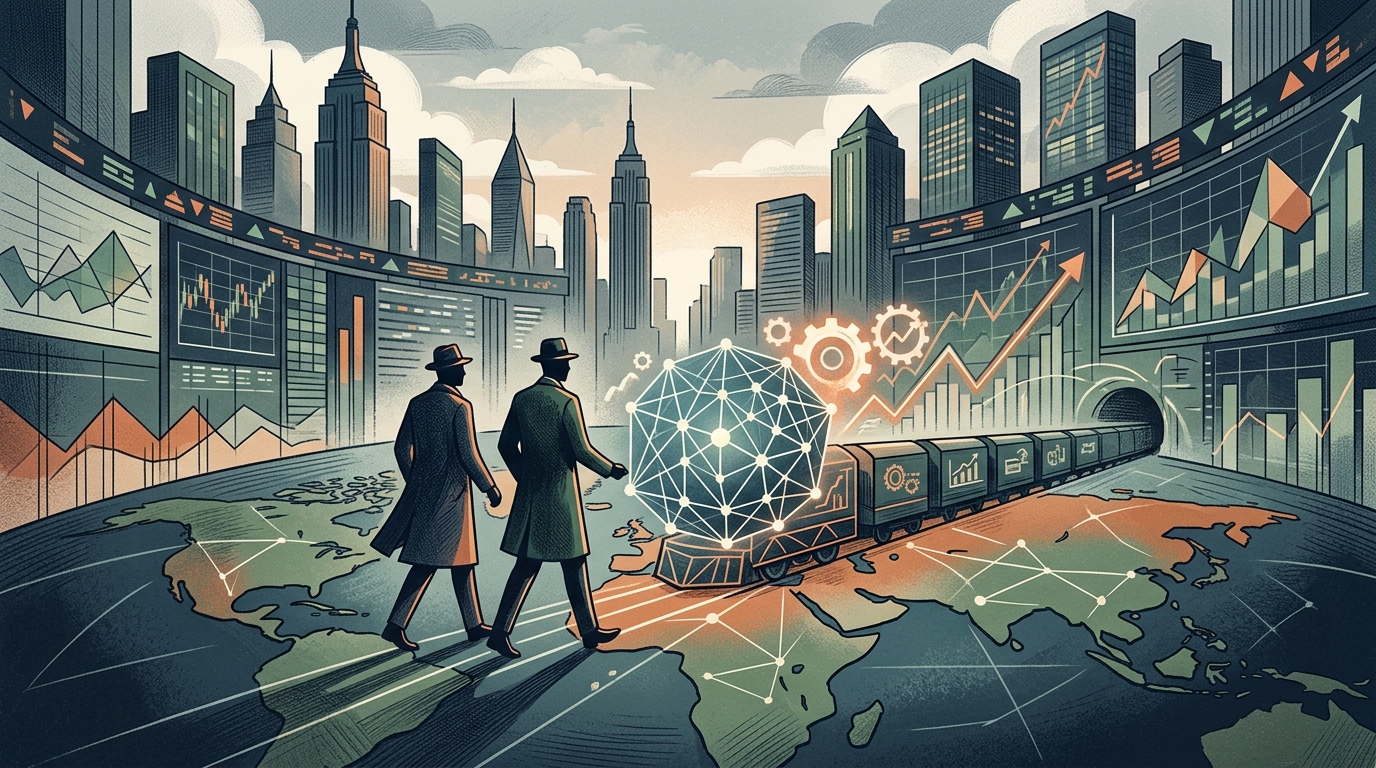
Cramer's analysis is rooted in the belief that AI acts as a 'force multiplier' for productivity. As we move through 2026, the promises made in 2023 and 2024 regarding generative AI have begun to manifest as tangible economic results. From supply chain automation to accelerating drug discovery, AI is permeating every facet of business, driving down costs and expanding profit margins.
Productivity as an Antidote to Stagflation
One of Cramer's primary arguments is that AI offers a way out of the inflation dilemma. When businesses can produce more with fewer resources — thanks to intelligent automation — inflationary pressures weaken without necessarily requiring a painful recession. "We are seeing a structural shift in how value is produced," Cramer noted during his recent broadcast.
According to recent data, companies that have fully integrated AI solutions into their operations report a 25-30% increase in employee efficiency. This productivity surplus allows central banks to maintain a more balanced stance on interest rates, as growth is no longer fueled solely by consumption, but by technological upgrades.
- Operational Cost Reduction: AI usage in logistics minimizes transportation and warehousing expenses.
- R&D Acceleration: The time required to develop new products has been drastically reduced.
- Personalization at Scale: Businesses can reach consumers with unprecedented precision, increasing conversion rates.
The Infrastructure Cycle: The New 'New Deal'
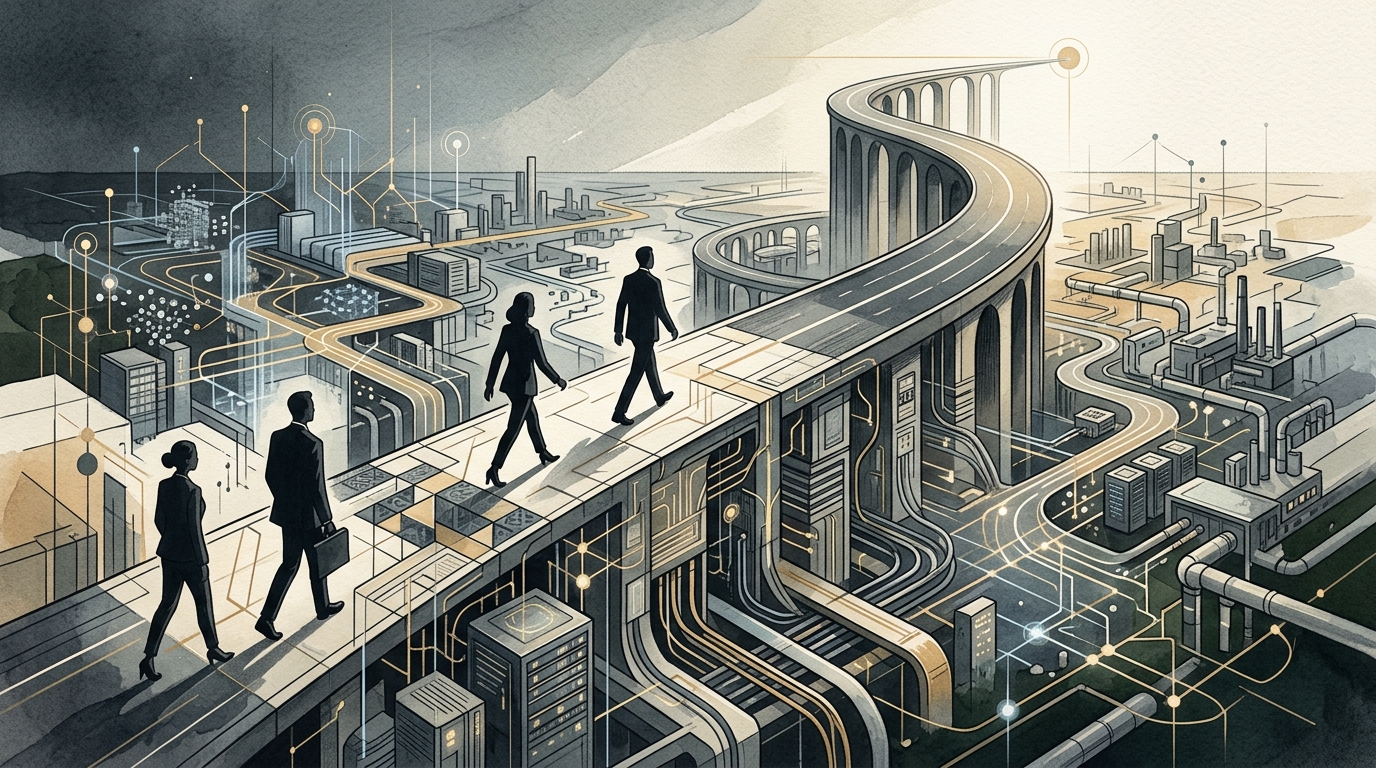
Cramer also highlights the significance of massive infrastructure investments. The construction of data centers, the purchase of advanced semiconductors from giants like Nvidia, and the upgrading of energy grids to support increased demand are creating secondary economic activity reminiscent of past great periods of industrial expansion.
"It's not just about software. It's about cement, steel, cables, and massive amounts of power. AI is building the physical world around us the same way it builds the digital one," Cramer argues.
This capital expenditure (CapEx) serves as a safety net for the economy. Even if consumer confidence momentarily falters, the investments made by Big Tech companies are so vast and long-term that they ensure a steady flow of capital into the market.
Global Implications and the Skeptics' View
For the broader global economy, Cramer's analysis presents a vision of a tech-led recovery. However, critics often point to the "Inverse Cramer" phenomenon, suggesting that his extreme optimism might be a signal of a market peak. Furthermore, the concentration of power in a handful of tech behemoths raises questions about the equitable distribution of these AI-driven gains.
The year 2026 marks a turning point where the 'hype' has to meet the 'reality' of the balance sheet. While Cramer sees a perpetual engine of growth, others worry about the energy costs and the environmental impact of maintaining such a massive digital infrastructure. The transition to an AI-driven economy is not without its friction, particularly regarding labor displacement in traditional sectors.
In conclusion, if Cramer's thesis holds, AI is not the next dot-com bubble, but the fundamental infrastructure of the modern era. It is an infrastructure that, despite the skepticism, appears capable of keeping the global economy in motion even when its traditional engines begin to sputter. The challenge remains for policy-makers to ensure this 'humming' economy doesn't leave the average worker behind.