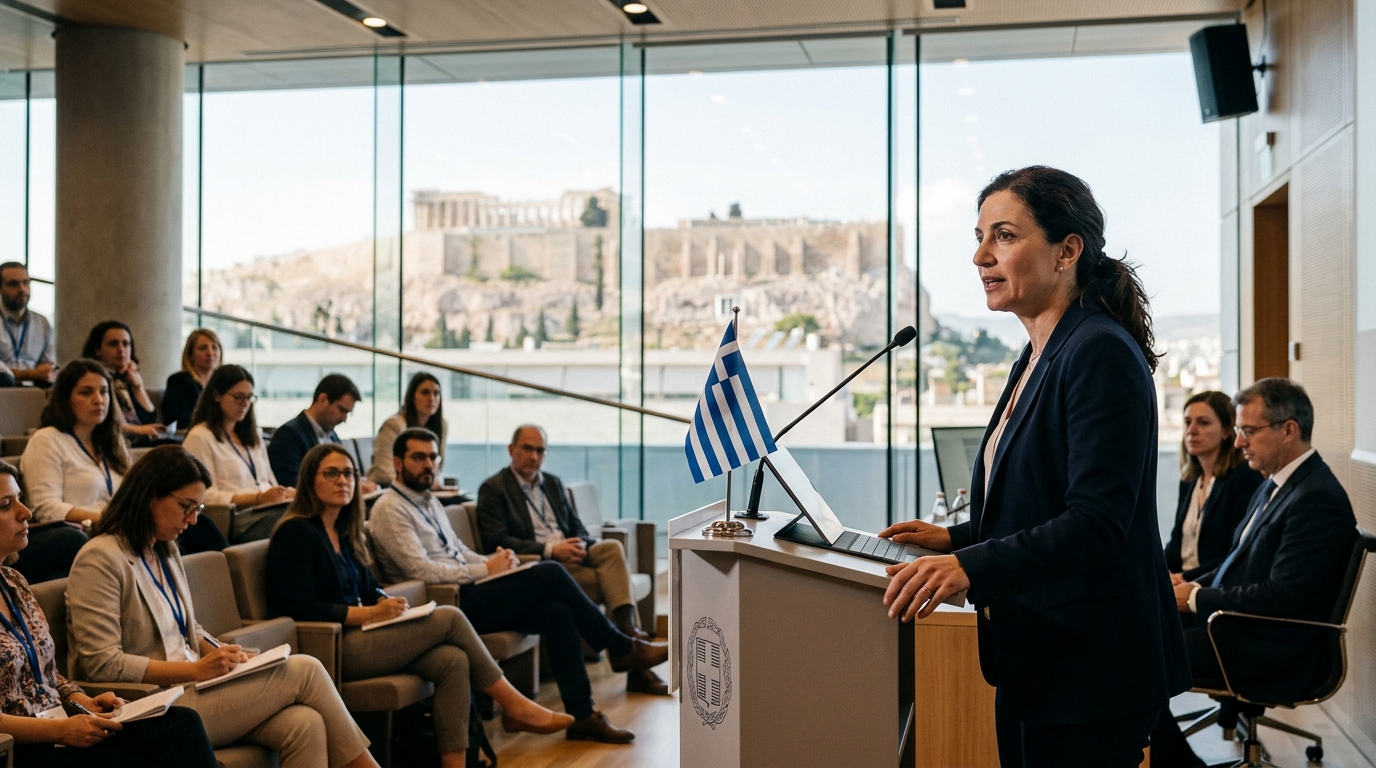
The Greek economy stands at a critical juncture, attempting to break free from its long-standing reliance on services and tourism. The Development Law, traditionally the most potent tool for economic policy in Greece, is entering a new phase with the announcement of three incentive schemes totaling €450 million. With the application deadline set for June 30, the business community is called to respond to a summons that is not merely about fund absorption, but about the structural modernization of production.
The stakes are clear: boosting domestic value-added and narrowing the trade deficit. The three new schemes—'Manufacturing - Supply Chain,' 'Large Investments,' and 'Support for Special Areas'—are the primary vehicles for this strategy. However, their success will be judged not only by the volume of applications but by the speed of disbursement and the ability of businesses to execute projects that can withstand time and international competition.
The Three Pillars of Growth
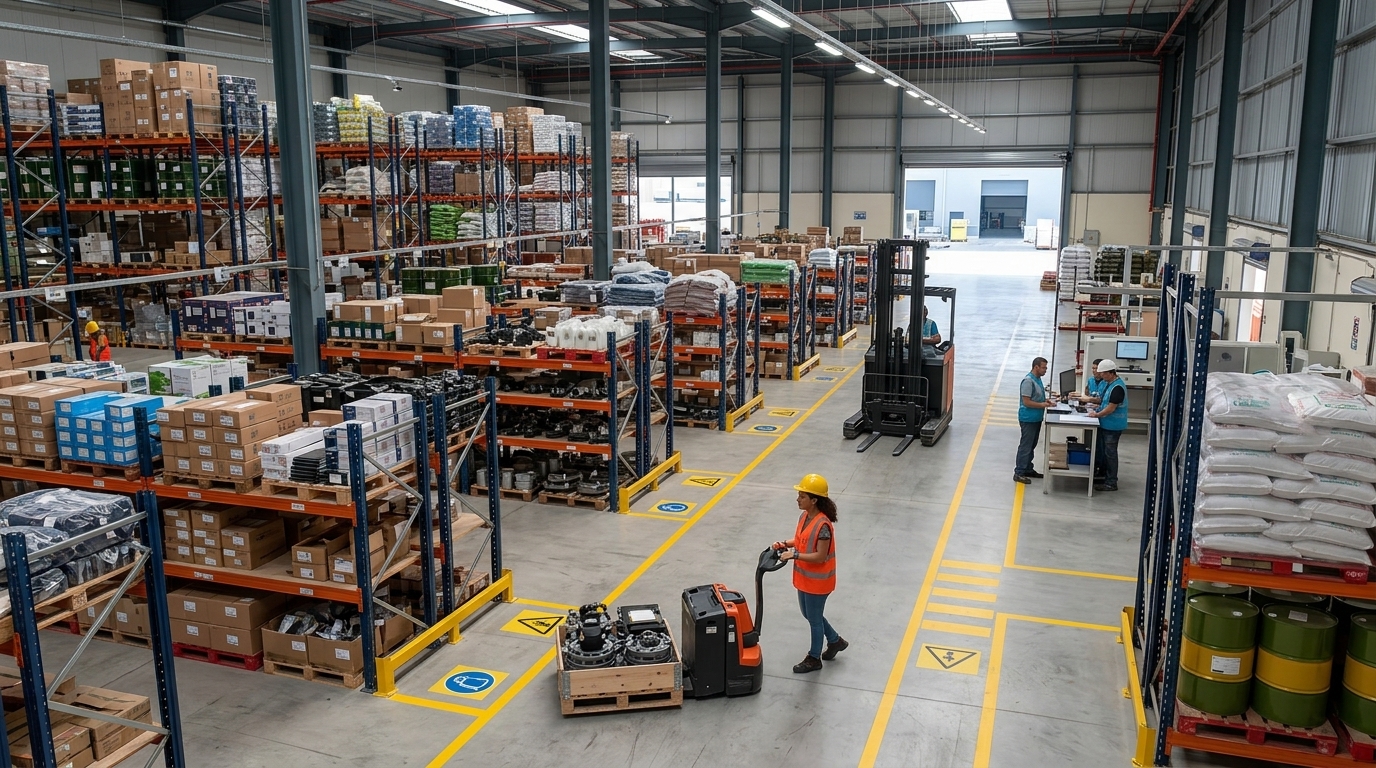
The 'Manufacturing - Supply Chain' scheme is the spearhead of this effort. With a budget of €150 million, it aims at the technological upgrading of industrial units and the improvement of logistics. In an era where global supply chains are being restructured (near-shoring), Greece seeks to establish itself as a regional hub. Supported investments include the purchase of modern equipment, the digitalization of production processes, and the adoption of automation systems.
The second scheme, 'Large Investments,' concerns projects with a budget exceeding €15 million. Here, the state seeks to attract flagship projects that will create hundreds of jobs and bring in foreign expertise. This is a sector where competition among EU member states is fierce, as tax exemptions and subsidies are decisive factors in a multinational's final choice of location.
Finally, the scheme for 'Special Support Areas' focuses on regional convergence. Particular emphasis is placed on Just Transition zones (Western Macedonia, Megalopolis), which are affected by the phase-out of lignite. The challenge here is as social as it is economic: how to replace jobs in heavy energy industries with new, sustainable activities in agri-food, tourism, or light manufacturing.
Incentives and Financing Tools
The Development Law offers more than just 'cash on the table.' Incentives include tax exemptions, leasing subsidies, subsidies for the cost of created employment, and, in some cases, direct grants. Choosing the right mix of incentives is a complex exercise for corporate CFOs. Tax exemptions, for instance, are highly attractive for profitable companies looking to reinvest their earnings, while grants are vital for small and medium-sized enterprises (SMEs) with limited liquidity.
However, access to bank lending remains the 'thorn' in the side of development. Despite the backing of the law, banks require high equity ratios and strict guarantees. This creates a risk of excluding smaller players who, despite having innovative ideas, lack the capital base to support the 50% or 60% of the investment not covered by the incentive.
Bureaucracy and the Implementation Bet
Historically, the Development Law in Greece has suffered from two main ailments: massive delays in evaluation and even longer waits for disbursements. It was not uncommon for a company to receive a subsidy five or six years after the investment was completed, by which time the equipment was often obsolete. The government promises that with the digitalization of procedures via the Information System for Development Laws (PS-AN) and the involvement of certified auditors in project certification, these timelines will be drastically reduced.
Furthermore, June 30 is not just a date on a calendar. It is the milestone for next year's planning. Businesses that manage to submit robust files will have a first-mover advantage in a market that is recovering but remains vulnerable to international inflationary pressures and energy costs. The success of this cycle will reflect the Greek public administration's ability to act as an accelerator rather than a brake on entrepreneurship.
"Growth is not a static process of resource allocation, but a dynamic effort to change a country's productive DNA," state Ministry of Development officials.
In conclusion, the €450 million of the current cycle is a significant liquidity injection, but its true value will be seen in exports, new jobs, and the resilience of the Greek provinces. Time is pressing, and June 30 is fast approaching.