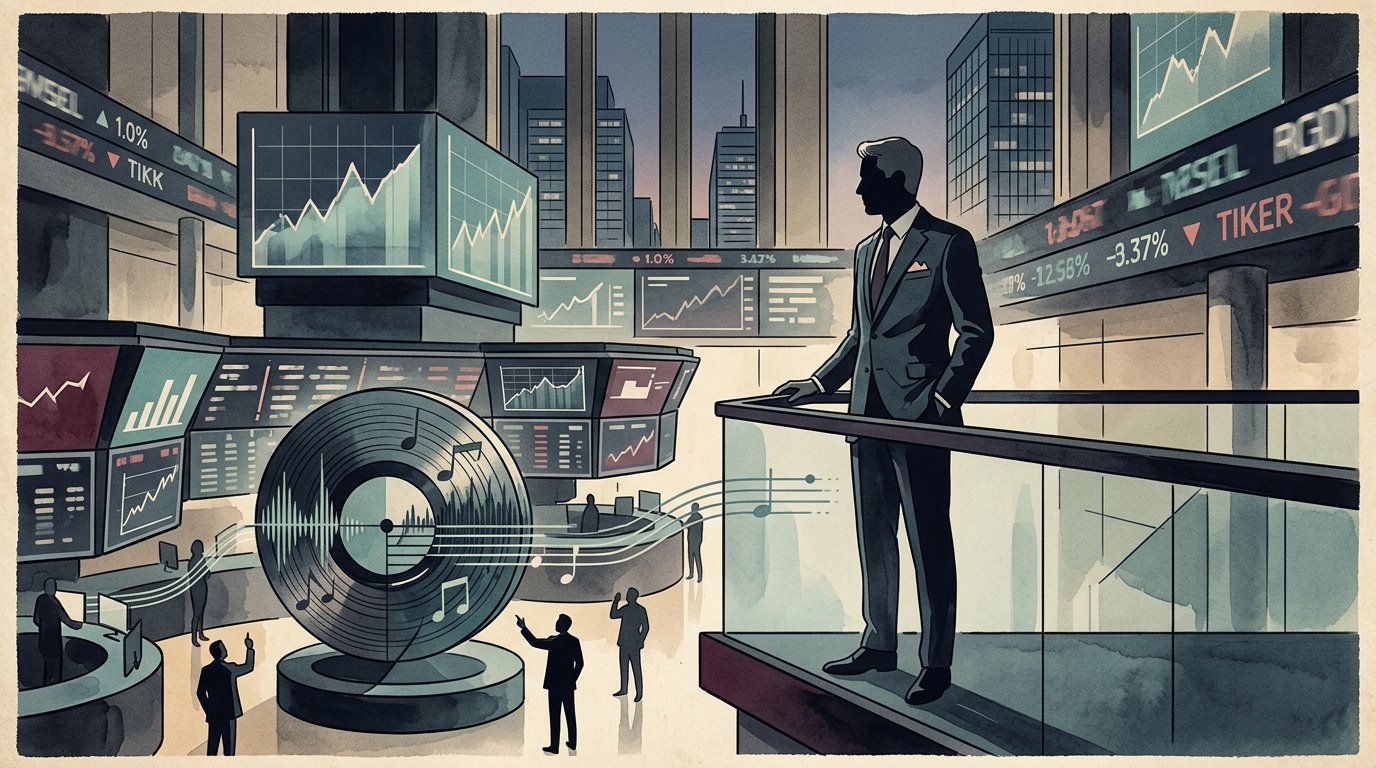
The labor market of 2026 is unrecognizable compared to the beginning of the decade. The promise of Artificial Intelligence (AI) for increased productivity has begun to translate into a painful reality for millions of workers: a structural shift where hiring is slowing down, performance requirements are skyrocketing, and layoffs are no longer just about cutting costs, but about replacing "low-performers" with AI-augmented talent.
According to a recent analysis by Fortune Greece, global corporations—including those in the Greek market—are undergoing a phase of "selective purging." This is no longer a horizontal reduction in force due to an economic recession, but a strategic replacement cycle. Companies are choosing to let go of employees who perform repetitive or low-value tasks, while simultaneously investing in fewer, more specialized professionals who can command advanced AI tools.
The Vanishing Entry-Level Role
One of the most concerning trends is the gradual elimination of entry-level positions. Traditionally, young graduates learned the ropes by performing fundamental tasks—drafting reports, basic coding, or market research. Today, these tasks are executed in seconds by models like GPT-5 and its successors. The result is a formidable "barrier to entry" that makes starting a career exceptionally difficult for the younger generation.
Employers no longer have the patience or the financial incentive to train junior staff when AI can produce the same output at near-zero cost and with minimal errors. This creates a dangerous gap in knowledge transfer: if there are no juniors today, who will be the seniors of tomorrow? The market's answer is harsh: tomorrow's leaders will be those who were born "AI-native," meaning they can orchestrate technology rather than compete against it.
The "Super-Employee" and the Performance Squeeze
AI has raised the bar for expected performance to levels that push the boundaries of human endurance. An employee who properly utilizes generative AI tools can produce work that previously required an entire team. This leads corporate leadership to demand "more with less." Today's layoffs often target individuals who, while productive by old standards, are now seen as "liabilities" because they cannot keep up with the pace of automation.
- Routine Automation: 40% of administrative tasks have already been fully automated.
- Upskilling Mandate: Proficiency in prompt engineering and AI orchestration is now a prerequisite, not a bonus.
- Qualitative Shift: The focus has shifted to critical thinking and decision-making, as execution is now commoditized.
"We are not in an unemployment crisis, but in a relevance crisis. The question is not whether there is work, but whether the work you know how to do still holds value for the market," says a senior executive from a leading tech group.
The Economic Impact: Corporate Darwinism
From a macroeconomic perspective, we are witnessing a form of Corporate Darwinism. Companies that fail to integrate AI into their workforce structure are losing their competitive edge, while those that do are seeing record-breaking profit margins with significantly smaller headcounts. This "jobless growth" is a phenomenon that economists have feared for years, and it is now manifesting in real-time.
In Greece, where the economy relies heavily on Small and Medium Enterprises (SMEs), the challenge is twofold. SMEs must adopt AI to survive against global giants, but they often lack the capital to attract the high-tier talent capable of managing these systems. This creates a widening productivity gap between the digital elite and the traditional sectors of the economy.
Conclusion: Adaptation as the Only Path
The era of "stable" jobs has passed. AI is remapping the employment landscape at a speed that legislation and education systems are struggling to match. The reduction in hiring and the increase in targeted layoffs are the preamble to a new economic order, where a worker's value is measured by their ability to augment their output through the machine. Survival in the future labor market requires continuous learning, agility, and, above all, the acceptance that technology is now our permanent collaborator—or our replacement.