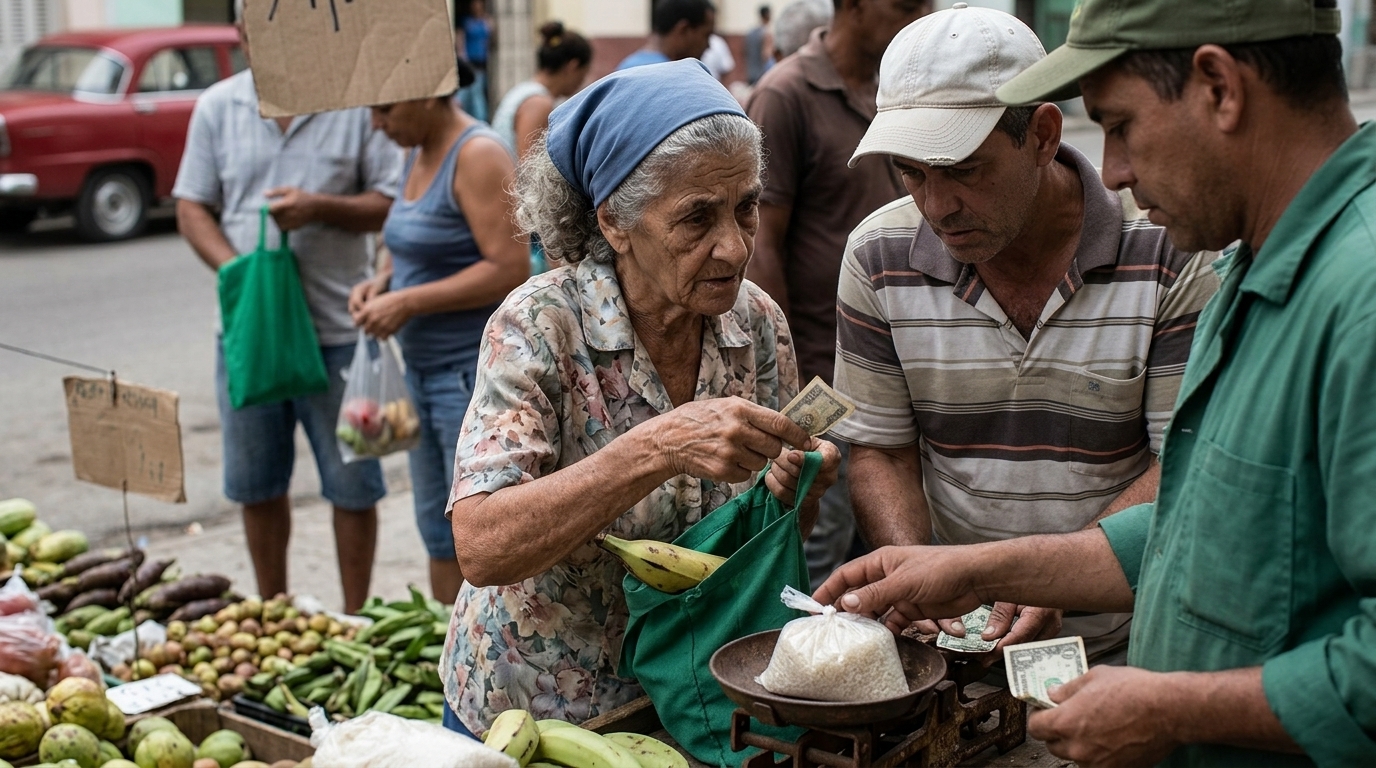
The scenes in Havana’s neighborhoods are now both stereotypical and heartbreaking: endless queues under the scorching sun, faces etched with anxiety, and shelves that gape empty. Cuba, once the bastion of socialist resilience in the Caribbean, is currently experiencing its worst economic crisis in thirty years—a crisis that many analysts consider deeper even than the infamous "Special Period" of the 1990s. The central symbol of this collapse is none other than the "libreta"—the ration book that for decades guaranteed basic staples for every citizen.
Today, this book has become an empty shell. Essential items, from rice and beans to soap and milk, either arrive with massive delays or never arrive at all. "No Cuban can truly survive on the products from the ration book anymore," residents in Havana report. The scarcity is universal, affecting even daily bread, the production of which has been drastically reduced due to flour shortages and the constant power outages paralyzing the country’s bakeries.
The Dollar’s Invasion and a Divided Society
As the state distribution system crumbles, the country’s economy has been driven into an informal but violent "dollarization." Basic goods are increasingly sold in U.S. dollars through state-run MLC (Moneda Libremente Convertible) stores or on the black market. This creates a two-tier society: on one side, those with access to hard currency—usually through remittances from relatives abroad—and on the other, the majority of workers and retirees who are paid in devalued Cuban pesos.
The peso's exchange rate against the dollar in the unofficial market has plummeted to levels that make the minimum wage insufficient even to buy a carton of eggs. The government of Miguel Díaz-Canel has attempted to implement monetary reforms, but the results have been the opposite of those intended, fueling inflation that is galloping out of control. Dependence on the dollar, the currency of the "enemy" according to official rhetoric, represents the bitterest irony for the Cuban leadership.
Decaying Infrastructure and the Great Exodus
Economic hardship is not limited to store shelves. Cuba's energy grid is on the verge of total collapse, with daily scheduled blackouts lasting 12 or even 18 hours in some provinces. Without electricity, food spoils, businesses close, and social anger flares. Fuel shortages have paralyzed transportation and agricultural production, creating a vicious cycle of scarcity.
The result of this multi-layered crisis is a wave of migration unprecedented in the island's history. Hundreds of thousands of Cubans, mostly young and skilled workers, are fleeing the country in search of a future in the United States or Europe. This "brain drain" undermines any effort for future recovery, leaving behind an aging population dependent on a state that can no longer care for them.
Political Rigidity and the International Context
While Havana blames all woes on the U.S. embargo, international analysts point out that internal structural weaknesses and the refusal of meaningful economic opening are equally responsible. Bureaucratic rigidity and the fear of losing political control hinder the development of the private sector, which could provide relief to the market. Despite small concessions for the creation of small and medium-sized enterprises (SMEs), the tax and regulatory framework remains hostile.
Cuba stands at a critical crossroads. With its traditional allies, such as Russia and Venezuela, facing their own problems, the support the island receives is limited. The need for radical change is now a matter of survival, as social cohesion is tested to its limits and the "social contract" of the Revolution seems to have permanently expired for the younger generations.