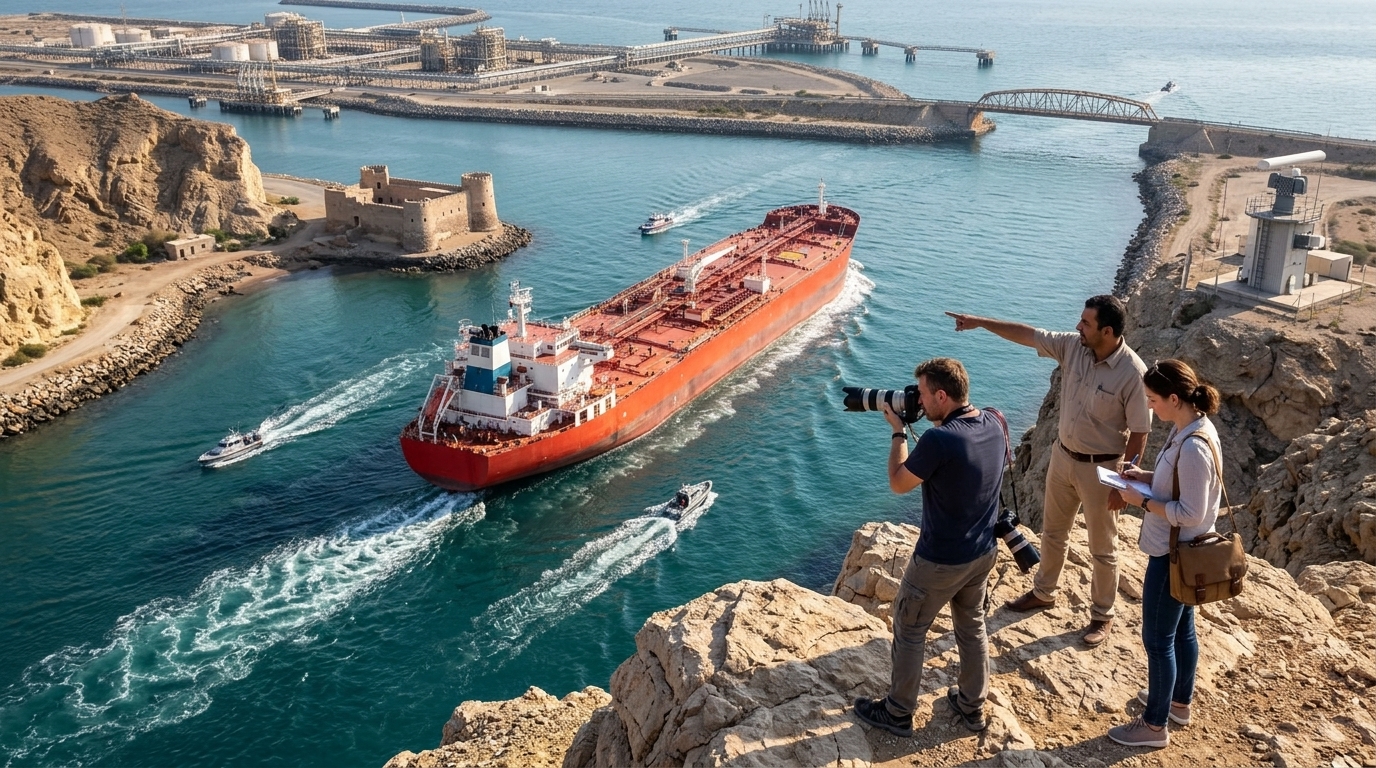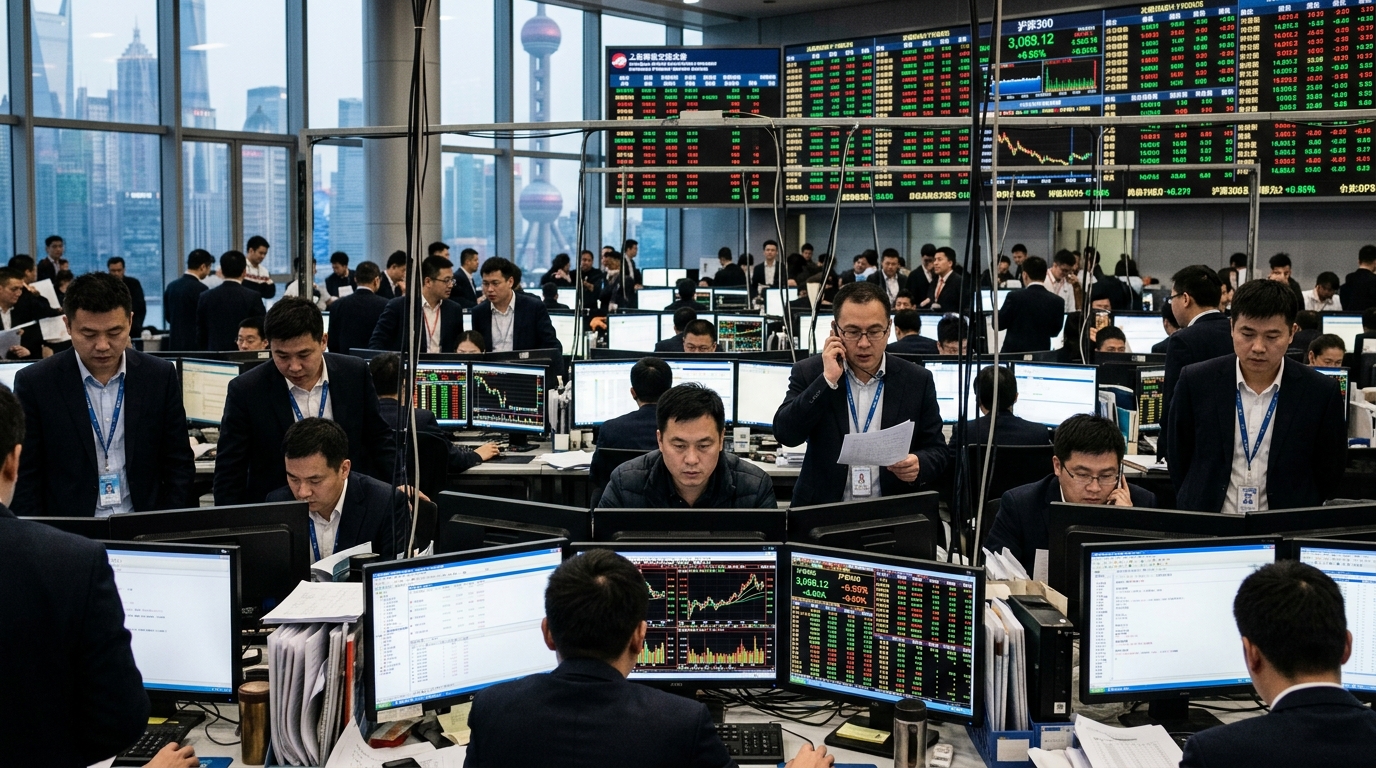
In May 2026, the global economic landscape presents a profound paradox. While the conflict in Iran has severely disrupted traditional shipping lanes and sent maritime insurance premiums soaring, China has reported export figures that have shattered analyst expectations. This rebound is not driven by traditional consumer goods, but by a structural shift in global demand toward Artificial Intelligence (AI) infrastructure, where Beijing has successfully positioned itself as the indispensable purveyor of 'digital gold.'
AI as a Trade Lifeline
Analysis of recent trade data reveals that the primary engine of this growth is the explosive demand for data center hardware, high-efficiency cooling systems, and specialized semiconductors that, despite US-led restrictions, continue to permeate international markets through sophisticated distribution networks. China is no longer just exporting cheap plastics; it is exporting the backbone of the Fourth Industrial Revolution. Global AI investment has reached record highs as corporations scramble to integrate generative models into their operations, and the Chinese supply chain is proving to be the only one capable of meeting this staggering volume of production.
According to data from the General Administration of Customs, exports rose by 8.2% year-on-year in April, a significant acceleration compared to the previous quarter. This surge occurs despite the Strait of Hormuz remaining under a high-risk status, forcing many vessels to take the longer, more expensive route around the Cape of Good Hope.
Geopolitical Resilience and New Corridors
China’s ability to bypass geopolitical crises is no accident. Over the past several years, Beijing has funneled billions into 'Belt and Road 2.0,' emphasizing overland rail connections through Central Asia to Europe. These routes, while less efficient in volume than maritime shipping, serve as critical safety valves when the seas become theaters of conflict.
Furthermore, China’s strategic pivot toward the Global South is yielding significant dividends. While Western markets pursue 'de-risking' policies, emerging economies in Southeast Asia, Latin America, and Africa are absorbing an increasing share of Chinese exports. These nations are not merely purchasing products; they are adopting the Chinese technological ecosystem, from 5G/6G networks to AI-powered smart city platforms.
"The resilience of Chinese trade during times of war highlights the failure of total decoupling efforts. The world requires Chinese manufacturing to build the future of AI, and this reality transcends geopolitical convenience," notes a Shanghai-based international trade analyst.
Future Challenges
Despite the current euphoria, China remains vulnerable on two fronts: rising energy costs due to the war in Iran and the threat of new, more stringent tariffs from the US and the EU. The European Commission is already considering additional measures against Chinese subsidies in green tech and semiconductors, fearing that Chinese overcapacity will stifle European industry.
However, the momentum of AI appears to be acting as a shield. As the demand for computational power grows exponentially, governments find themselves in a precarious position: whether to impose sanctions to protect domestic manufacturing or to permit the import of Chinese hardware to avoid falling behind in the race for technological supremacy. For now, the necessity for technological advancement seems to be winning the battle against protectionism.
Conclusion
The rebound of Chinese exports in 2026 serves as a potent reminder of the complexity of modern globalization. In a world torn by regional wars and trade blockades, technological necessity carves new paths. China, having strategically positioned itself at the heart of the AI supply chain, is demonstrating that 21st-century economic ties are far deeper and more resilient than geopolitical strategists might wish to believe.