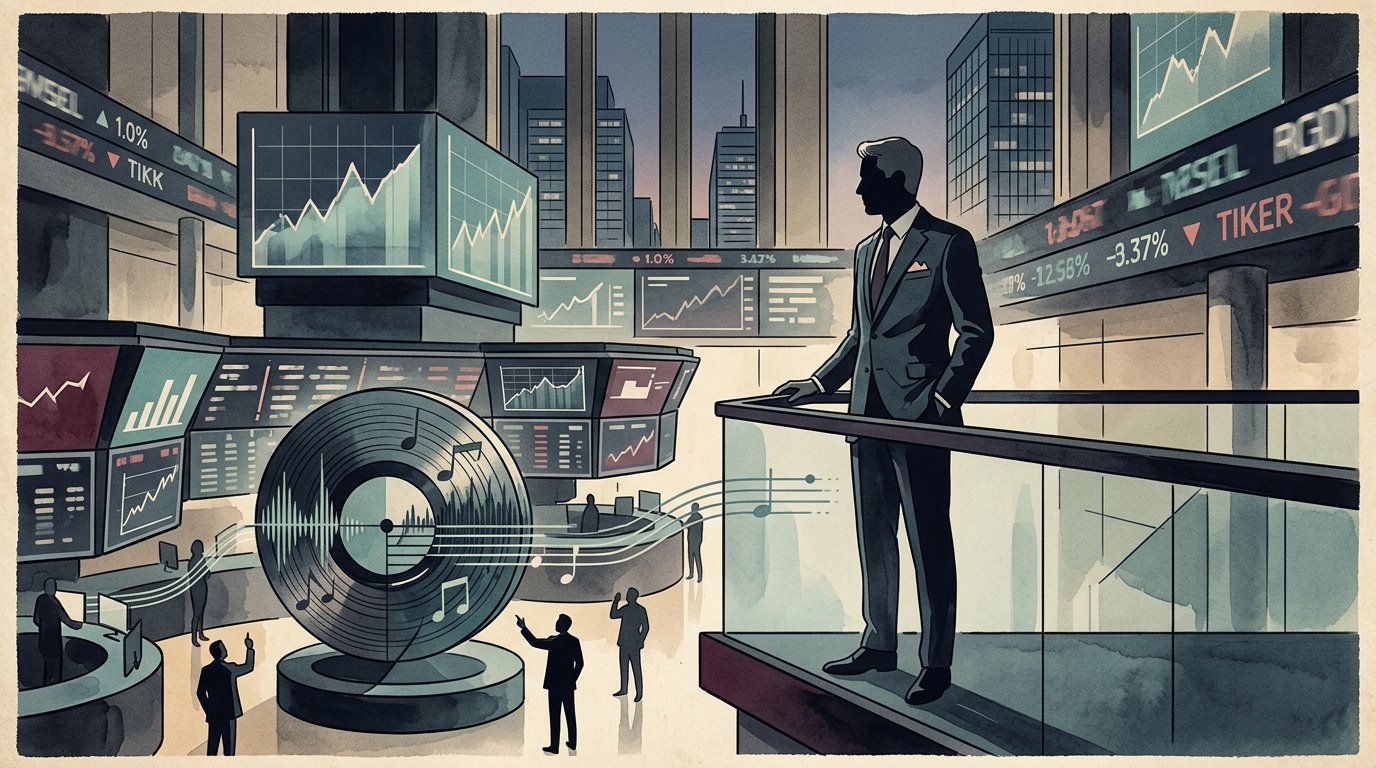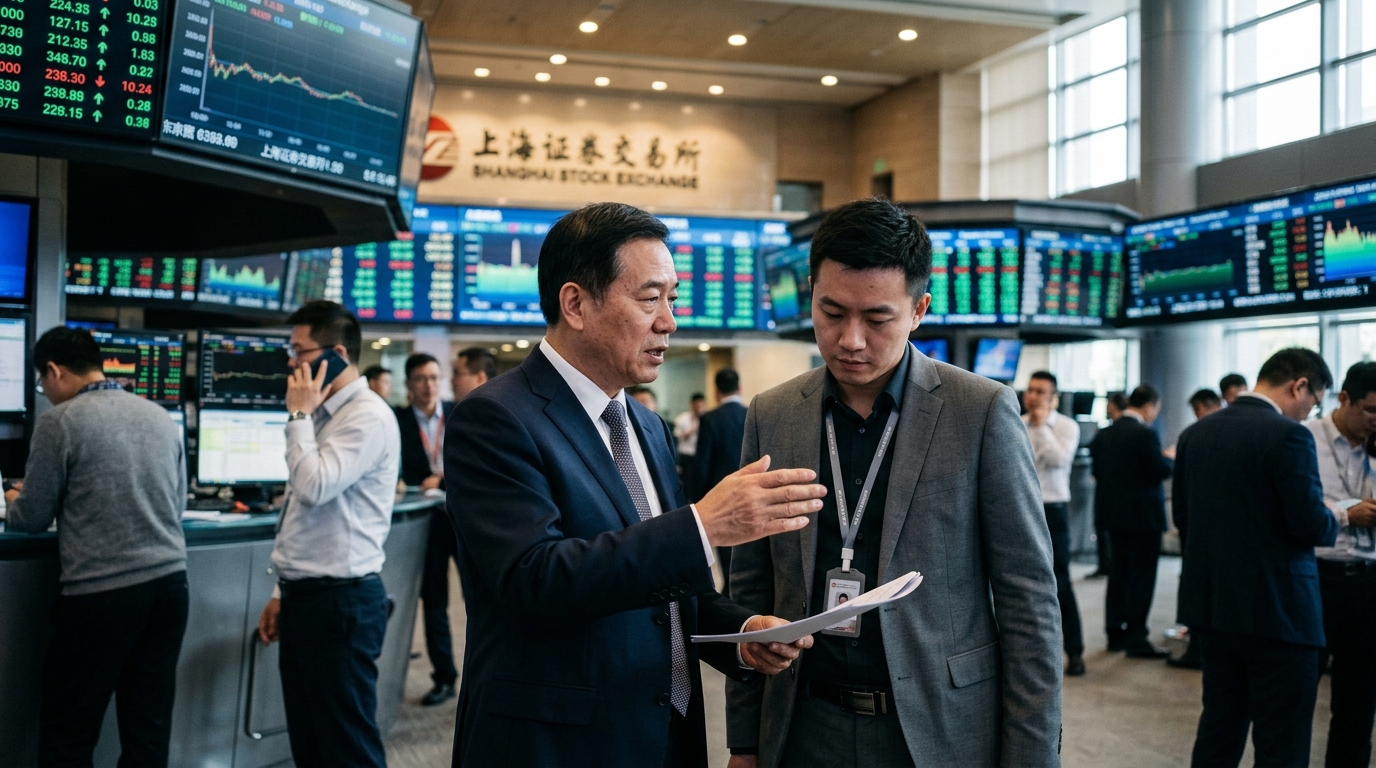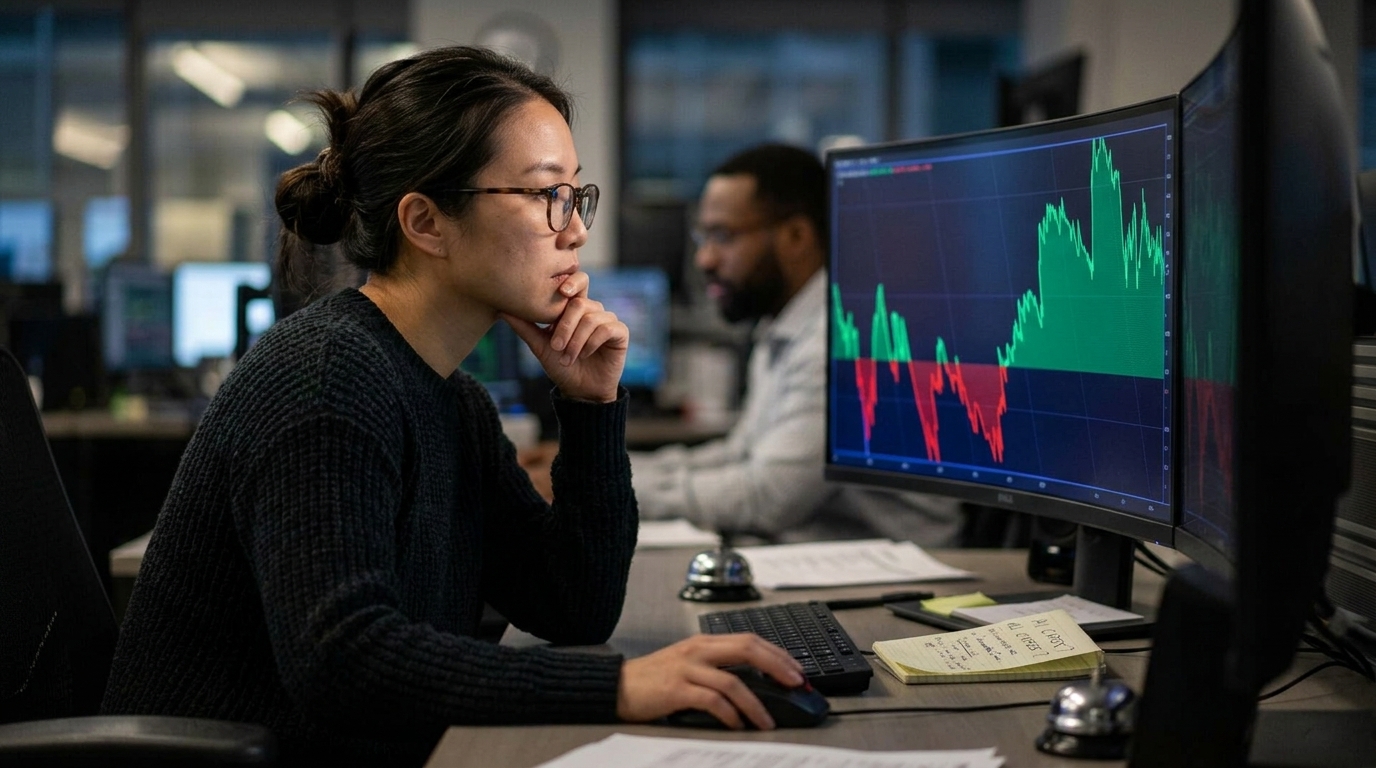
The history of financial markets is often a cyclical narrative oscillating between the fear of missing out (FOMO) and the terror of a crash. Today, as we navigate the first half of 2026, the global economic community finds itself divided over a question that dictates billions of dollars in investments: Is the surge in Artificial Intelligence (AI) stocks an unsustainable bubble, akin to the dot-com era of 2000, or the foundation of a new 'Golden Age' destined to reshape global productivity?
Comparisons to the turn of the millennium are inevitable. Back then, Cisco Systems was hailed as the 'backbone' of the internet, its market capitalization soaring to dizzying heights before an ultimate collapse. Today, NVIDIA and semiconductor manufacturers occupy that same central role. However, analysts point to a critical distinction: while 1999’s startups often lacked actual revenue, today’s AI giants exhibit unprecedented profitability and cash flows, complicating the 'bubble' thesis.
Echoes of the Dot-com Era: Why This Time Might Be Different
To understand the present, we must examine the past. The 2000 bubble didn't burst because the internet was a failure—the internet did indeed change the world. It burst because valuations had completely decoupled from economic reality. Investors were buying 'hope' in the form of domain names. In the case of AI, the situation is markedly different. The demand for compute power comes from the wealthiest organizations on the planet—Microsoft, Google, Amazon, and Meta.
These companies are not merely investing in a promise; they are building the infrastructure for the next phase of capitalism. Capital expenditure (Capex) on data centers and AI chips has surpassed all historical precedents. Yet, the question remains: when will we see the return on investment (ROI) in end-user applications? If enterprise productivity does not scale in proportion to the cost of the technology, the risk of a violent market correction remains palpable.
The Capex Conundrum: Can the Returns Justify the Spend?
Unlike the 'ghost companies' of 2000, today’s tech leaders possess robust balance sheets. NVIDIA, for instance, has successfully translated its semiconductor dominance into a cash-generating machine. However, the market’s concentration in a few 'chosen ones' is cause for concern. When the fate of the S&P 500 rests on five or six companies, the system's fragility increases.
Furthermore, AI is entering what Gartner calls the 'trough of disillusionment.' Businesses are realizing that integrating AI is not a simple 'plug-and-play' process; it requires deep organizational changes, staff retraining, and navigating ethical and legal hurdles. If adoption rates slow down, high price-to-earnings (P/E) ratios will become unsustainable for shareholders who have priced in perfection for the next decade.
Strategic Sovereignty: The Geopolitics of Silicon
One cannot discuss the AI economy without addressing geopolitics. Chips are the 'new oil.' The US-China rivalry for semiconductor supremacy adds a layer of complexity absent in 2000. The strategic importance of Taiwan and TSMC makes the tech market vulnerable to exogenous shocks. A geopolitical crisis could pop the 'bubble' not due to a lack of demand, but because of a total supply chain breakdown.
At the same time, Europe is struggling to balance regulation (via the AI Act) with the necessity for innovation. The lack of European 'champions' in AI infrastructure means the continent remains a net importer of technology, dependent on the whims of Wall Street. This imbalance poses risks to global economic stability, as the excessive concentration of power and wealth in Silicon Valley continues unabated.
Conclusion: A Managed Transition or a Sudden Pop?
Is it a bubble? Perhaps in terms of short-term valuations. But in terms of technological transformation, AI is a reality that is here to stay. The difference between disaster and success will be determined by the ability of corporations to turn Large Language Models into tools that generate real economic value, beyond the hype of stock market tickers. The 'Golden Age' requires time, patience, and, most importantly, a connection between technology and the actual needs of humanity.