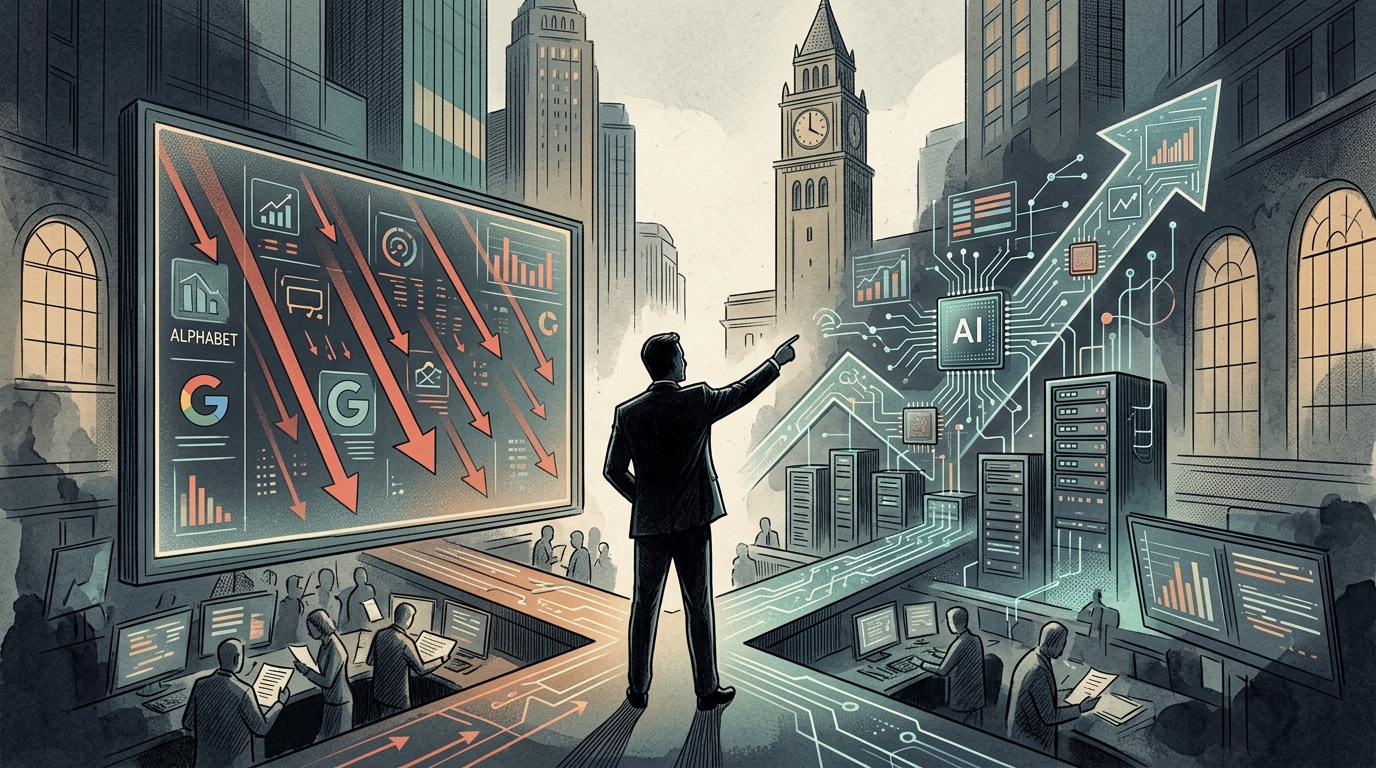
In the high-stakes arena of global finance, the maneuvers of Bill Ackman, the legendary manager of Pershing Square Capital Management, are scrutinized with the same intensity astronomers reserve for rare eclipses. As of May 2026, the market is dissecting a significant strategic shift: Ackman’s decision to liquidate a portion of his gains from Alphabet (Google’s parent company) to double down on a company many don’t view as a traditional AI player, yet one that serves as its backbone: Brookfield Corporation.
The Retreat from Software: Is the Alphabet Honeymoon Over?
For years, Alphabet was the cornerstone of Ackman’s high-conviction strategy. With a dominant search monopoly and the rapid ascent of Google Cloud, the company appeared unassailable. However, by 2026, the landscape has fractured. Competition from OpenAI, Perplexity, and decentralized search models has begun to erode the traditional search moat, while relentless antitrust pressure from the EU and the US Department of Justice has created a persistent cloud of uncertainty.
Ackman, known for favoring businesses with wide moats and predictable cash flows, seems to recognize that the battle at the AI software layer is becoming increasingly commoditized and expensive. Alphabet must reinvest billions every quarter just to maintain its standing—a dynamic that often leads to margin compression. While Alphabet remains a formidable enterprise, Ackman’s decision to 'buy the dip' in another sector suggests a nuanced understanding of the AI value chain's evolution.
Brookfield Corporation: The Silent Titan of Artificial Intelligence
The stock Ackman is pivoting toward is Brookfield Corporation. Often pigeonholed as an alternative asset manager, Brookfield has quietly transformed into the ultimate infrastructure provider for the AI revolution. In 2026, we have learned that AI is not just code; it is energy, water, and physical real estate.
- Energy Hegemony: Through Brookfield Renewable Partners, the corporation is one of the world’s largest owners of renewable energy infrastructure. As AI models require exponentially more power, Brookfield’s ability to deliver green electricity at scale makes it an indispensable partner for Big Tech.
- Data Center Dominance: The company owns and operates vast networks of data centers globally. In an era where computational demand outstrips supply, owning the physical 'home' of AI offers more security than developing the models themselves.
- Capital Efficiency: Unlike the high-volatility world of tech startups, Brookfield operates with long-term, inflation-linked contracts that ensure steady cash flows—a perfect fit for Ackman’s 'Buffett-style' investment philosophy.
The Macro Perspective: From Application to Infrastructure
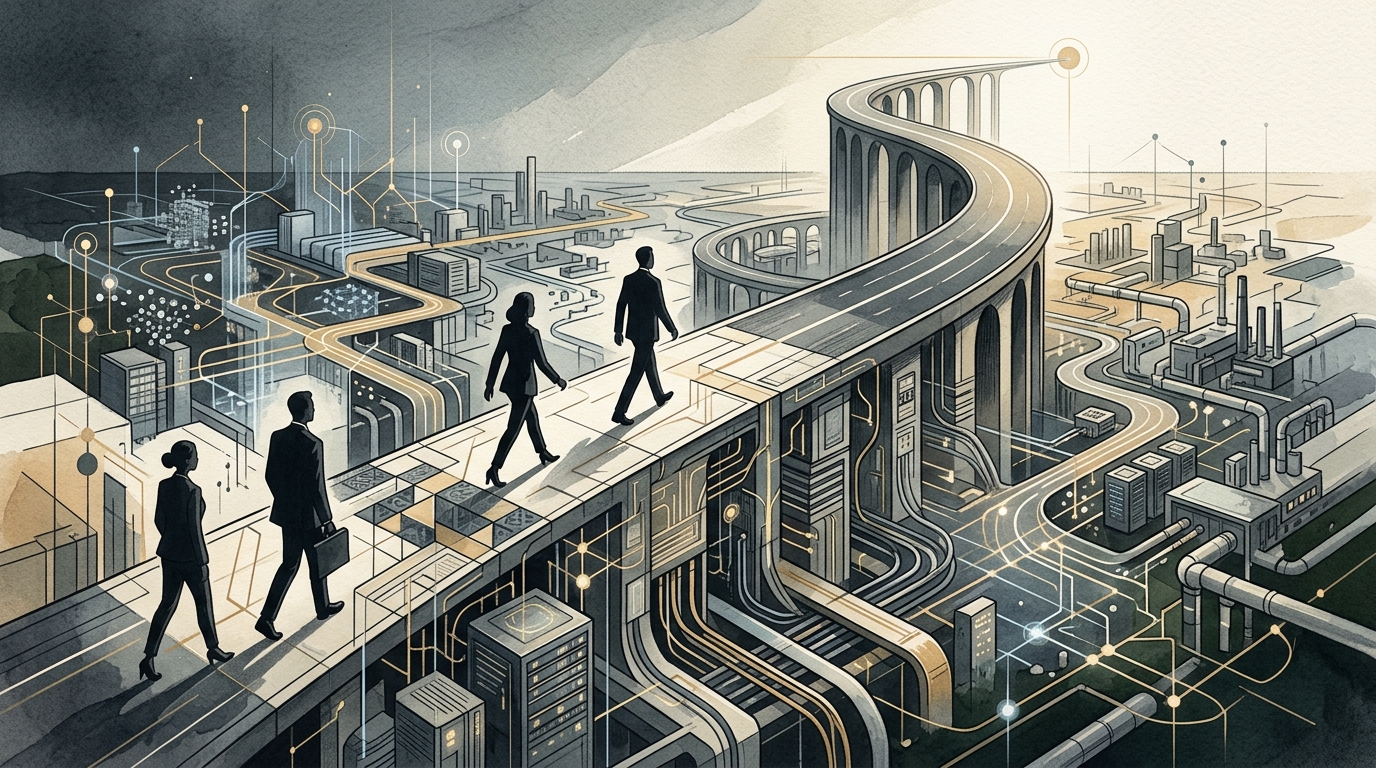
This move reflects a broader 2026 trend. As the initial hype surrounding generative AI chatbots matures, institutional investors are realizing that the ultimate victors of the AI era may not be the ones writing the algorithms, but those controlling the physical resources that power them. Brookfield represents a classic 'pick and shovel' strategy: rather than betting on which prospector strikes gold, you bet on the one selling the shovels.
"Artificial Intelligence is as much a physical industry as it is a digital one. Without the power and the cooling provided by companies like Brookfield, the smartest model in the world is just dead code," notes a senior analyst at Pershing Square.
In conclusion, Ackman isn't exiting the AI trade; he is moving upstream. While Alphabet continues to lead in digital services, Brookfield offers exposure to AI that is less vulnerable to rapid algorithmic disruption and more tethered to the global necessity for energy and physical infrastructure. This pivot may well be remembered as the moment when 'AI investing' moved from the cloud back down to earth.