The global automotive industry, a sector that had only just begun to recover from the multi-year disruptions of the pandemic and the semiconductor shortage, is facing a new, ominous reality. Recent geopolitical upheavals in the Middle East are no longer just a humanitarian and diplomatic issue; they are translating into a harsh economic bill reaching $5 billion for major manufacturers. This warning, coming from leading analysts and industry executives in the US, highlights the vulnerability of modern supply chains to regional conflicts.
The Supply Chain in the Eye of the Storm
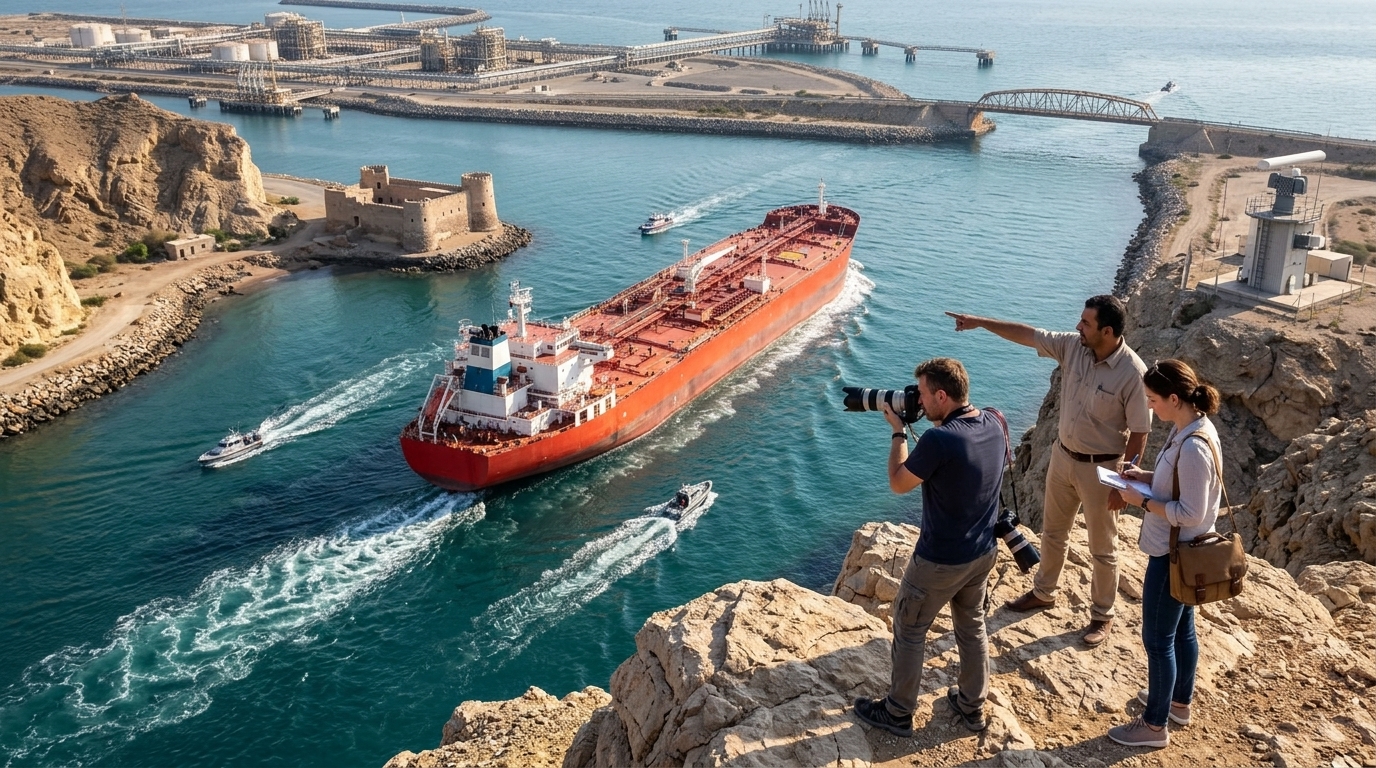
The primary problem is not just the immediate interruption of production, but the chain reaction caused by instability in maritime routes and energy prices. The Red Sea, a critical conduit for transporting parts from Asia to Europe and the Americas, has turned into a high-risk zone. The forced diversion of ships around the Cape of Good Hope adds weeks to delivery times and millions of dollars in fuel costs and insurance premiums.
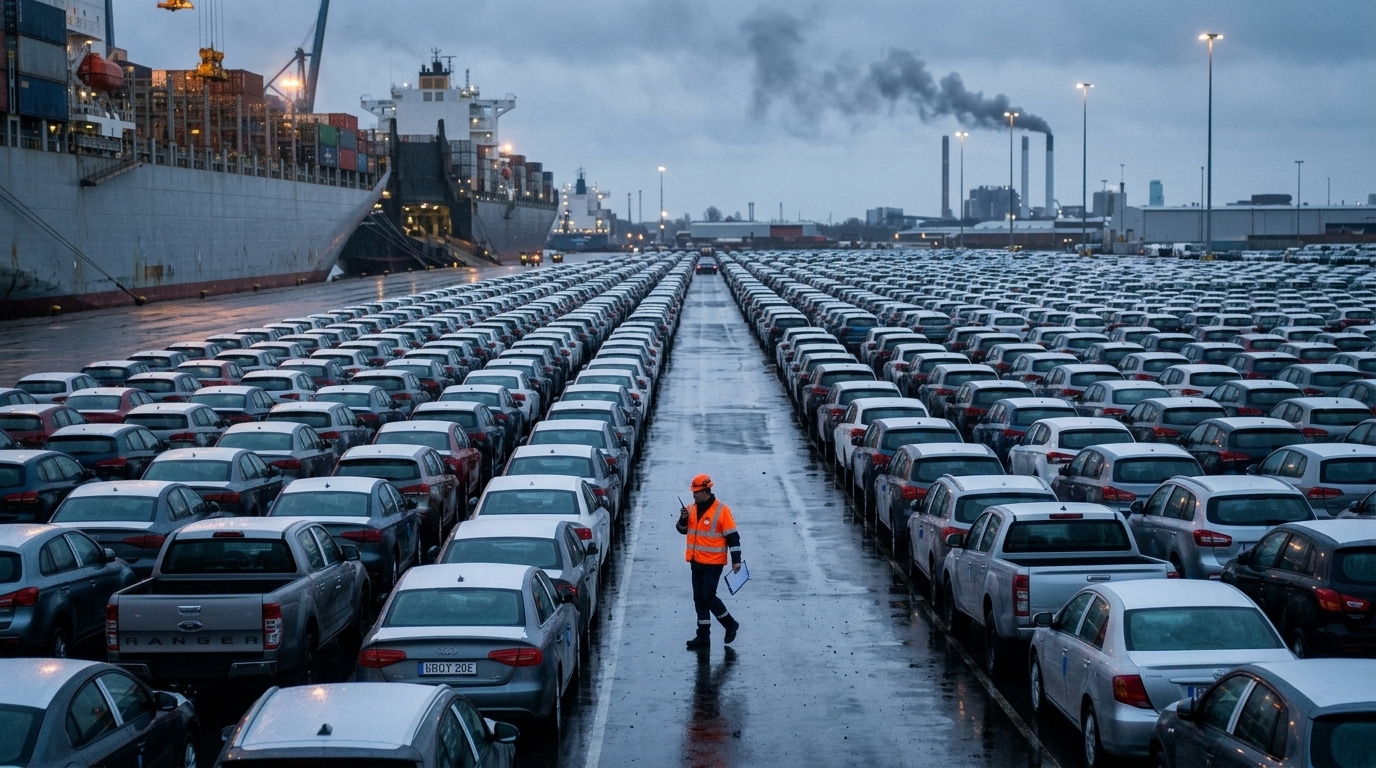
For automakers operating on the "Just-in-Time" model, these delays are catastrophic. A shortage of a single component, such as a sensor or a transmission part, can bring entire assembly lines to a standstill. The $5 billion cost cited in reports includes both the direct cost of logistics and indirect losses from underutilized factory capacity.
Raw Material Inflation and Energy
Beyond logistics, the Middle East crisis directly impacts commodity prices. The automotive industry is one of the largest consumers of steel, aluminum, and petroleum-derived plastics. Rising crude oil and natural gas prices do not just increase factory operating costs; they also drive up the prices of raw materials that require vast amounts of energy to produce.
- Aluminum: Its production is extremely energy-intensive, and fluctuations in energy prices are passed directly to manufacturers.
- Logistics: Increased freight rates and Red Sea delays force companies to seek more expensive alternatives, such as air freight for critical components.
- Profit Margins: With competition from China intensifying, Western companies find it difficult to pass all additional costs onto the consumer.
The situation is further complicated by the transition to electric vehicles (EVs). EVs require even more specialized raw materials and semiconductors, the flow of which is more sensitive to geopolitical blockades. Billions in investments earmarked for the sector's transformation are now under pressure from the squeezed profit margins caused by the conflict.
Resilience vs. Efficiency: A Strategic Shift
This new crisis is forcing the CEOs of major groups, such as General Motors and Ford, to rethink the fundamental structure of their businesses. The doctrine of "maximum efficiency" that dominated recent decades is giving way to "resilience." This means larger inventories (Just-in-Case), supplier diversification, and, in many cases, moving production closer to home (near-shoring or friend-shoring).
"We can no longer rely on a global peace that we took for granted. Our supply chain must be as armored as our vehicles," says a Detroit industry executive.
In conclusion, the $5 billion warning is a reminder that the market economy does not operate in a vacuum. Geopolitical conflicts in the Middle East have a direct impact on the price of a car purchased by a citizen in Ohio or Athens. The ability of automakers to absorb these shocks will determine not only their profitability for the coming year but also the speed at which the global economy's green transition will proceed.