The global geopolitical chessboard of technology is shifting rapidly, and Vietnam is emerging as one of the most unexpected yet capable protagonists. According to recent reports and economic data, investments in the Artificial Intelligence (AI) sector in the country have surged 13-fold over the last decade, signaling a structural shift of the national economy from low-cost industrial labor toward a knowledge-based, high-tech economy. This evolution is no accident; it is the result of a coordinated state strategy and a favorable international environment.
The Geopolitics of Innovation: Why Vietnam?
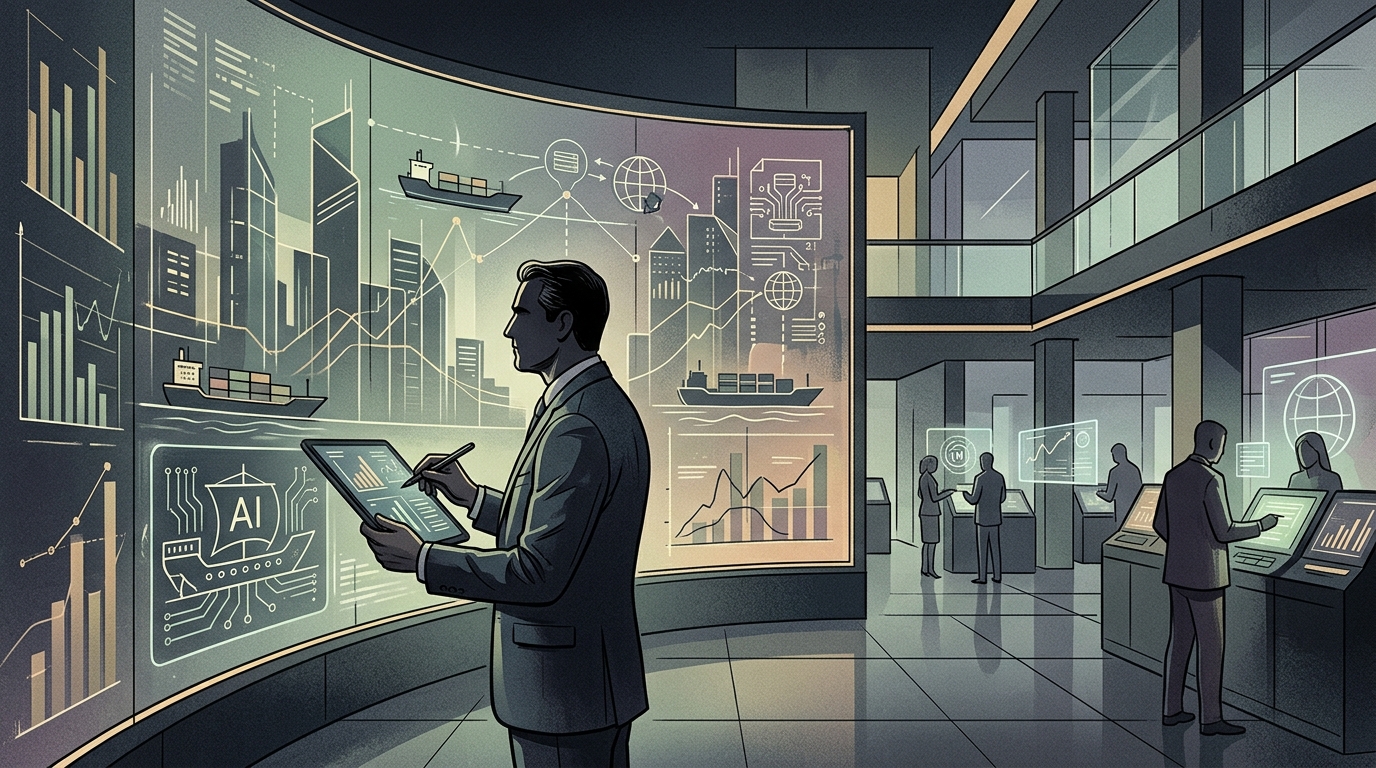
Vietnam's rise in the AI field is inextricably linked to the "China Plus One" strategy adopted by many multinational corporations. As trade tensions between the US and China escalate, tech giants are seeking alternative bases for production and research. Vietnam, with its stable political climate and strategic location in Southeast Asia, offers an ideal haven. Companies like Nvidia, Google, and Samsung have already begun moving parts of their operations to the country, not just for hardware assembly, but increasingly for software development and AI algorithm design.
The government in Hanoi has set a goal for Vietnam to be among the top four ASEAN countries in AI research and development by 2030. To achieve this, it has introduced incentives for foreign investment, invested in cloud infrastructure, and encouraged the creation of domestic tech "unicorns." The 13-fold increase in investment reflects market confidence in this vision, transforming Vietnam from a mere follower into an active shaper of technological trends.
From Manufacturing to High-Tech: The Human Capital
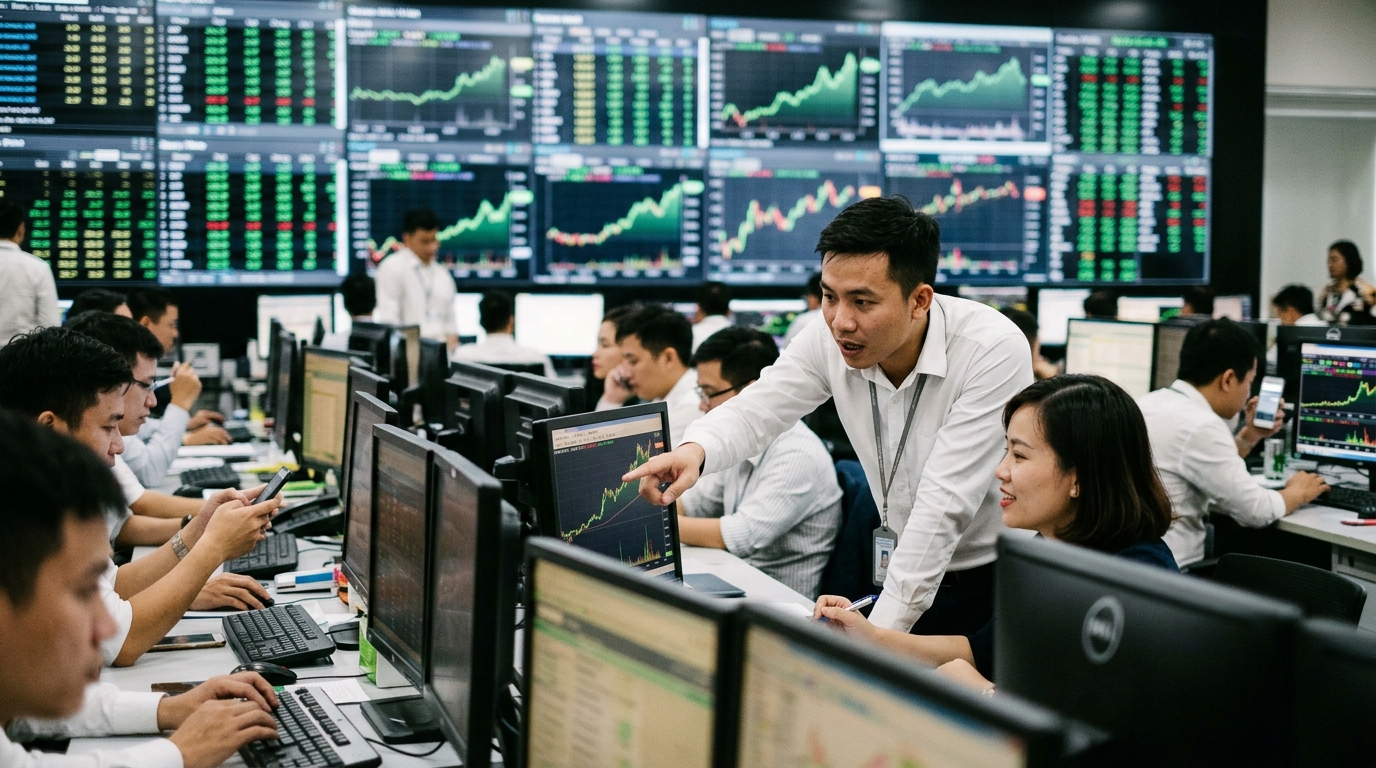
Vietnam's greatest asset is not tax breaks, but its human capital. The country boasts a youthful population with exceptional performance in STEM (Science, Technology, Engineering, Mathematics). Every year, thousands of new engineers graduate from Vietnamese universities, ready to staff research and development departments. The domestic firm FPT, for instance, has evolved into a global IT services provider, investing in its own AI models and collaborating with top American institutions.
"Artificial Intelligence is not just a tool for us; it is the bridge that will allow us to leapfrog traditional stages of economic development," state tech industry executives in Hanoi.
However, this transition is not without hurdles. A shortage of high-level management expertise and the need for deeper knowledge in machine learning remain challenges. The government is attempting to bridge this gap through international partnerships, inviting experts from the diaspora, and encouraging joint research programs with foreign universities.
The Infrastructure Bottleneck: Power and Regulation
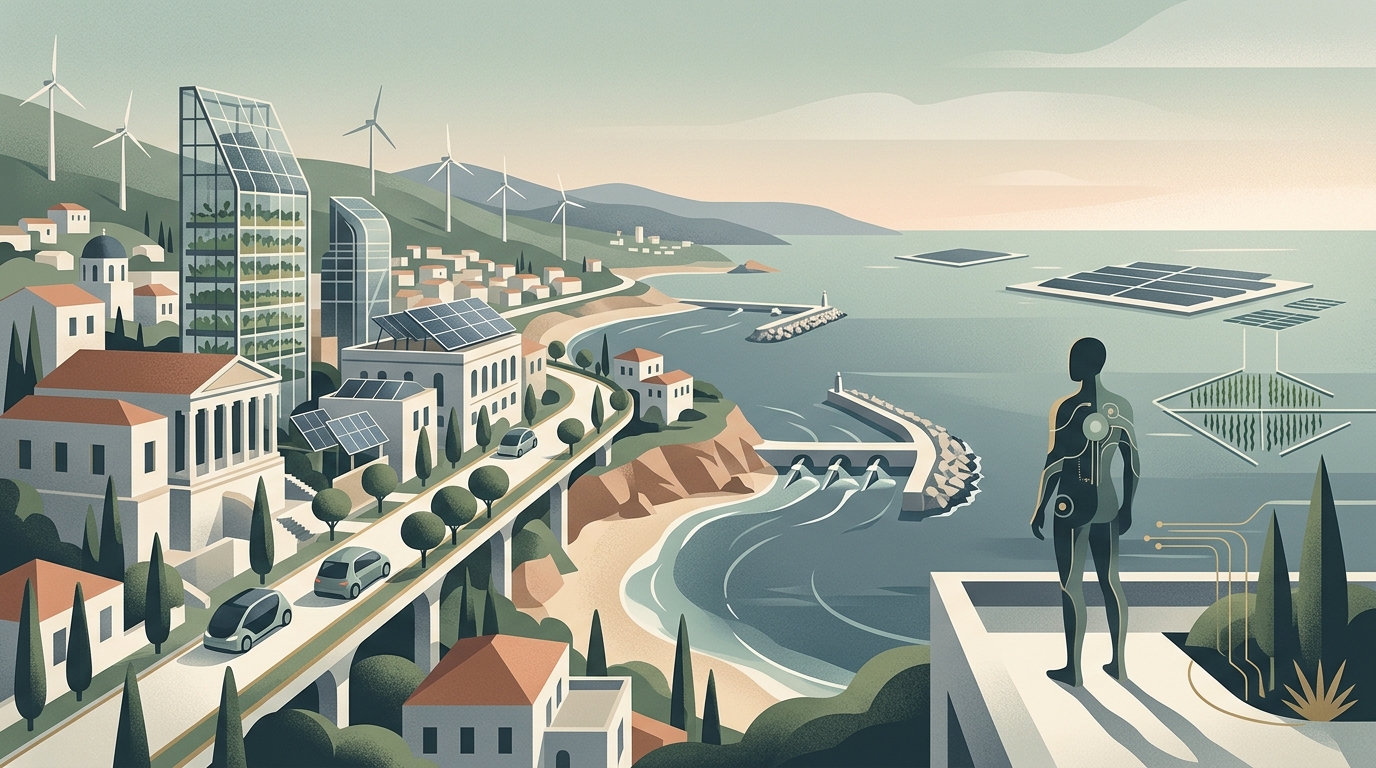
Despite the impressive growth, Vietnam faces two critical issues that could stall its progress: energy sufficiency and the regulatory framework. Operating massive data centers for training AI models requires enormous amounts of electricity. Vietnam's power grid has already shown signs of strain, and a shift toward renewable energy is essential to maintain the sustainability of these investments.
Furthermore, the lack of a clear legal framework for data protection and the ethical use of AI could deter some investors. The European Union and the US have already moved toward strict regulations, and Vietnam will need to align with international standards if it wishes to remain attractive to Western firms. The balance between state surveillance and the freedom of innovation is a delicate issue that Hanoi must manage carefully.
A New Era: The Rise of the Digital Dragon
The 13-fold increase in AI investment is just the beginning. Vietnam is strategically positioning itself to become the "digital dragon" of Asia in the 21st century. If it manages to resolve infrastructure problems and continues to invest in education, the country could shift the balance in the global technology value chain. The opportunity is groundbreaking, not only for Vietnam itself but also for the global community seeking new poles of innovation away from traditional power centers.