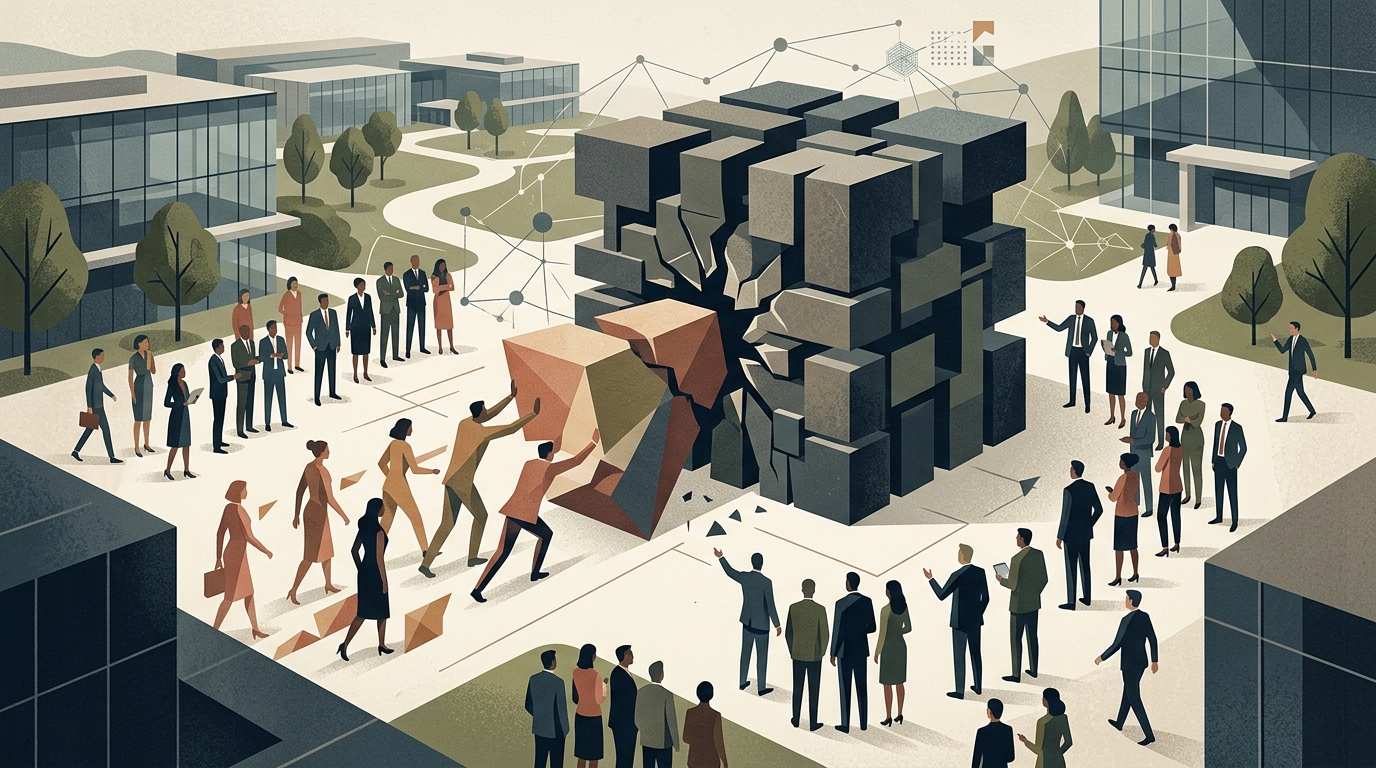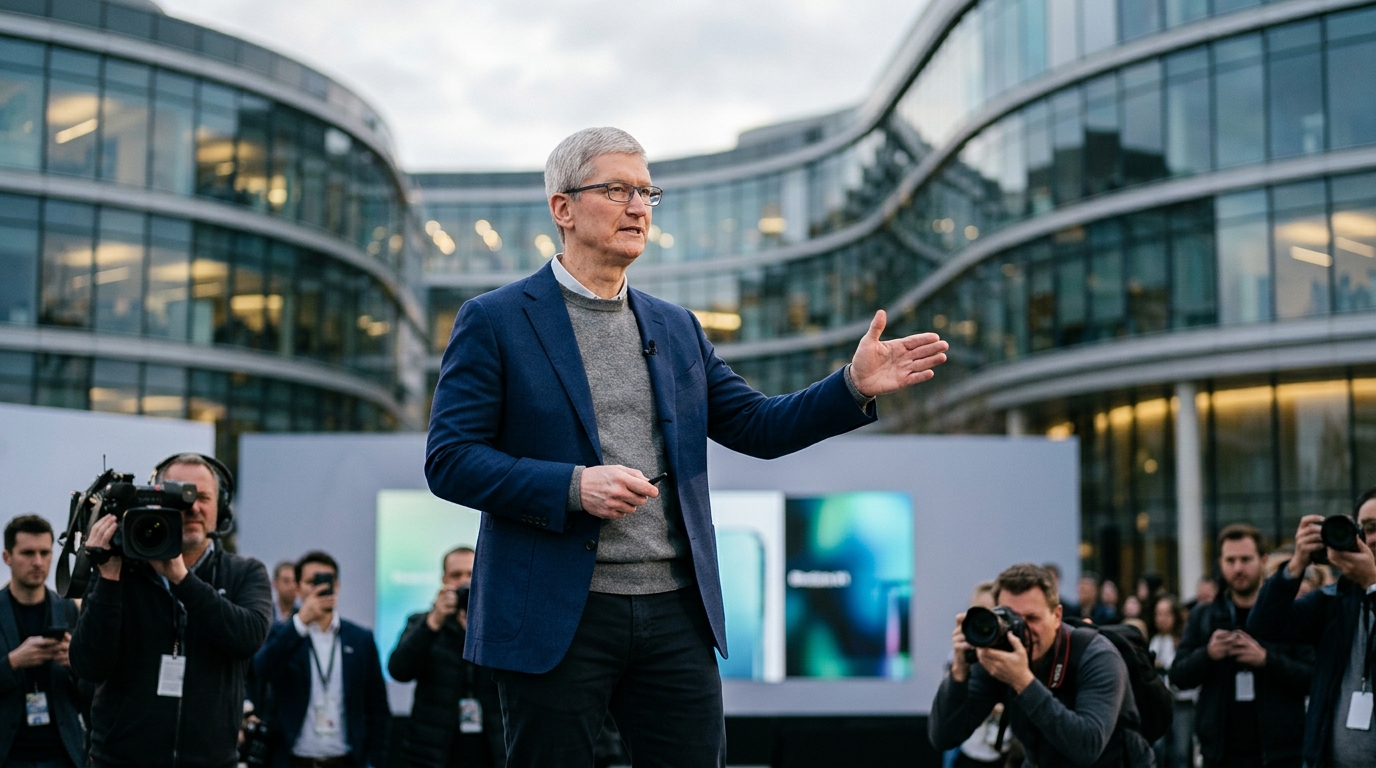
The announcement of the succession at the top of Apple is not merely corporate news; it marks the end of an era that defined the global economy and technological culture of the 21st century. Tim Cook, the man who transformed Apple from a successful computer company into a $3 trillion financial titan, is handing over the reins to John Ternus. This choice is no accident. It signals a fundamental shift from operational excellence back to the heart of the product, in an age where Artificial Intelligence threatens to upend everything.
The Architect of Apple Silicon
John Ternus is no stranger to the hallways of Apple Park. As the head of Hardware Engineering, he has been the architect of some of the company’s most critical transitions over the last decade. The most significant of these was undoubtedly the shift to Apple Silicon. Apple's decision to abandon Intel and design its own processors was the bet Ternus won, providing the company with autonomy and performance that competitors are still struggling to match.
According to internal sources, Ternus is seen as the "spiritual heir" to the design philosophy started by Steve Jobs, but with the composure and discipline required for the modern era. Unlike Cook, who hailed from the supply chain sector, Ternus is an engineer to his core. This profile is essential as Apple strives to integrate "Apple Intelligence" into every facet of its ecosystem.
The AI Challenge
But why now? The answer lies in the speed at which Generative AI is evolving. Apple initially found itself on the defensive against OpenAI and Google. Cook managed to steady the ship with the announcement of Apple Intelligence, but the implementation of this vision requires a deep integration of hardware and software that only a "product guy" can orchestrate.
- Unifying A-series and M-series chips to support on-device AI models.
- Redesigning the iPhone with a focus on thermal management for continuous AI processing.
- Evolving the Vision Pro from an expensive experiment into a necessary spatial computing device.
Ternus is tasked with proving that Apple can still innovate, rather than just iterate on existing product categories. The market is waiting for the "Next Big Thing," and the new CEO will be judged by whether he can deliver it within the next five years.
Tim Cook’s Legacy and the Road Ahead
Tim Cook leaves behind a company that is the gold standard of supply chain management and profitability. However, critics often accused him of a lack of product vision, arguing that Apple became "boring." Ternus has the opportunity to change that narrative. With his relative youth (compared to other Apple executives) and technical background, he brings a fresh energy reminiscent of the heyday of the Mac and the first iPhones.
"John is the person who understands how technology becomes emotion. In the age of AI, that is the only thing that will set Apple apart from the rest," says a Bloomberg Tech analyst.
In conclusion, the selection of John Ternus is a statement of intent. Apple no longer just wants to sell phones; it wants to redefine our relationship with technology through AI, and it believes that only an engineer who loves the product can lead them there.