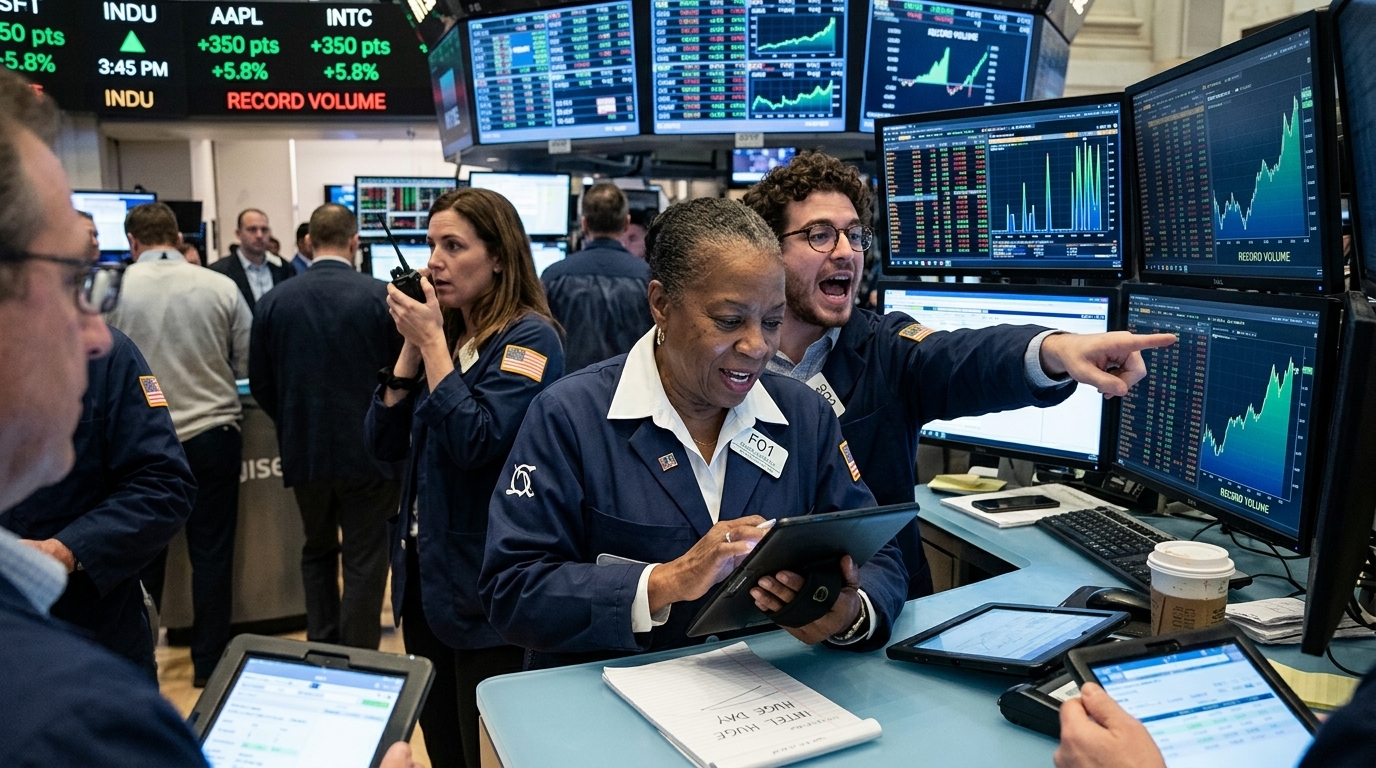
In a historic trading session that will be etched into the annals of Wall Street, Intel Corp. has finally exorcised the ghosts of its past. The announcement of its Q1 2026 financial results was not merely positive; it was a tour de force that propelled the company's stock to its best single-day performance since 1987. In doing so, Intel finally eclipsed its all-time high set during the peak of the dot-com bubble in 2000, a milestone that had eluded the chipmaker for over a quarter-century.
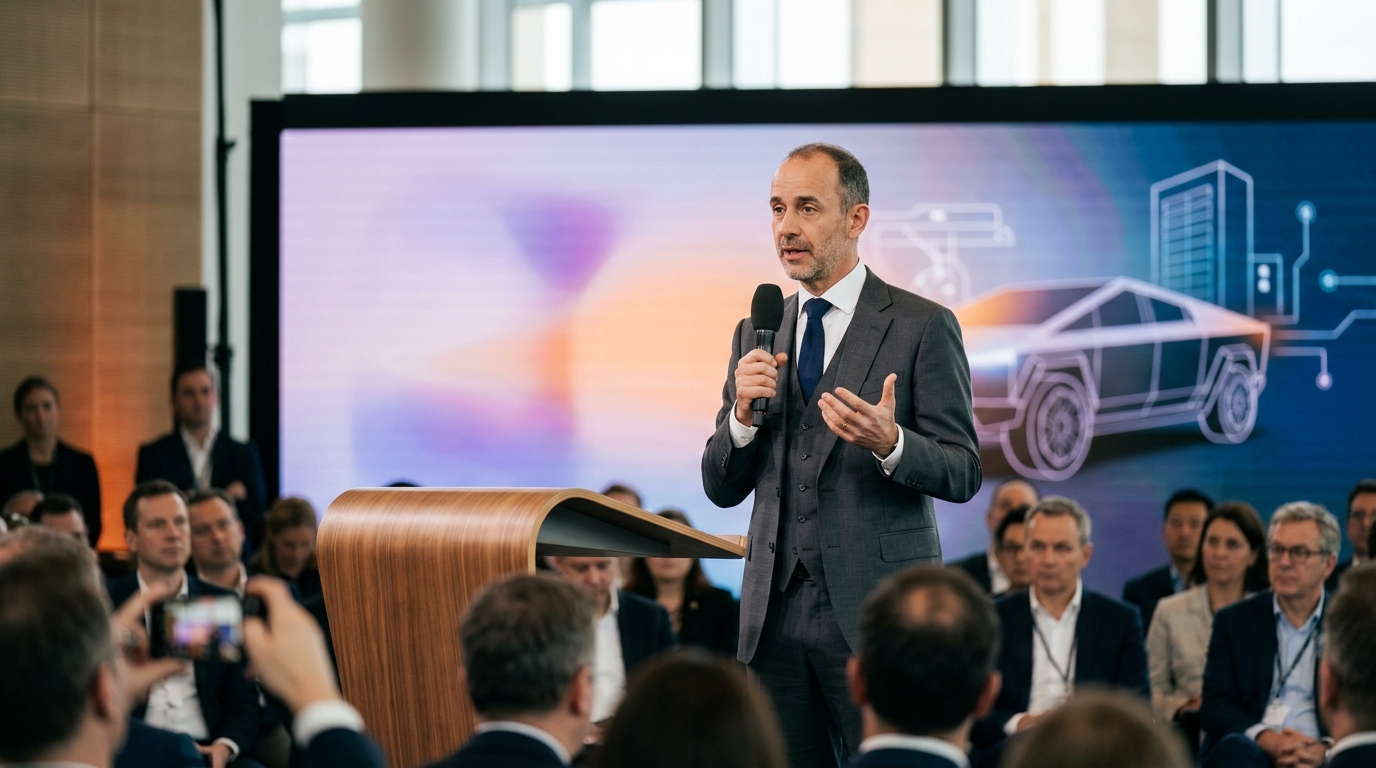
This surge was no fluke. It represents the culmination of a grueling multi-year turnaround strategy led by CEO Pat Gelsinger, centered on regaining process leadership through the ambitious IDM 2.0 roadmap. The market reacted with unbridled enthusiasm to the news that Intel’s 18A process node is not only hitting high-volume manufacturing targets but has already secured marquee hyperscale customers for custom AI silicon.
The Silicon Renaissance: Earnings That Shook the Market
Intel’s numbers blew past even the most optimistic analyst estimates. Revenue climbed 35% year-over-year, fueled by a resurgence in the Data Center and AI Group (DCAI) and a massive wave of upgrades in the consumer sector driven by the "AI PC" cycle. The company successfully demonstrated that integrating Neural Processing Units (NPUs) into everyday processors was more than just a marketing gimmick—it has become a fundamental shift in how end-users leverage local AI capabilities.
However, the real story lay in the margins. After years of heavy capital expenditure on new fabrication plants (fabs), Intel’s gross margins have begun to expand significantly. The successful implementation of High-NA EUV (Extreme Ultraviolet) lithography has allowed Intel to achieve better yields and lower costs per transistor, proving that its massive bet on next-generation manufacturing equipment is paying off.
Intel Foundry: A New Global Powerhouse
For decades, Intel’s manufacturing arm existed solely to serve its own product design. That era is over. The Intel Foundry division emerged as the standout performer of the quarter, reporting a deal pipeline exceeding $20 billion. Geopolitical tensions and the global push for supply chain diversification—supported by the CHIPS Act in the US and similar initiatives in Europe—have positioned Intel as the primary alternative to Asian-based foundries.
By offering leading-edge manufacturing services on Western soil, Intel has captured the interest of defense contractors, automotive giants, and rival chip designers alike. This shift fundamentally alters the competitive landscape: Intel is no longer just fighting AMD or NVIDIA for market share in chips; it is now directly challenging TSMC for dominance in the foundational layer of the global economy.
Reflecting on 1987 and Looking Ahead
The comparison to 1987 is poignant. Back then, Intel was on the cusp of the PC revolution that would define the next three decades. Today, it stands at the heart of the AI infrastructure boom. The market seems convinced that Intel is no longer the "stumbling giant" that missed the mobile revolution, but a rejuvenated leader shaping the era of ubiquitous AI.
Despite the current euphoria, the road ahead is not without obstacles. Execution on future process nodes, such as the 14A, must remain flawless to maintain this momentum. Furthermore, the rise of ARM-based architecture in the laptop market continues to pose a competitive threat. Yet, for the first time since the turn of the millennium, investors are not looking at Intel’s history with nostalgia, but at its roadmap with genuine conviction. The "Blue Team" is back, and the foundations they have built appear solid enough to support this new era of growth.