When Tim Cook took the reins of Apple in August 2011, just weeks before Steve Jobs’ passing, the tech world was deeply skeptical. Many wondered if a "supply chain expert" and a pragmatic businessman could ever replace a visionary artist who breathed life into silicon. Fifteen years later, history has delivered its verdict with startling clarity. Cook didn’t try to be the next Jobs; instead, he transformed Apple into the most profitable enterprise in human history, propelling its market capitalization beyond the $3 trillion mark.
However, as we move through 2026, the discourse surrounding his eventual departure and succession has taken on a new, urgent dimension. Apple no longer faces the mere challenge of incremental iPhone updates. It is facing an existential pivot: the Artificial Intelligence revolution. Moving from a company that sells "exquisite hardware" to one defined by "intelligent interaction" is Cook’s final, and perhaps most difficult, act.
A Legacy of Operational Mastery
Tim Cook’s tenure will be remembered for the strategic pivot toward Services. He realized early on that hardware sales have a natural ceiling and focused on building an ecosystem that users find nearly impossible to leave. Apple Music, iCloud, Apple TV+, and the App Store became cash-flow juggernauts with profit margins that traditional industries could only dream of. Under his watch, the Apple Watch and AirPods were born—products that didn't just succeed, but defined their respective categories.
Yet, Cook’s greatest feat was perhaps his geopolitical finesse. He navigated the treacherous waters of the US-China trade wars, maintaining Apple’s massive manufacturing base in China while simultaneously initiating a gradual, complex migration of production to India and Vietnam. This "silent diplomacy" ensured that Apple remained resilient while other tech giants faltered under the weight of global supply chain disruptions.
The AI Challenge: Catching Up to the Future
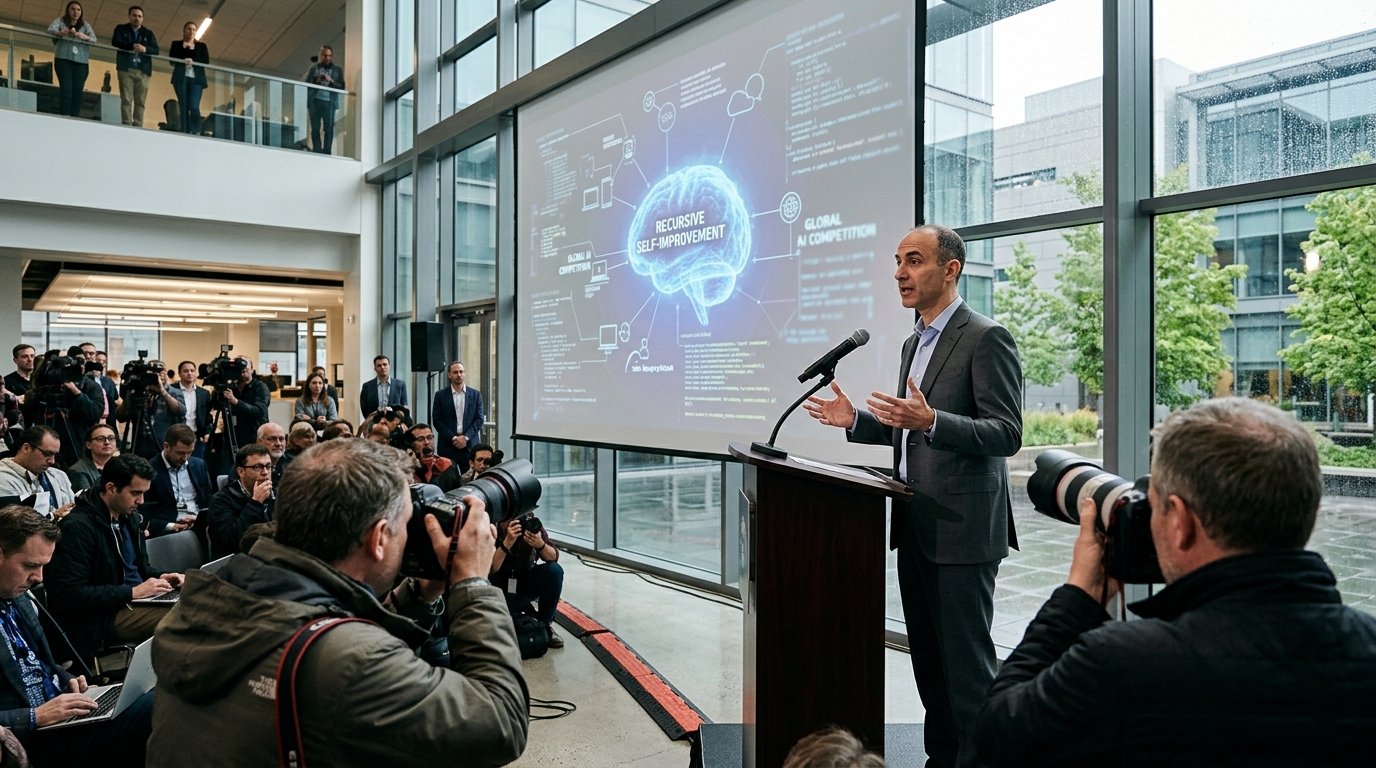
Despite the financial accolades, Apple faced stinging criticism for being "asleep at the wheel" during the Generative AI explosion of 2023 and 2024. While Microsoft, Google, and Meta were shipping models at breakneck speed, Apple remained uncharacteristically quiet, leaving Siri to look like a relic of a bygone era. The eventual unveiling of "Apple Intelligence" was Cook’s strategic counter-move—a promise to integrate AI into the daily lives of billions, but with a uniquely Apple twist: a focus on privacy.
- The partnership with OpenAI to integrate ChatGPT into iOS signaled a rare, pragmatic willingness to collaborate.
- The emphasis on "on-device" processing serves as the primary differentiator from competitors who rely heavily on the cloud.
- Vision Pro, while still a niche product, represents the vessel for "spatial computing," where AI will eventually serve as the primary interface.
Cook understands that if Apple fails to lead in the AI era, the iPhone risks becoming the "Nokia of tomorrow." AI is not just a feature; it is the new operating system of human experience. His legacy will ultimately be judged by whether Apple Intelligence can become as indispensable as the multitouch interface was in 2007.
Succession: Who Inherits the Walled Garden?
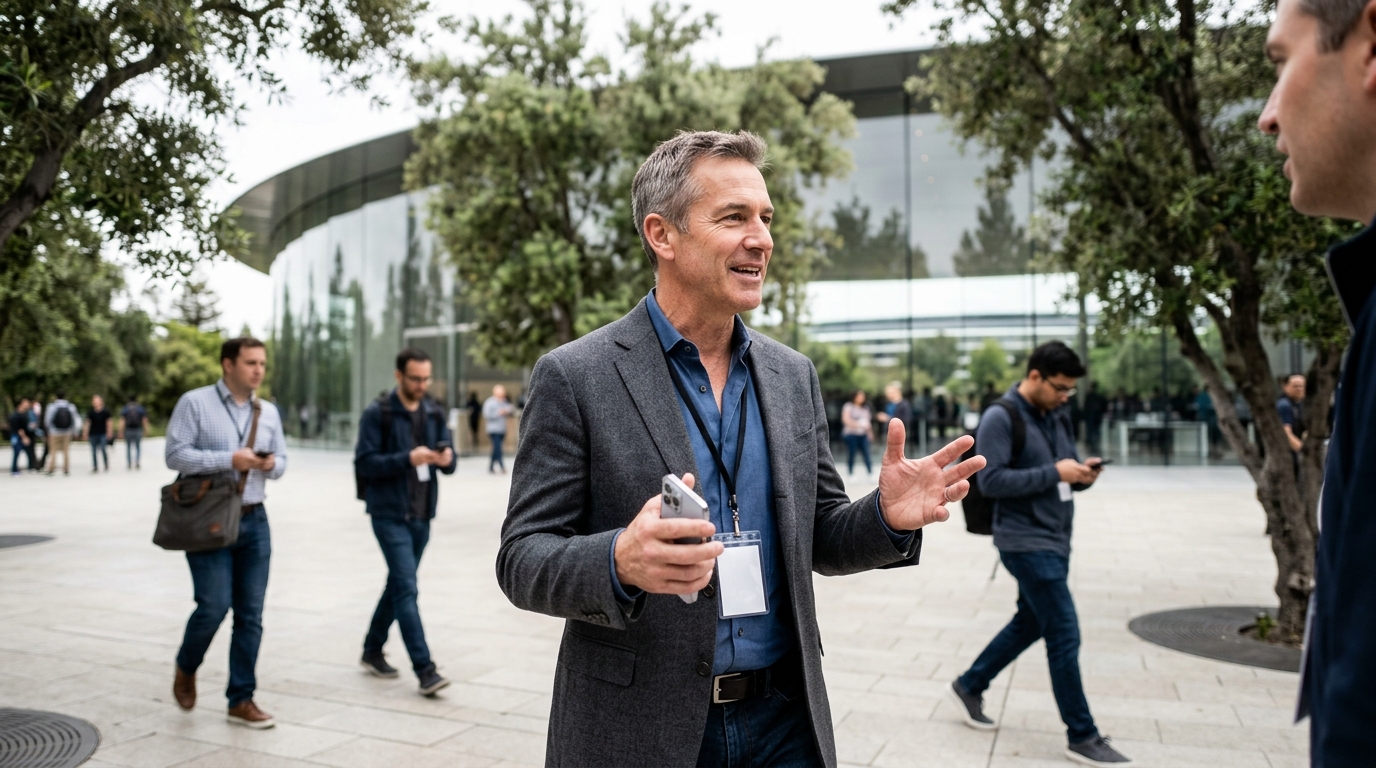
Cook’s departure, though not yet officially dated, is the primary topic of speculation within the glass walls of Apple Park. Candidates like Jeff Williams (COO) and John Ternus (Hardware Engineering) are seen as the frontrunners. The next CEO will not just manage a profitable balance sheet; they will have to lead a cultural transformation. Apple must rediscover itself as a software and AI-first company without losing its soul as the world’s premier hardware designer.
"Steve told me never to ask what he would do, but to just do what was right," Cook once remarked in an interview.
As his 15-year chapter nears its conclusion, Tim Cook leaves behind an Apple that is more powerful than ever, yet more vulnerable to technological shifts than at any point since 1997. History will remember him as the man who turned technology into a mass-market luxury, but his true success will be measured by whether the fortress he built can withstand the disruptive winds of the AI age without his steady hand at the tiller.