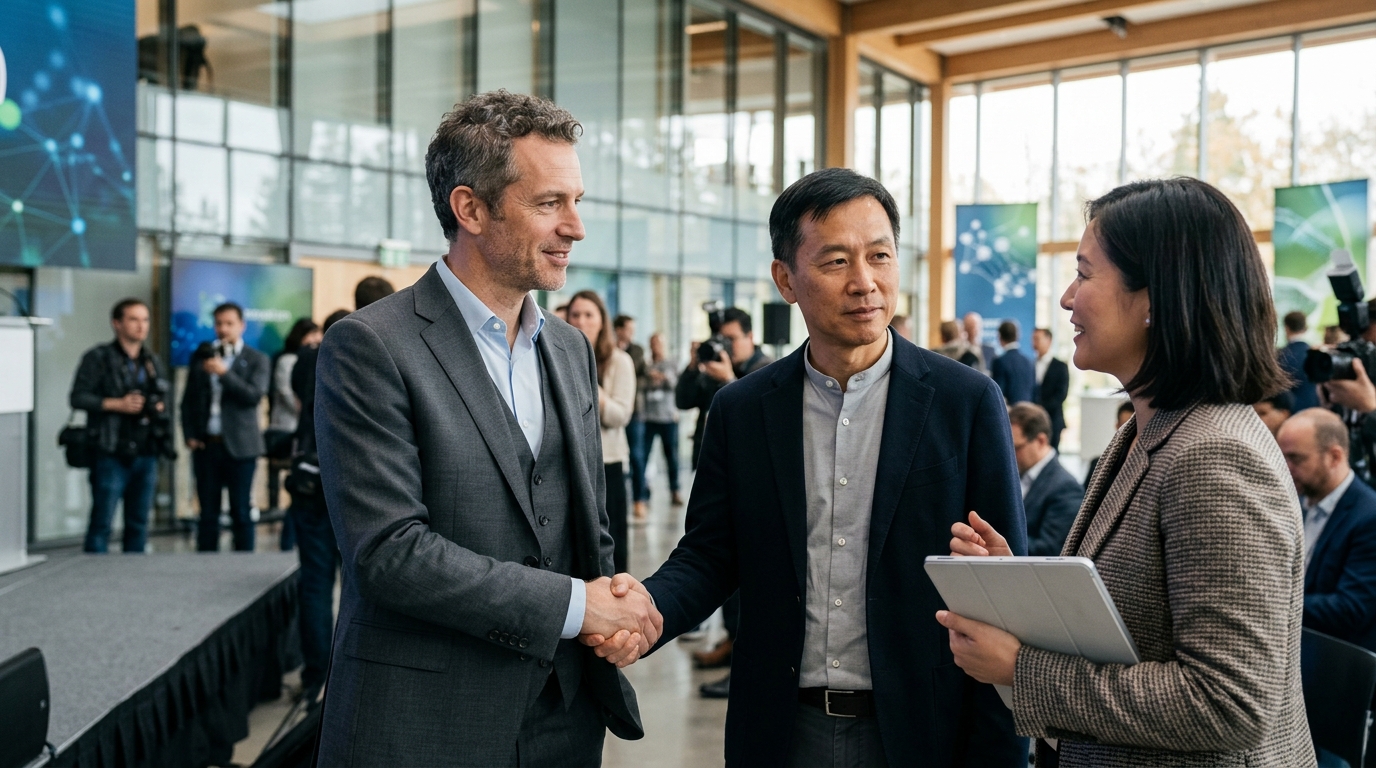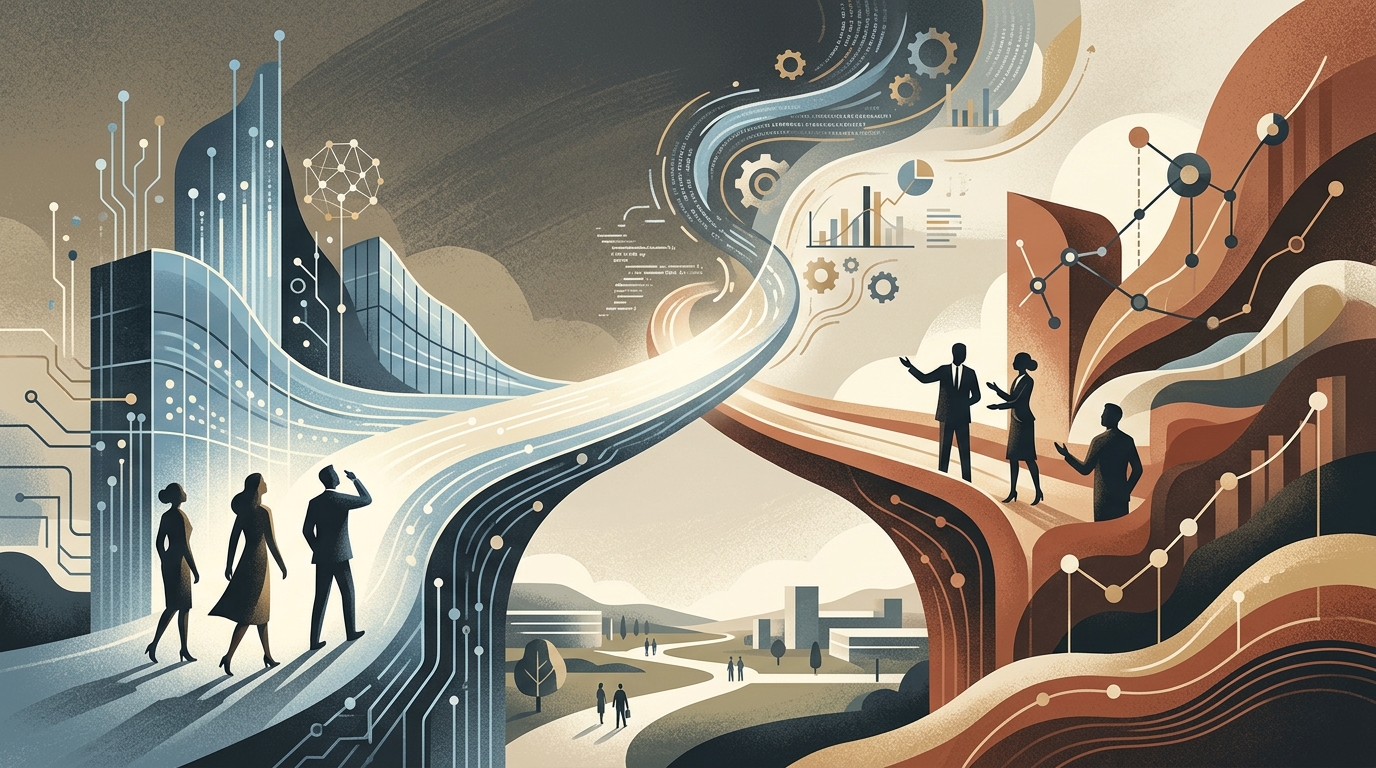
In the ever-evolving landscape of the digital economy, the strategic convergence of technology leaders is no longer an option, but an imperative. The recent announcement strengthening the alliance between Salesforce, the global leader in CRM, and Google Cloud, marks a new era for enterprise artificial intelligence. This partnership is not merely a commercial agreement but a deep technical integration aimed at solving the biggest problem facing modern enterprises: data fragmentation.
The Architecture of Zero-Copy Data Sharing
The centerpiece of this new phase of collaboration is 'zero-copy data sharing' technology. Traditionally, companies wishing to analyze their customer data from Salesforce using Google Cloud's analytics tools (BigQuery) had to move massive volumes of data from one platform to another. This process was costly, time-consuming, and posed significant risks to security and regulatory compliance, such as GDPR.
With the new integration, data stays in its original location. Salesforce Data Cloud can now directly 'read' from Google BigQuery and vice versa, without the need for replication. This allows analysts and data scientists to have a holistic, real-time view of the customer. For instance, a retailer can combine purchase data from their CRM with web browsing data from Google Analytics to instantly create personalized offers via AI.
Vertex AI and the Power of Gemini in Salesforce
The partnership extends beyond data into the realm of generative AI models. Salesforce is integrating Google's Vertex AI, allowing its customers to use advanced Gemini models directly within the Salesforce Einstein environment. This means businesses can 'Bring Your Own Model' (BYOM) and train them on their own corporate data, ensuring that AI responses are accurate and contextually relevant to the business.
"AI is only as good as the data that powers it. Our partnership with Google allows businesses to unlock the full value of their data without the constraints of traditional infrastructure," a Salesforce executive stated during the strategy presentation.
This approach addresses the issue of AI 'hallucinations.' By using techniques such as Retrieval-Augmented Generation (RAG), Google's models can pull information from the trusted Salesforce Data Cloud environment, providing responses based on facts rather than assumptions.
Competitive Landscape and the Battle for Enterprise AI
This move is a clear response to the dominance of the Microsoft and OpenAI alliance. While Microsoft has the advantage of integrating Copilot across the entire Office and Azure ecosystem, Salesforce and Google are betting on openness and flexibility. The ability to choose between different AI models and avoid 'vendor lock-in' is a strong lure for large enterprises that want to maintain control over their tech stack.
- Unified Management: Users can manage AI licenses and usage from a central point.
- Enhanced Productivity: Automation of email drafting, meeting summaries, and sales forecasting with high accuracy.
- Security and Ethics: Shared protocols for privacy protection and the elimination of algorithmic bias.
In conclusion, the strengthened Salesforce and Google Cloud alliance is not just about improving their software. It is a strategic realignment of power in the cloud market, where value is shifting from simple data storage to the production of intelligence. For businesses, this translates into faster decision-making, better customer service, and ultimately, a significant competitive advantage in the digital arena of 2026.