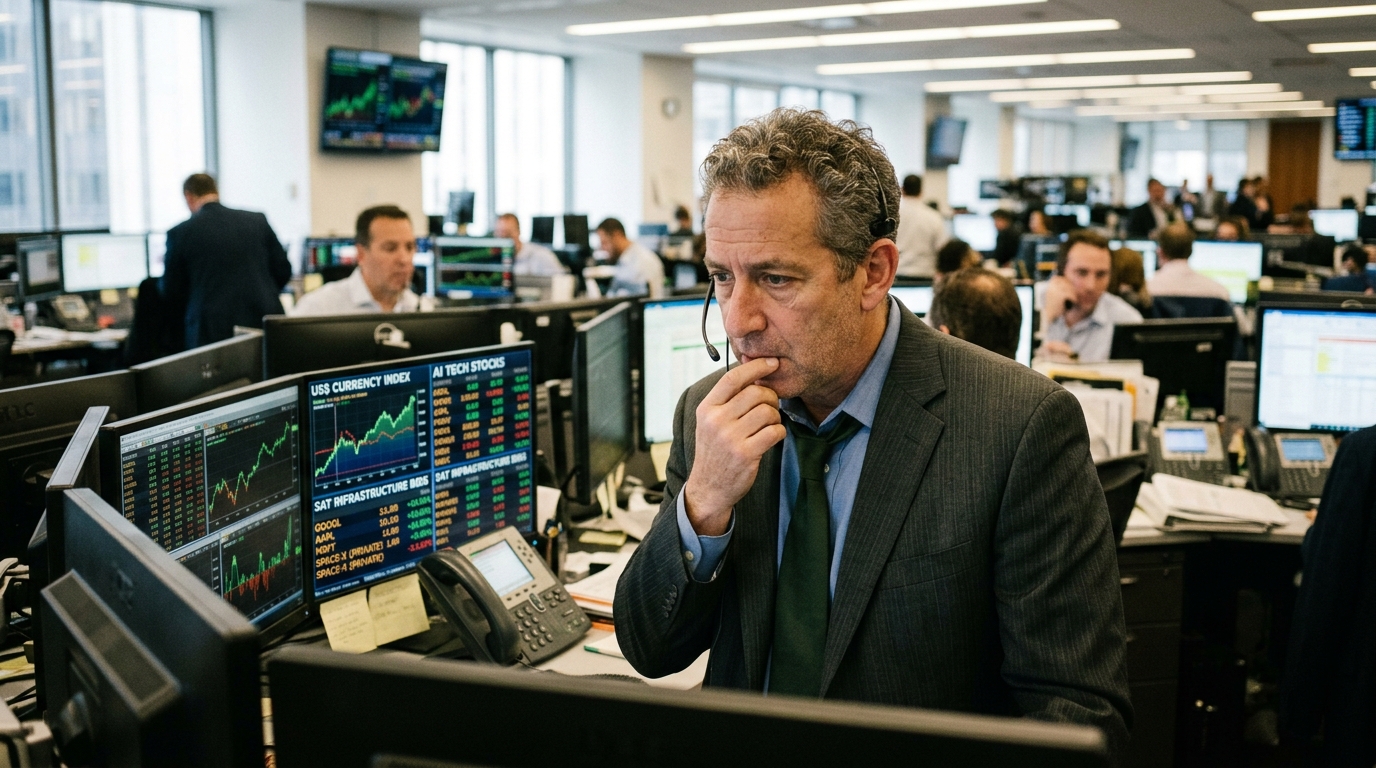
The rumors that have been circulating through the corridors of Wall Street and Silicon Valley for months are finally taking shape: OpenAI, the company that ignited the generative AI revolution, is preparing for a historic Initial Public Offering (IPO) as early as September 2026. This move is not merely a financial transaction; it is the final act of a dramatic transformation for an organization that began with a promise to protect humanity from the risks of AI, only to evolve into the industry's most powerful commercial player.
The Transformation: From "Common Good" to Shareholders
OpenAI’s path to the stock market is laden with symbolism. Founded in 2015 as a non-profit organization, the company under Sam Altman’s leadership has been forced to reinvent itself multiple times. The need for massive capital to fund the training of models like GPT-5 and the upcoming Sora video generator led to the creation of a "capped-profit" hybrid model. However, reports suggest that OpenAI is completing its full restructuring into a traditional for-profit corporation before the Nasdaq bell rings.
This shift comes at a cost. The departure of top scientists and founding board members, who expressed concerns over the safety and ethical implications of rapid commercialization, has left OpenAI with a new, more aggressive structure. The upcoming IPO is seen as the ultimate reward for its backers, most notably Microsoft, which holds a 49% stake in the for-profit subsidiary and is expected to see the value of its investment skyrocket to unprecedented levels.
The Staggering Numbers: Valuation and Revenue
While official announcements are pending, analysts estimate that OpenAI's valuation could exceed $150 billion, placing it among the world's most valuable tech companies. The company's revenue has seen explosive growth, surpassing $4 billion on an annualized basis in early 2026, driven by the mass adoption of enterprise solutions and ChatGPT Plus subscription models.
- Compute Costs: Despite high revenues, OpenAI spends billions maintaining servers on Microsoft Azure. The IPO will provide the liquidity needed for its own chip development (Project Tigris).
- Competition: Google and Anthropic are squeezing profit margins. A public offering will give OpenAI the "war chest" required to acquire smaller startups and maintain its lead.
- Institutional Investors: Giants like Thrive Capital and Khosla Ventures are expected to liquidate portions of their holdings, creating a new generation of "AI millionaires."
Geopolitics and the Regulatory Landscape
The timing of the September IPO is no coincidence. It coincides with the full implementation of the AI Act in the European Union and election cycles in major economies. OpenAI seeks to establish itself as the U.S. "national champion" in the AI sector, hoping that its market power will offer greater leverage when negotiating with regulators.
"OpenAI is no longer just selling software. It is selling the promise of AGI (Artificial General Intelligence) as the ultimate asset," says a senior analyst at Goldman Sachs.
However, challenges remain. Ongoing legal battles with publishers and creators over intellectual property rights represent a potential minefield. Investors participating in the IPO will have to weigh the company's technological superiority against legal risks that could lead to billion-dollar fines or restrictions on data usage for training.
Conclusion: A New Era for AI Capitalism
OpenAI’s stock market debut marks the end of the "romantic" period of artificial intelligence. From now on, decisions regarding model development will be driven not just by scientific progress, but by quarterly earnings reports. For the market, it is an opportunity to participate in the most significant technological story of the 21st century. For humanity, it is a reminder that even the most revolutionary technologies eventually find their way onto a stock exchange ticker.