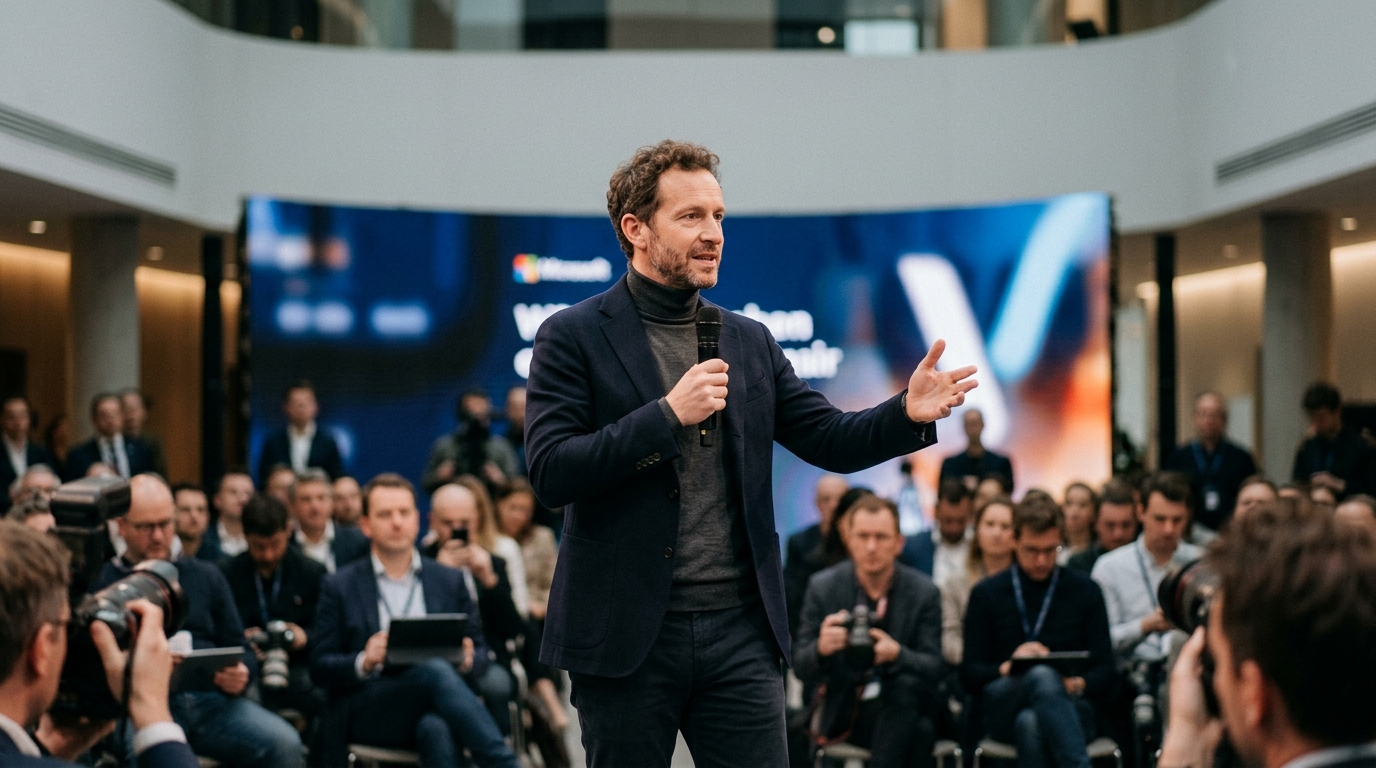
In the heart of Paris, where the European tech scene is striving to find its footing against American dominance, Mistral AI held its inaugural developer conference, sending a clear message: the era of being just a "friendly alternative" is over. Founded only three years ago by former Meta and Google DeepMind researchers, the company announced a sweeping expansion that puts it on a direct collision course with OpenAI and Anthropic.
From Le Chat to Vibe: Reimagining the Consumer Interface
The most immediate change for users is the rebranding of the company’s AI assistant. "Le Chat," which until now was seen as a simple playground for Mistral’s models, has been renamed Vibe. This shift is more than cosmetic. Vibe aims to be a comprehensive productivity platform, integrating capabilities that go far beyond simple text generation.
The new platform features "Canvas," a collaborative tool that allows users to edit code and text side-by-side with the AI, closely mirroring Anthropic’s Artifacts or OpenAI’s Canvas. However, Mistral is betting on speed and multimodality, providing access to the new Pixtral Large model, which can analyze images, documents, and complex charts with unprecedented precision for a European entity.
The Pivot to Industry 4.0 and Edge AI
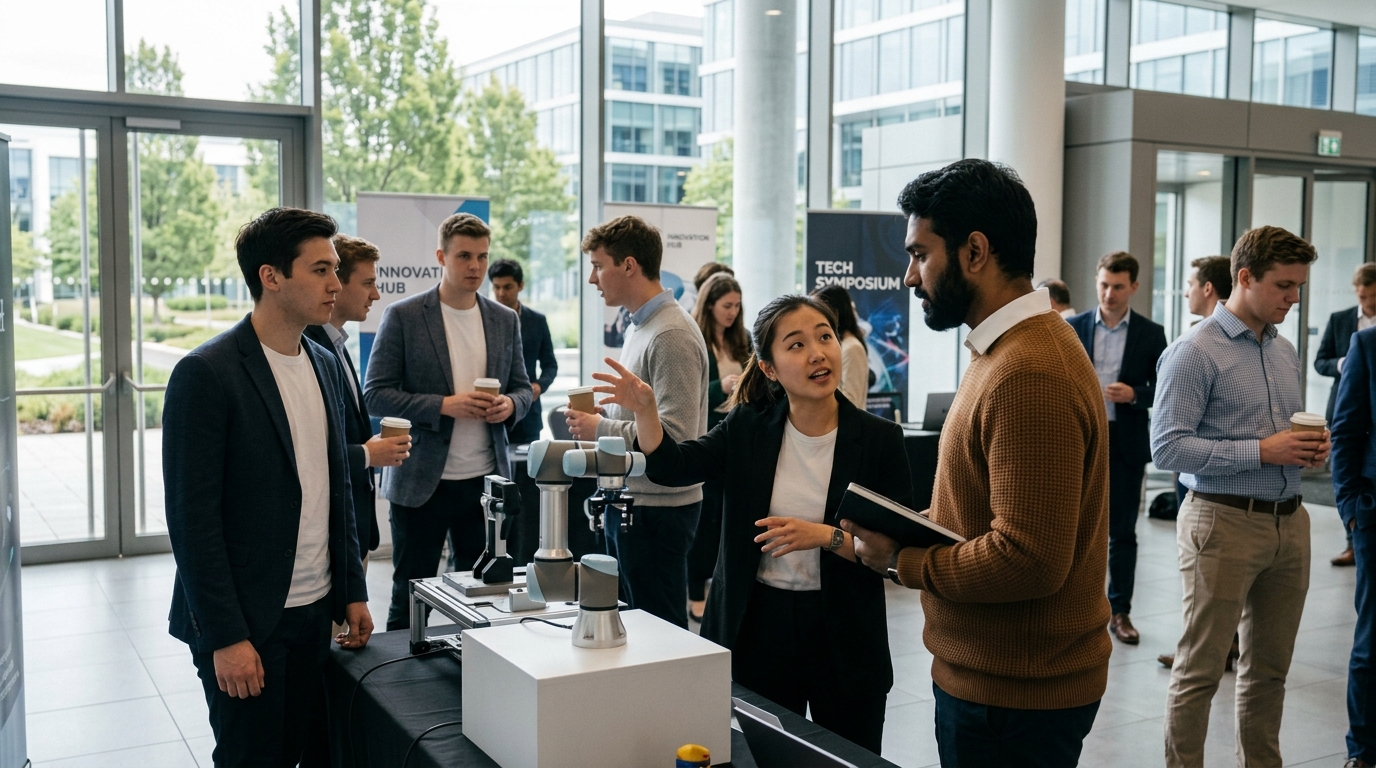
While OpenAI focuses on Artificial General Intelligence (AGI) and the mass consumer market, Mistral AI is carving a different, more "European" path: industry. The company announced Mistral Industrial, a suite of specialized models and tools designed for manufacturing, energy, and logistics.
This strategy is built on the concept of "Edge AI"—artificial intelligence that runs locally on factory floors or devices without needing a constant cloud connection. This is vital for European heavy industry, where data protection and infrastructure security are non-negotiable. Mistral is already collaborating with giants like Schneider Electric, proving that AI can have practical applications in optimizing production lines and predictive maintenance.
“We are not just building models. We are building the infrastructure for Europe’s next industrial revolution,” said Arthur Mensch, CEO of Mistral AI.
Data Sovereignty: The New Data Center in Essonne
Perhaps the most significant announcement from a geopolitical standpoint is the creation of a new inference data center south of Paris, in the Essonne region. To date, most European AI companies have relied on infrastructure from Microsoft (Azure), Google, or AWS. Mistral’s move to control its own computing power is a bold step toward "digital sovereignty."
The new data center will be used exclusively for running (inference) Mistral’s models, offering European businesses the assurance that their data never leaves European soil and is not subject to US laws like the Cloud Act. This vertical integration—from the model’s code to the hardware it runs on—makes Mistral the only serious player capable of guaranteeing full autonomy within the EU.
The Challenge to OpenAI’s Hegemony
The comparison with OpenAI is inevitable. However, Mistral follows a philosophy of "efficiency." Instead of creating ever-larger models that require entire nuclear power plants to operate, the French company focuses on parameter optimization. The new Mistral Large 2025, introduced at the conference, promises GPT-4o level performance at a significantly lower operational cost.
Furthermore, Mistral remains true to its roots regarding open access, albeit with conditions. While its most powerful models are now closed-source for commercial use, the company continues to offer versions for the developer community, fostering an ecosystem that OpenAI seems to have moved away from in its pursuit of profitability. The gamble for Arthur Mensch and his team is whether the European approach of safety and industrial specialization can overcome the raw financial power of American capital.