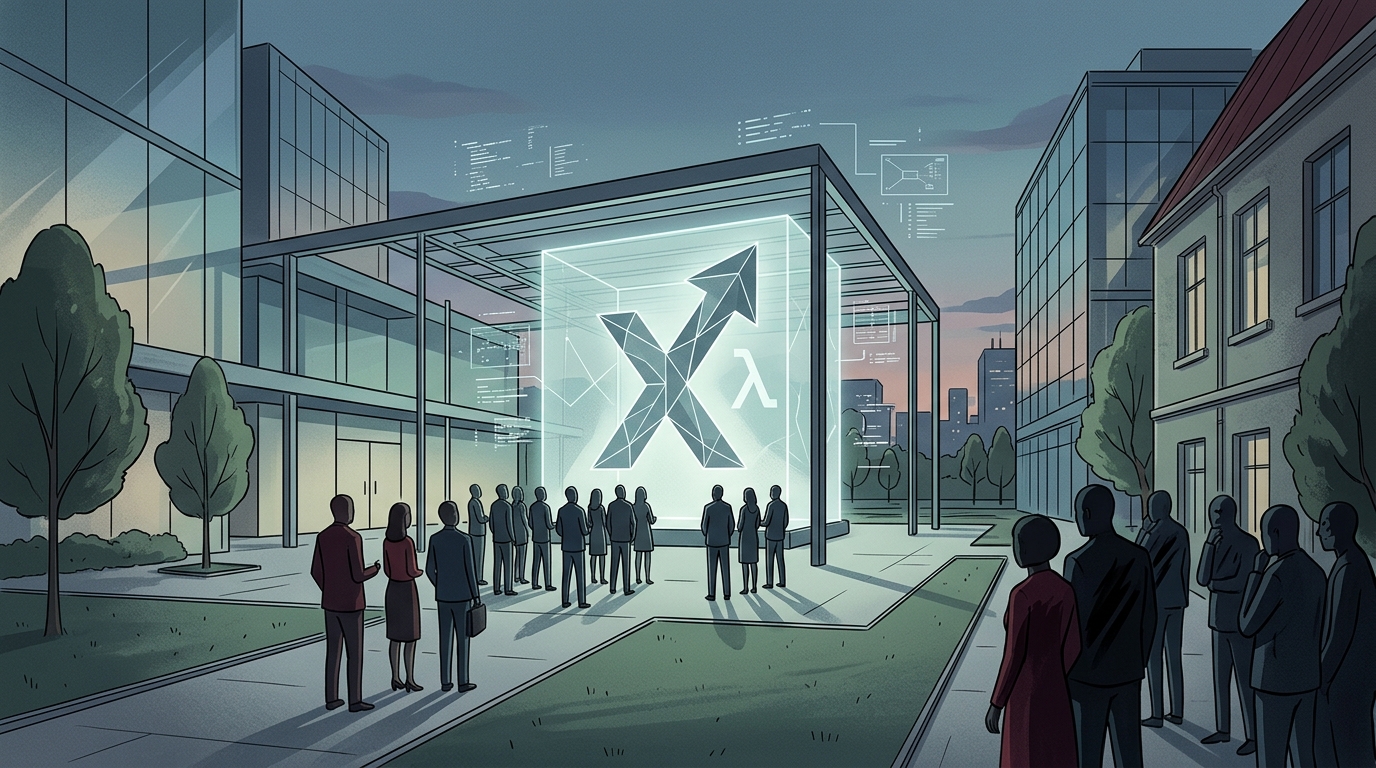
It is June 2026, and the tech giant from Redmond appears to be standing at the most critical juncture in its entertainment history. According to reports surfacing today, Microsoft is not only preparing a new wave of significant layoffs within its Xbox division but is also seriously considering a radical restructuring that could lead to the full independence of the brand. This news comes at a time when the gaming industry is still struggling to find its footing after the tectonic shifts brought about by the Activision Blizzard acquisition.
The Financial Weight of the Empire
Microsoft’s strategy in recent years has been built on an aggressive expansionist policy. The $69 billion acquisition of Activision Blizzard was the crown jewel of an effort to dominate content. However, by 2026, the reality of the numbers seems to be weighing heavily on Satya Nadella’s leadership. Profit margins on hardware remain slim, and the cost of maintaining such a gargantuan structure is becoming unsustainable, especially in an environment where shareholders are demanding immediate returns on Artificial Intelligence investments.
Rumors of an Xbox spin-off are not new, but they are gaining fresh momentum. An independent Xbox Corp. could operate with greater flexibility, free from the bureaucratic constraints of the parent company, and without burdening Microsoft’s balance sheet with the volatility of the gaming market. The question remains: can Xbox survive without Microsoft’s 'deep pockets,' or does Microsoft simply want to divest itself of the risks associated with hardware manufacturing?
The Enigma of Project Helix
Central to these developments is Project Helix, the codename for Microsoft’s next generation of gaming hardware. While fans of the platform were expecting a revolution in computing power and cloud integration, the latest reports suggest that Microsoft is reevaluating its plans. There are indications that Project Helix might not be a traditional console at all, but rather a hybrid device or even a software ecosystem designed to run across multiple third-party platforms.
- The Shift to Software: Microsoft has already begun releasing its flagship titles on rival platforms like the PlayStation 5 and Nintendo Switch.
- The Rise of Cloud Gaming: Xbox Cloud Gaming remains the great hope, but market penetration has not met original expectations.
- The Cost of Hardware: Manufacturing high-end consoles is a loss-leading activity that Microsoft may no longer be willing to subsidize.
This uncertainty surrounding Project Helix reflects a broader identity crisis. Is Xbox a platform, a service (Game Pass), or a game publisher? The answer to this question will determine the future for millions of players worldwide.
The Morning After and Market Implications
If Microsoft eventually moves forward with a spinoff, the gaming landscape will be irrevocably changed. An independent Xbox Corp. would have to renegotiate its relationships with content creators and find new ways to secure funding. Meanwhile, the impending layoffs suggest that the company is aiming for a 'leaner' operating model, which often signals preparation for a sale or a corporate split.
"The gaming industry is no longer a battle over who has the best box under the TV, but over who controls the user's attention on every screen," says a senior industry analyst.
In conclusion, Microsoft seems to be acknowledging that the 'walled garden' model is no longer sustainable for its business goals. Whether through a spinoff or a dramatic change in course, the Xbox we once knew is coming to an end. What emerges in its place will likely be an entity that prioritizes content distribution everywhere, leaving the era of traditional console wars in the rearview mirror.