In the fading light of May 2026, Meta Platforms Inc. finds itself at a critical crossroads that will define its trajectory for the next decade. Mark Zuckerberg, who for years championed the model of free services funded by advertising, appears to be bowing to the new reality of Generative AI. According to recent reports, the company is preparing to introduce a subscription model for advanced Meta AI capabilities, marking a historic departure from its traditional strategy. However, this move does not occur in a vacuum. As Meta attempts to forge new revenue streams, its rivals—most notably OpenAI and Elon Musk’s xAI—are launching a frontal assault on Zuckerberg’s "holy grail": digital advertising.
The Pivot to Subscriptions: The End of "Free"?
Meta's decision to weigh subscriptions for Meta AI is not merely an attempt to juice revenue. It is a necessity dictated by the staggering cost of compute power. With the advent of Llama 4 and upcoming multimodal models, the cost per user query has skyrocketed. Unlike a simple Instagram search or a Facebook post, generating complex answers, creating real-time video, and deploying advanced AI agents requires billions of dollars in GPU infrastructure.
Reports suggest Meta is planning a "freemium" model. The basic version of Meta AI will remain free, integrated across WhatsApp, Messenger, and Instagram, but users desiring access to the most powerful models, high-resolution creative tools, and specialized digital assistants for professional use will have to pay a monthly fee. This model closely mirrors ChatGPT Plus and Google One AI Premium, creating a new competitive arena where the value of information is measured by the month rather than by the click.
The Rival Counter-Attack: Targeting Ads
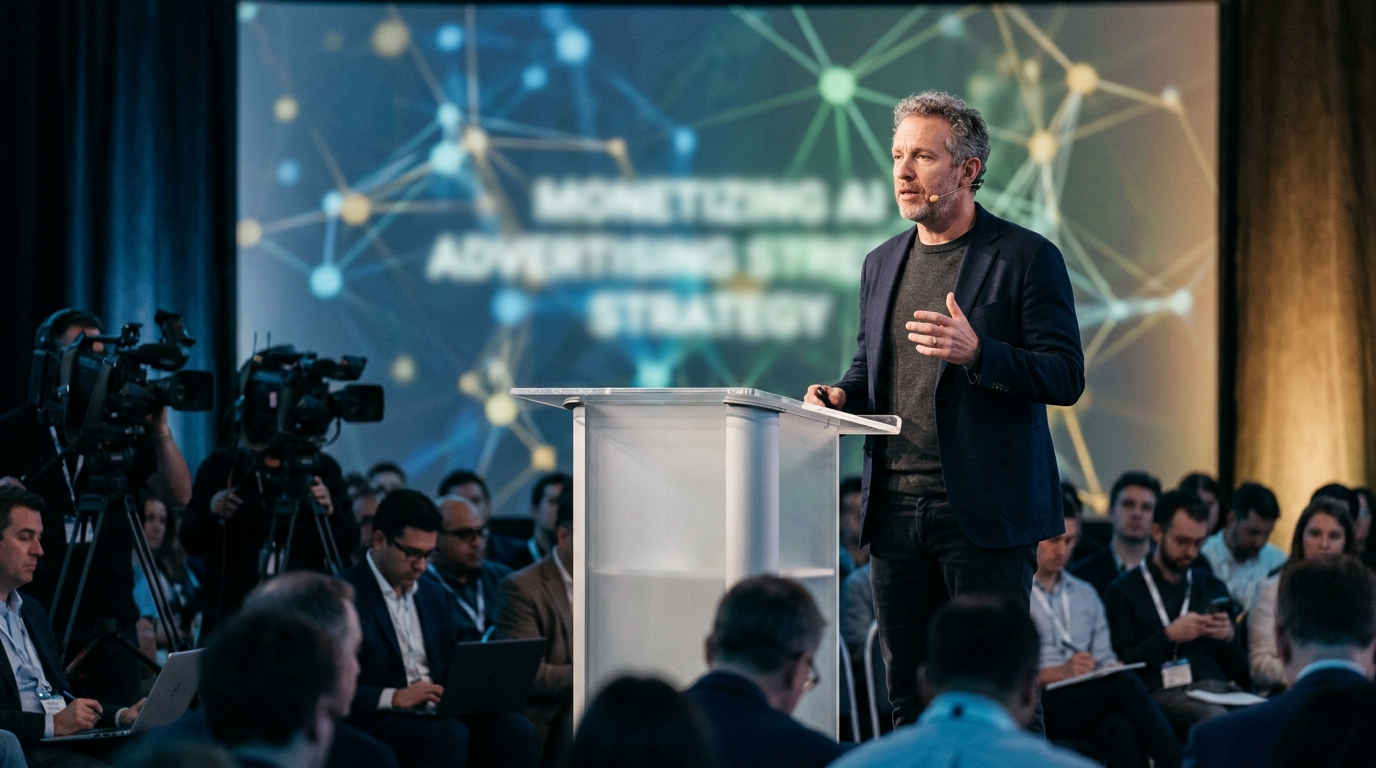
While Meta looks toward subscriptions, OpenAI and xAI are doing the opposite: entering the advertising space. OpenAI, through SearchGPT and its publisher partnerships, is developing a system where AI responses include sponsored content in a way that is far more organic and targeted than traditional banner ads. The threat to Meta is existential. If users begin spending more time interacting with an AI chatbot to make purchasing decisions instead of scrolling through an Instagram feed, the value of Meta’s ad inventory will collapse.
Elon Musk, on the other hand, is leveraging X’s (formerly Twitter) real-time data to train Grok, which now offers businesses trend analysis tools that directly compete with Meta’s insights. xAI appears to be building an ecosystem where advertising is not a disruptive interruption but a piece of information provided by the AI at the exact moment the user needs it. This "intent-based advertising" is far more effective than the "interruption advertising" Meta has relied on for two decades.
Open Source Strategy as a Shield
Zuckerberg’s answer to this siege is Llama. By releasing the model as open source (or "near" open source), Meta has successfully fostered a massive ecosystem of developers who improve its technology for free. This reduces development costs and makes Meta AI the de facto standard for many enterprises. The strategy here is clear: if you can’t control the whole pie, become the infrastructure upon which everything is built.
However, risks remain. Regulators in the European Union are closely monitoring the use of user data to train these models. Meta was recently forced to delay the launch of certain AI tools in Europe due to privacy concerns. This gives an advantage to competitors who may have more flexible legal structures or different approaches to data harvesting.
Conclusion: The New Economy of Intelligence
2026 finds Meta in a state of metamorphosis. The company is no longer just a social media giant but an AI infrastructure firm. The success of subscriptions will depend on whether Meta can offer something the free internet cannot: genuine, personalized utility that saves time and money. Simultaneously, the battle for ad dollars is shifting from "likes" to "conversations." In this new world, the winner will not be the one with the most users, but the one who owns the smartest interface between the user and their needs. Meta is betting it can be both, but the road is fraught with challenges and powerful rivals with nothing to lose.