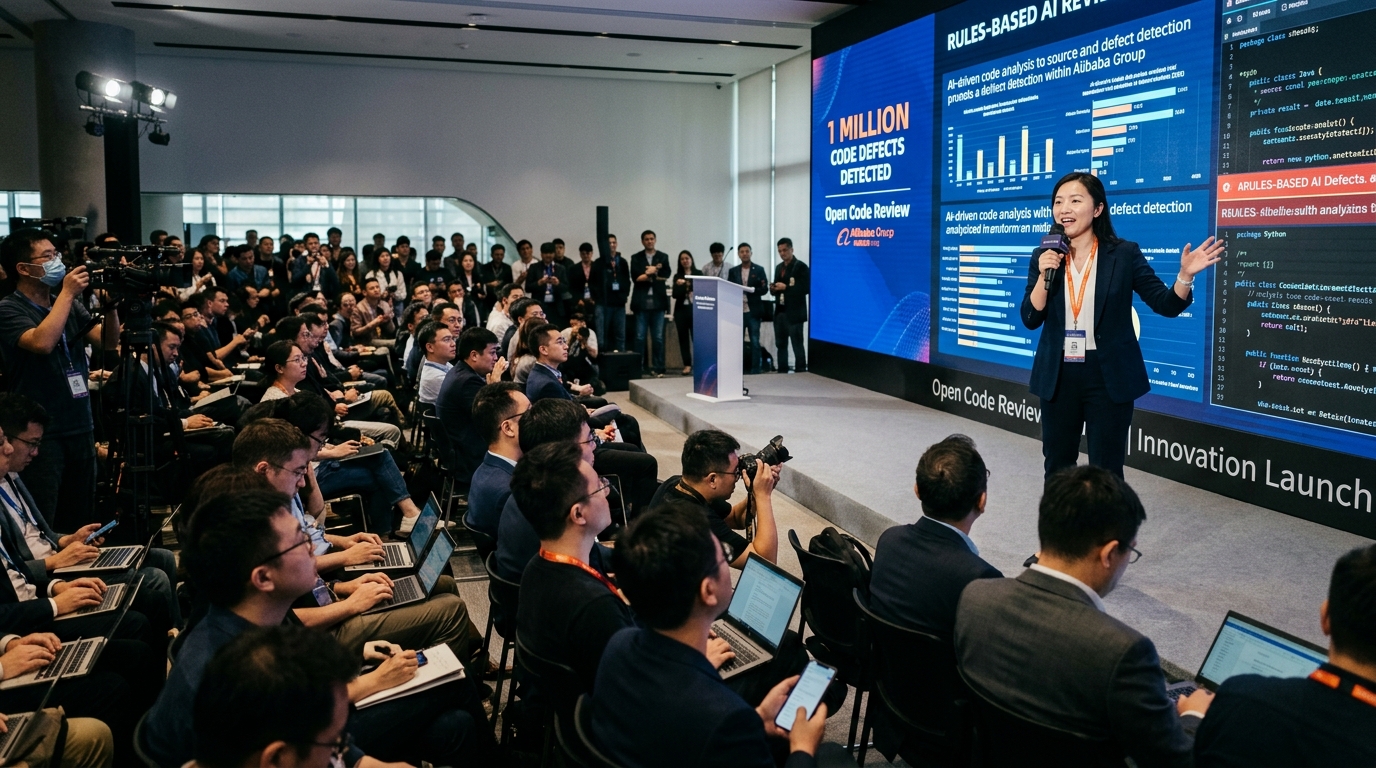
The global AI chessboard is undergoing one of its most dramatic shifts in history as ByteDance (the parent company of TikTok) and Alibaba, two of the world's largest consumers of computational power, pivot massively toward Huawei. This move is not merely a commercial decision; it is a strategy for survival and autonomy in the face of escalating U.S. chip export restrictions, particularly those targeting Nvidia’s high-end silicon.
Geopolitical Pressure and the End of Nvidia’s Monopoly
For years, Nvidia has been the undisputed sovereign of the data center. Its H100 and A100 series chips were the "gold" powering Large Language Models (LLMs). However, stringent U.S. controls aimed at curbing Chinese military and technological prowess have forced Nvidia to offer "nerfed" versions, such as the H20, to the Chinese market. While legal to export, these versions offer significantly reduced performance compared to the flagship models utilized in Silicon Valley.
According to recent reports emerging from tech forums in Azerbaijan—a rising hub connecting Eastern technology with Western markets—ByteDance and Alibaba have already ordered tens of thousands of Ascend 910B chips from Huawei. This choice indicates that the Chinese tech industry is no longer willing to settle for Nvidia’s leftovers, preferring to invest in domestic solutions that, while still slightly trailing in raw power, offer supply stability and political security.
Huawei Ascend 910B: The Rival No One Expected
The Huawei Ascend 910B is now considered the most serious competitor to Nvidia’s A100 within China. Technical analyses show that in specific AI training tasks, Huawei’s chip reaches nearly 80% of Nvidia’s performance, but with one massive advantage: it is readily available and immune to sudden changes in U.S. legislation. ByteDance, which relies on massive recommendation algorithms for TikTok and Douyin, requires hundreds of thousands of GPUs. Depending on a company that could have its supply cut off at any moment represented an unacceptable business risk.
- Strategic Autonomy: Alibaba is developing its own cloud ecosystem (Alibaba Cloud) using hybrid solutions that now integrate Huawei silicon.
- Cost and Performance: Despite higher production costs due to lithography restrictions, Huawei offers attractive support packages to lure big tech.
- The CANN Ecosystem: Huawei is investing billions in its CANN software, a direct rival to Nvidia’s CUDA, to ease the transition for developers.
The Software Challenge and the Road Ahead
The greatest hurdle for Huawei is not hardware, but software. Nvidia dominates because of CUDA, a platform that AI developers worldwide have used for a decade. Transitioning from CUDA to Huawei’s CANN is a painful process requiring code rewrites and model optimization. However, ByteDance has deployed thousands of software engineers to bridge this gap, creating intermediate tools that allow their models to run seamlessly on Chinese silicon.
"We don't choose Huawei because it's cheaper, but because it's the only one that guarantees our data centers will still be running tomorrow," a senior Alibaba executive reportedly stated at a conference in Baku.
This evolution has broader implications. If China succeeds in creating a fully independent AI ecosystem, the global market will split in two. On one side, the West with Nvidia and CUDA; on the other, China with Huawei and CANN. This "technological Cold War" is forcing third-party nations, particularly in Central Asia and the Caucasus, to choose sides, with Azerbaijan emerging as a critical mediator for technological flow between these two worlds.
Conclusion
The pivot of ByteDance and Alibaba toward Huawei is the definitive confirmation that U.S. sanctions may have achieved the opposite of their intended effect: instead of crippling Chinese technology, they accelerated the rise of a domestic giant. Nvidia remains the technical leader, but Huawei is winning the battle of survival and strategic importance in the world’s most populous market. 2026 will be remembered as the year the East's dependence on Silicon Valley began to fade.