In the high-stakes world of tech startups, where disrupting established norms is often seen as a badge of honor, Ryan Breslow, the founder and executive chairman of Bolt, has made a move that feels more like a dark comedy script than a standard corporate strategy. The revelation that the company has effectively abolished its Human Resources (HR) department, replacing it with AI-driven systems and a philosophy of "direct accountability," has ignited a fierce debate about the future of work and the limits of corporate rationalism.
The Philosophy of 'Friction' and the Removal of the Middleman
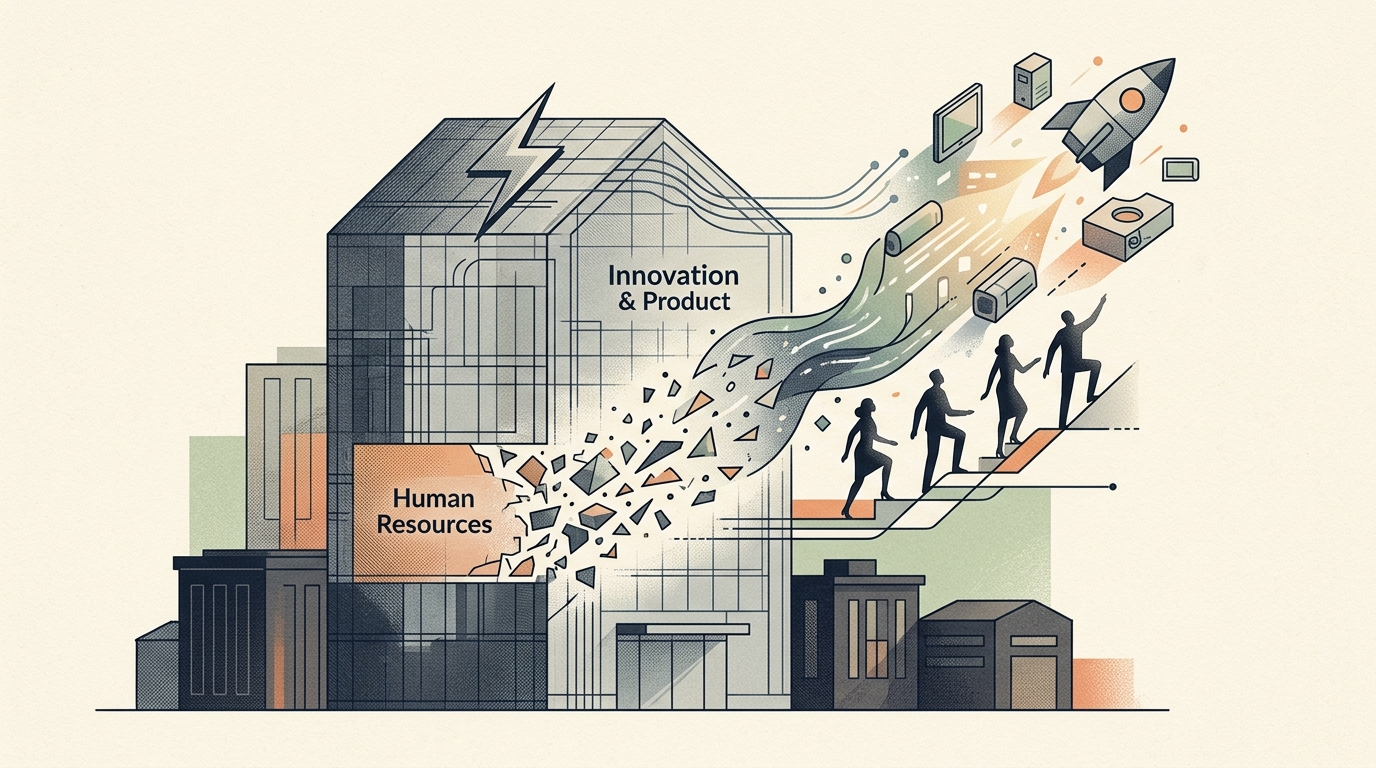
Breslow did not mince words. In recent statements, he described HR as a source of "friction" that often impedes speed and innovation. According to him, HR departments tend to create bureaucratic processes that protect their own existence rather than the company's productivity. At Bolt, the approach is now radical: team managers take direct responsibility for hiring, firing, and conflict resolution, without the "safety net" or filter of an intermediary department.
This move is not merely a cost-cutting exercise, although financial pressures in the fintech sector are undeniable. It is an ideological stance. Breslow argues that AI can now handle the standardized tasks of HR, such as payroll, benefits management, and regulatory compliance, leaving human relationships to evolve organically between employees and their supervisors. However, critics point out that this "organic" evolution can easily devolve into a corporate jungle.
Artificial Intelligence as the New People Manager
The use of AI at Bolt isn't limited to simple chatbots for insurance queries. The company aims to automate performance data collection, using algorithms to identify which employees are performing and which are lagging. In Breslow's vision, AI is an impartial judge, unaffected by personal biases or office politics. In reality, however, the lack of human oversight on sensitive issues raises serious questions about ethics and fairness.
Without an HR department acting as a safety valve, what happens in cases of harassment or discrimination? Breslow claims a culture of transparency will solve these issues, but the history of Silicon Valley startups suggests otherwise: without structured grievance mechanisms, power tends to concentrate in a few hands, leaving the vulnerable unprotected. AI, no matter how sophisticated, lacks the empathy or judgment required to manage the complexities of human psychology in a workplace.
Risks and Legal Implications
Bolt's decision to operate without traditional HR is a legal nightmare waiting to happen. In the US, and even more so in Europe with strict GDPR and labor law regulations, the absence of specialists in personnel management can lead to costly litigation. Terminations that are done "fast and clean," as Breslow describes them, often violate employees' procedural rights, leading to wrongful termination lawsuits.
Furthermore, there is the risk of eroding corporate culture. HR, despite its flaws, plays a crucial role in maintaining cohesion and trust. When employees feel they are just numbers on a spreadsheet monitored by an AI, their commitment to the company wanes. Bolt risks creating a high-pressure, low-psychological-safety environment where innovation is stifled by the fear of the next algorithmic audit.
The Future of Work: A Warning Sign
The Bolt case might be extreme, but it reflects a broader trend toward "algorithmic management." As companies look for ways to become more agile, the human dimension of work is often sacrificed for speed. Breslow may believe he is freeing Bolt from the shackles of bureaucracy, but in reality, he may be constructing a system where human value is measured solely in terms of digital output.
The question remains whether other companies will follow suit. If Bolt manages to thrive without HR, it will give the green light to a new generation of CEOs to dismantle traditional employee support structures. If it fails, it will serve as an expensive lesson that while technology can enhance business, it cannot replace the need for human connection, fairness, and ethical leadership.