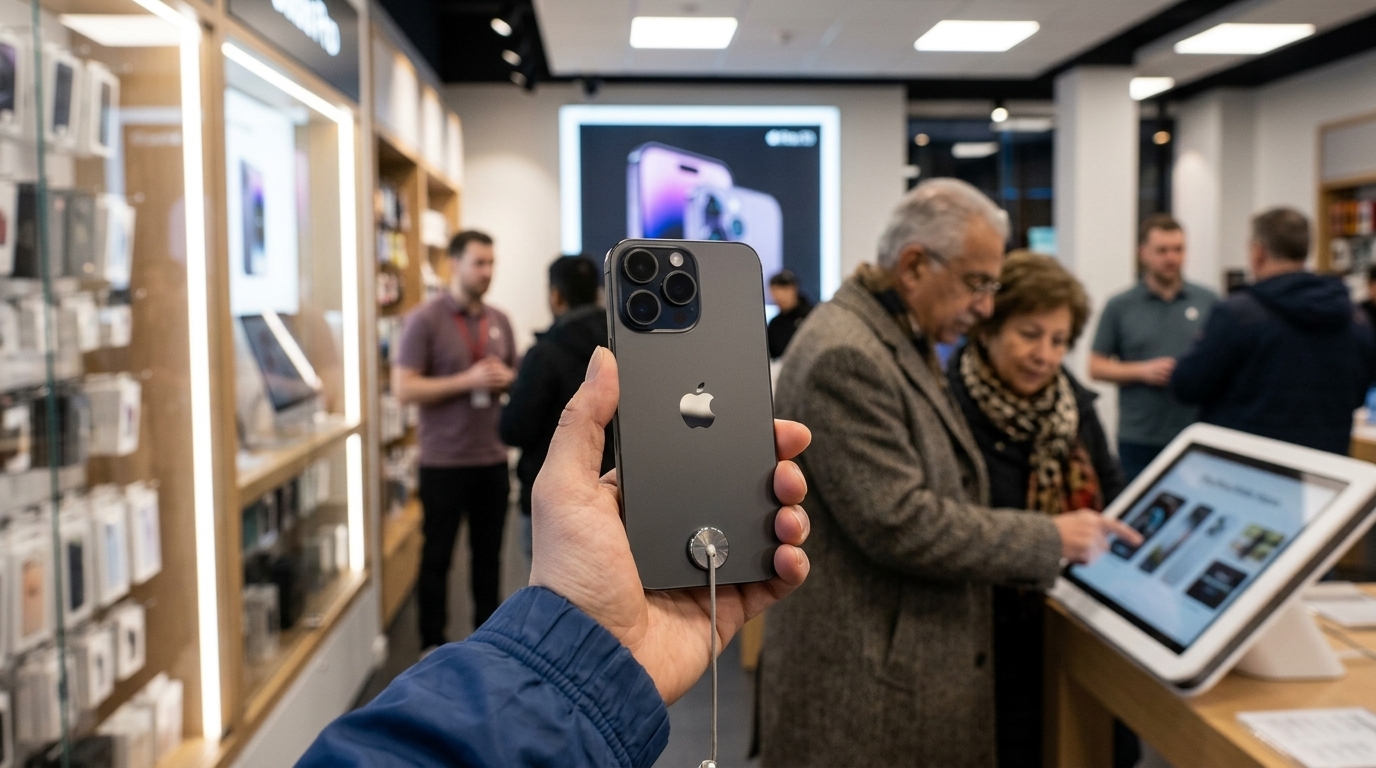
In the high-stakes world of Silicon Valley, the gap between a flashy keynote presentation and the actual user experience can sometimes carry a hefty price tag. For Apple, that gap has been officially valued at $250 million. The Cupertino-based tech giant has reached a landmark settlement to resolve a class-action lawsuit accusing it of making misleading promises regarding the artificial intelligence capabilities of its latest devices.
The Anatomy of an Unfulfilled Promise
It all began with the highly publicized announcement of "Apple Intelligence." At a time when Wall Street was exerting immense pressure on the company to prove it hadn't fallen behind Microsoft and Google in the AI race, Apple unveiled a vision where the iPhone would become the ultimate personal assistant. However, as months rolled by, users and investors alike realized that the most impressive features—from a fully revamped Siri to deep ChatGPT integration—remained perpetually labeled as "coming soon."
The lawsuit alleged that Apple used AI as bait to bolster sales of the iPhone 15 Pro and the iPhone 16 series, knowing full well that the software would not be ready within the timelines suggested by its marketing campaigns. What critics call "AI washing"—the over-hyping of AI capabilities that don't yet exist—was at the very heart of this legal battle.
The Strategy of a Silent Settlement
Apple's decision to pay $250 million is not an admission of guilt, but rather a strategic maneuver to avoid a protracted and public legal spectacle. In court filings, the company continues to deny any wrongdoing, maintaining that AI development is a dynamic process subject to unforeseen technical hurdles. However, the sheer size of the settlement suggests that the company's legal counsel recognized the risk of a verdict that could irreparably damage the brand's reputation for integrity.
"Trust is Apple's most expensive product. When consumers purchase an iPhone based on future promises that fail to materialize, the damage extends far beyond the balance sheet," noted several market analysts.
This settlement comes at a time when Apple is facing increased scrutiny from the European Union as well. The rollout of Apple Intelligence hit significant regulatory roadblocks due to the Digital Markets Act (DMA), creating a two-tier experience where European users felt like "second-class citizens," paying premium prices for devices stripped of their headline features.
Implications for the Future of Apple Intelligence
Despite the financial blow, Apple is not backing down from its AI roadmap. On the contrary, the settlement allows the company to clear the deck and focus on the actual deployment of features. Recent iOS updates have finally begun to integrate certain elements of Apple Intelligence, but the full vision is still on the horizon. The challenge for Tim Cook and his team is now twofold: delivering the technology they promised and restoring investor confidence that Apple can still innovate with its historic velocity.
The lesson from this case is clear for the entire tech industry. The era where marketing could outpace engineering by lightyears appears to be closing. With regulators and consumers more vigilant than ever, "Artificial Intelligence" cannot simply be a buzzword used to inflate stock prices; it must be backed by tangible, functional products.
Conclusion: A Costly Reminder
While $250 million is a drop in the bucket compared to Apple's massive cash reserves, its symbolic weight is enormous. It serves as an admission that even the world's most powerful corporations are not above scrutiny regarding the accuracy of their claims. As the AI race accelerates, Apple must prove that "Think Different" doesn't mean "Think Hypothetically."