In a move poised to reshape the legal technology landscape, Anthropic PBC announced on Tuesday the release of twelve new specialized tools and plugins for its Claude chatbot, targeting the heart of the legal industry. This development comes months after the startup’s initial, quieter entry into the sector sparked a sharp selloff in software stocks, as investors began to grasp the existential threat generative AI poses to established business models.
The Strategy of Vertical Expansion
Anthropic’s latest push is not merely a feature update; it is a strategic pivot toward vertical specialization. These new tools are designed to automate complex tasks that previously required hundreds of hours from junior associates and legal clerks. Features include advanced contract analysis, case law synthesis from vast databases, and the identification of subtle inconsistencies within multi-thousand-page legal filings.
Anthropic’s competitive edge remains Claude’s massive context window, which allows it to process entire document libraries in a single session. In the legal world, where detail is everything, an AI’s ability to "remember" a clause on page 500 and correlate it with a precedent on page 2,000 is invaluable. Company executives stated that the new plugins were developed with an emphasis on "Constitutional AI," a methodology that ensures the model’s outputs align with ethical and legal frameworks, minimizing the "hallucinations" that are every lawyer's nightmare.
Market Disruption and the Fall of Legacy Software
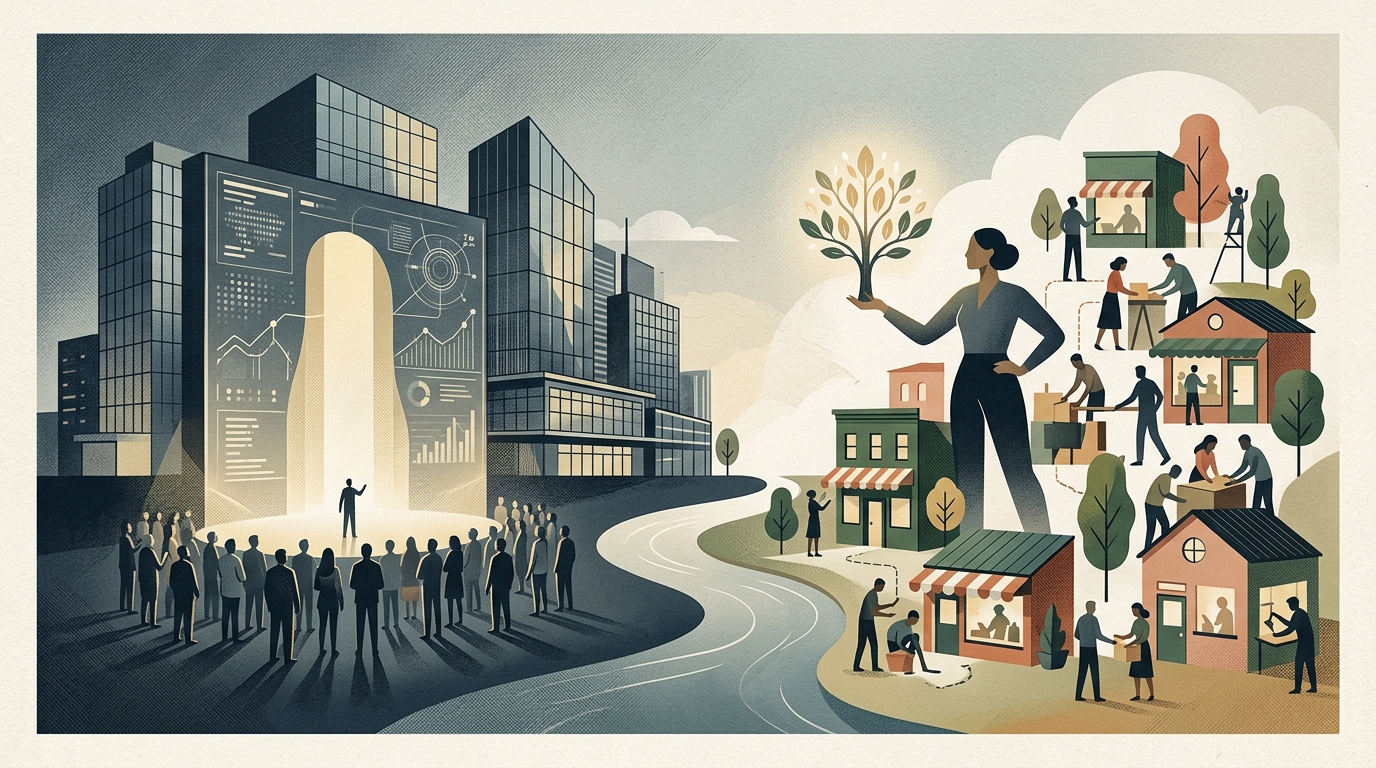
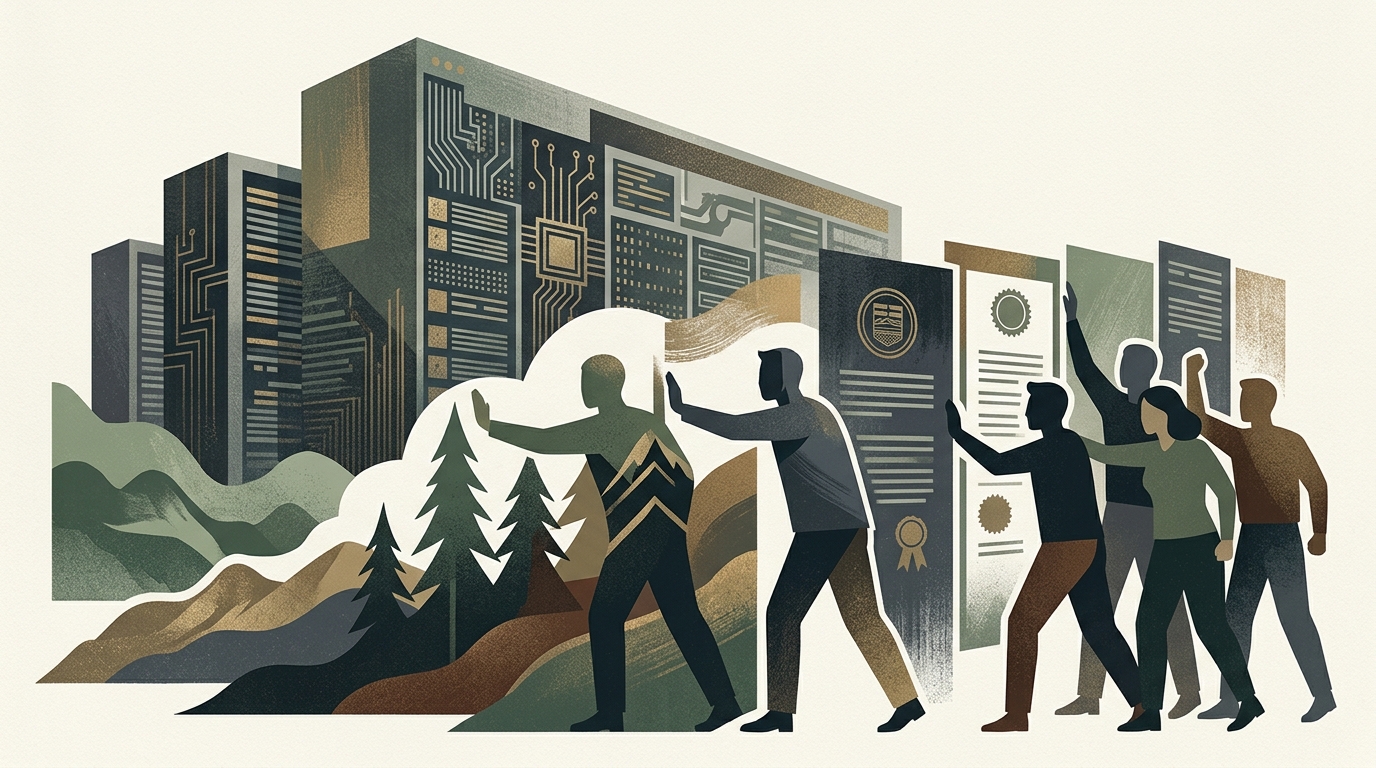
Tuesday’s announcement immediately sent ripples through the financial markets. Traditional legal data and software providers, such as Thomson Reuters and LexisNexis, now face a competitor offering greater flexibility at a fraction of the cost. The market appears to be pricing in a future where expensive subscriptions to specialized legal databases might be replaced by agile AI models acting as autonomous legal researchers.
"We are not just seeing the improvement of a tool, but the replacement of the foundations of legal research," says a Wall Street analyst. "When a company like Anthropic offers tools that perform the work of a junior associate in seconds, the billable hour structure begins to crumble."
Anthropic seems to have learned from its previous low-key releases. This new suite is a comprehensive ecosystem. The plugins allow Claude to connect directly to a law firm’s internal document management systems while maintaining strict encryption and privacy protocols—a non-negotiable requirement for legal ethics and client privilege.
Ethical Dilemmas and the Future of the Bar
Despite the excitement, the deep penetration of AI into the justice system raises profound questions. Reliability remains the most critical concern. While Anthropic claims the new tools reduce errors by 40% compared to previous iterations, the ultimate liability rests with the human attorney. How can we ensure that "artificial judgment" does not substitute for human ethical deliberation?
- Automated drafting of pleadings based on local jurisdictional rules.
- Real-time contract benchmarking against industry standards.
- Predictive analytics for court rulings based on historical judge behavior.
- Evidence management and categorization for large-scale litigation.
In conclusion, Anthropic’s move signals the end of the era of general-purpose chatbots and the dawn of "digital specialists." For legal professionals, this means either adopting these tools to augment their productivity or facing a market that no longer values traditional, labor-intensive methods. May 12, 2026, may well be remembered as the date the legal profession officially changed its operating system.