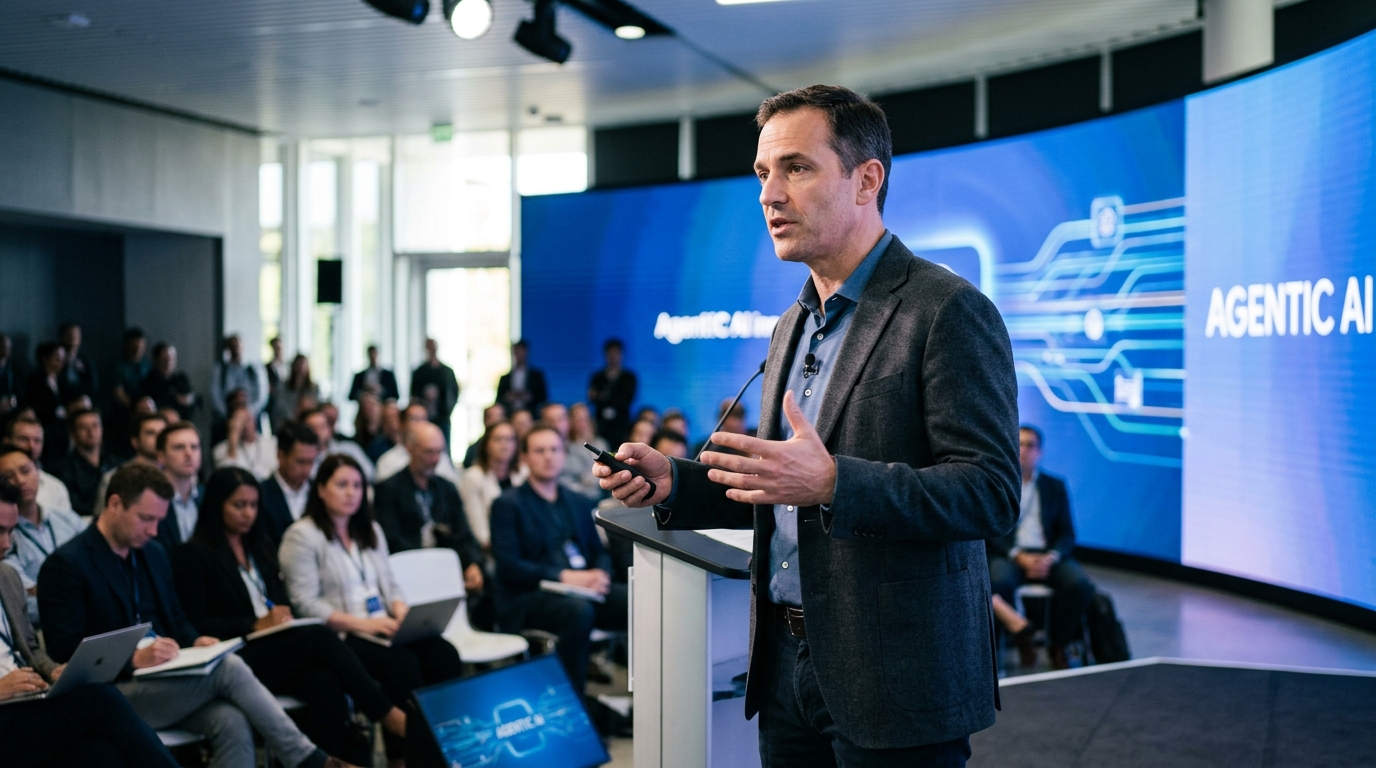
Alibaba, once the undisputed titan of Chinese e-commerce, finds itself at a critical juncture. As the company attempts to recover from years of regulatory crackdowns by Beijing and fierce competition from the likes of PDD Holdings (Pinduoduo) and ByteDance, a new technological challenge is emerging on the horizon: Agentic AI. This new generation of artificial intelligence, which goes beyond mere text generation to perform autonomous actions, threatens to dismantle the very revenue model upon which Jack Ma’s empire was built.
The Threat of Autonomous Agents to Traditional E-commerce
Agentic AI represents a paradigm shift in how consumers interact with the digital world. Unlike today’s chatbots, AI "agents" can navigate websites, compare prices, read reviews, and complete purchases on behalf of a user. For Alibaba, this is a direct threat to Alimama, its digital advertising arm and primary source of profitability. If users stop "browsing" through Taobao and Tmall pages and instead delegate the shopping task to a digital assistant, the value of ad placements and promoted products could collapse.
The traditional shopping experience relies on discovery and impulse buying. Alibaba’s algorithms are designed to keep users in the app for as long as possible. However, an AI agent seeks efficiency. If the agent selects a product based on objective criteria rather than which merchant paid for the top search spot, Alibaba loses its ability to monetize consumer attention. This disintermediation could lead to a significant contraction in margins, forcing the company to fundamentally rethink how it charges its merchants.
Cloud Computing and the Geopolitical "Silicon Curtain"
Alongside retail challenges, Alibaba Cloud faces its own hurdles. AI requires massive computational power, and access to advanced semiconductors is vital. U.S. export restrictions on high-end Nvidia chips (such as the H100 and H200) have created a significant gap between Chinese firms and their American counterparts like Microsoft (Azure) and Amazon (AWS).
Alibaba is attempting to bridge this gap by developing its own large language models, such as Qwen (Tongyi Qianwen), which has shown impressive results in open-source benchmarks. However, the lack of top-tier hardware means training these models is slower and more expensive. Furthermore, domestic competition in China is cutthroat. Tencent and Baidu offer similar Cloud services, leading to a "price war" that erodes revenue at a time when AI infrastructure investments must skyrocket.
Strategic Pivot and the Future of the Stock
Investors are viewing Alibaba’s stock (NYSE: BABA) with skepticism. Despite an attractive valuation based on fundamentals (low P/E ratio), the uncertainties surrounding Agentic AI add a new layer of risk. Alibaba’s management, led by CEO Eddie Wu, has adopted an "AI-First" mantra, attempting to integrate AI into every facet of its operations. The hope is that Alibaba will create its own dominant AI agents, thereby maintaining control over the ecosystem.
- Integrating Qwen into Cainiao’s logistics platforms to optimize delivery routes and warehouse management.
- Utilizing AI to automate customer service and content creation for merchants.
- Developing "smart" shopping assistants that attempt to keep the user experience within Alibaba’s ecosystem.
In conclusion, Alibaba is no longer just fighting other companies; it is fighting a technological shift that could render its current business model obsolete. Its ability to transform from a "digital high street" into an "AI infrastructure provider" will determine whether it remains relevant in the coming decade or becomes a low-growth legacy giant managing its past successes.