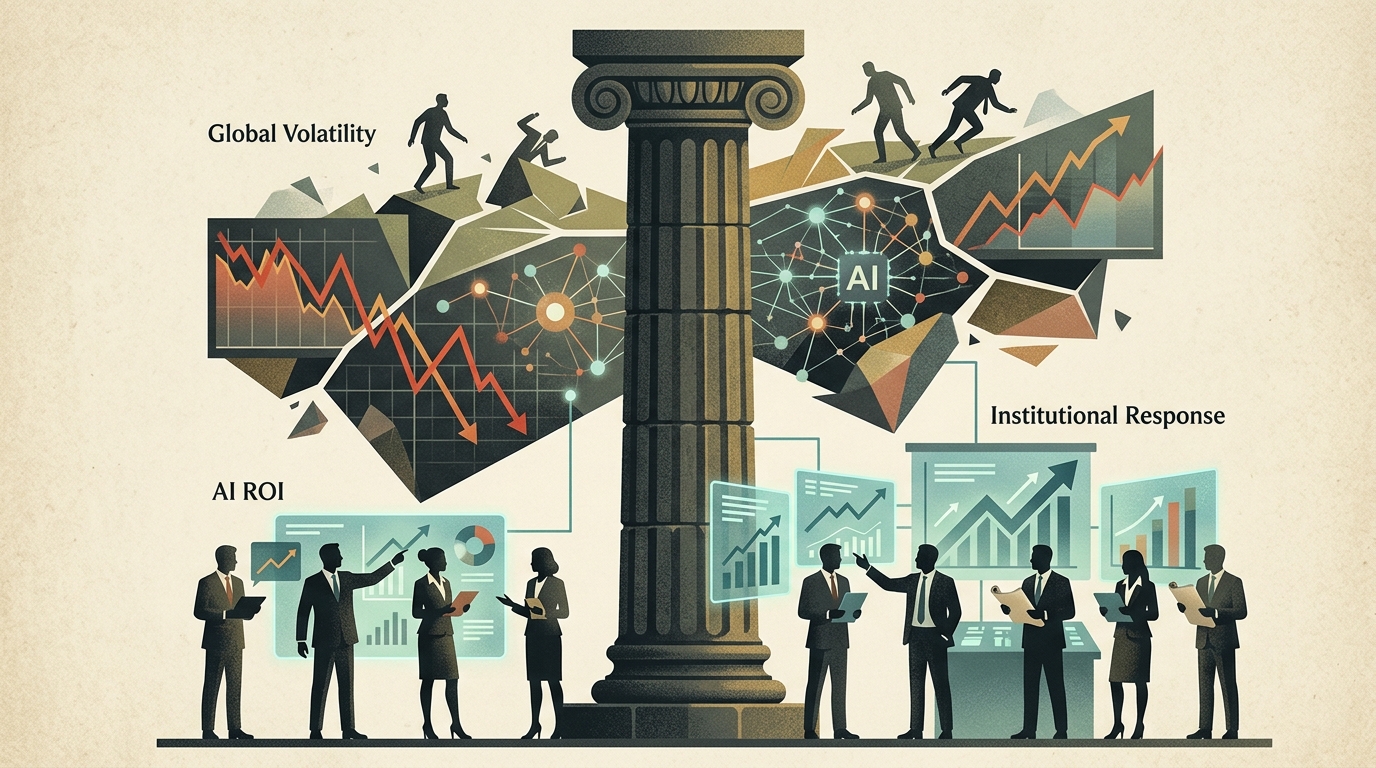
In the hallowed halls of the Eccles Building in Washington, the air of change no longer smells merely of ink and old economics textbooks; it increasingly resembles the sterile environment of a Silicon Valley data center. The announcement of the new members of the Federal Reserve’s AI Task Force marks a historic turning point. Under the leadership of Chairman Kevin Warsh, the U.S. central bank is not merely viewing AI as an external market phenomenon but is integrating it into the very core of its decision-making process.
The Composition of the New Elite and Warsh’s Vision
The new task force is a blend of top-tier economists, data scientists, and former executives from technology giants. What unites them is a shared conviction with Kevin Warsh that traditional economic models—relying on statistical data lagged by weeks or months—are now inadequate. Warsh, known for his penchant for challenging the status quo, appears to be building a Fed that operates at algorithmic speeds.
The selection of these individuals shows a clear preference for those who understand machine learning not as an automation tool, but as a predictive engine. According to insiders, the group will focus on developing proprietary models to analyze billions of data points in real-time—ranging from credit card transactions to supply chain shifts via satellite imagery—to forecast inflation before it ever hits official indices.
From the 'Dot Plot' to Neural Algorithms
For decades, the Fed relied on the famous "dot plot" and lengthy debates over interest rates. The new approach promises to make monetary policy more "surgical." The use of AI allows for the creation of "digital twins" of the American economy, where policymakers can simulate thousands of rate hike or cut scenarios within seconds.
- Inflation Forecasting: Real-time analysis of consumer behavior and pricing power.
- Systemic Risk: Identifying market bubbles before they burst by detecting liquidity anomalies.
- Transmission Efficiency: Understanding how rate changes impact different socioeconomic strata and geographic regions uniquely.
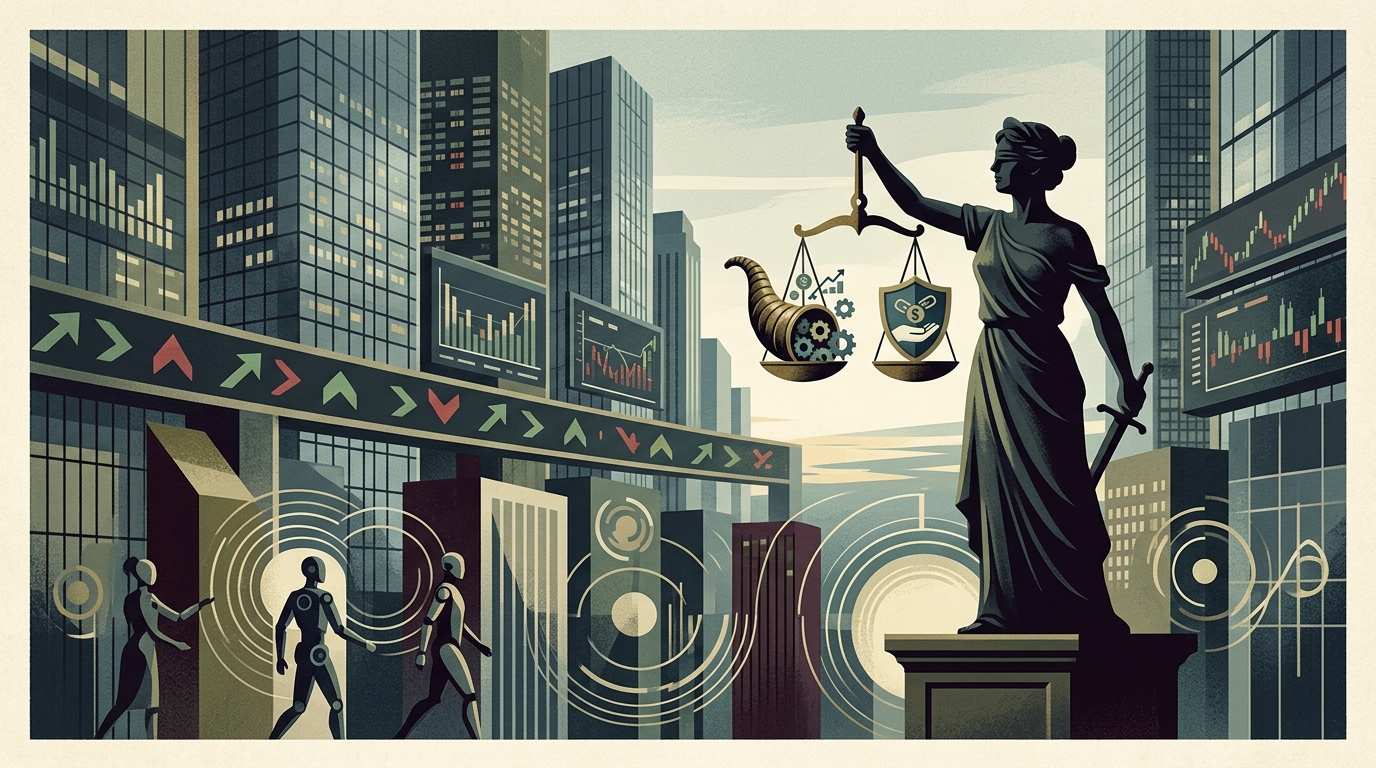
However, this transition is not without risks. Criticism centers on the "black box" problem. If an algorithm suggests an aggressive rate hike that triggers a recession, how will Warsh explain it to Congress? Accountability remains the primary hurdle in an era of automated economic governance.
"Artificial intelligence will not replace the judgment of central bankers, but it will propel it to a level of precision we previously thought was science fiction," a close associate of Warsh reportedly stated.
The Geopolitical Dimension and Dollar Dominance
This is not just about the domestic economy. The Fed’s move to lead in AI is also a geopolitical statement. In a world where China and the European Central Bank are experimenting with digital currencies and algorithmic oversight, the Fed seeks to ensure the dollar remains the world's "smartest" currency. Integrating AI into the Fed is seen as essential for managing risks posed by cryptocurrencies and new forms of digital money that threaten dollar hegemony.
In conclusion, Kevin Warsh’s new task force is not merely an advisory committee. It is the harbinger of a new era where monetary policy will be conducted with the power of data and the speed of light. The remaining question is whether human wisdom will stay at the helm or become a mere observer of the decisions made by machines.