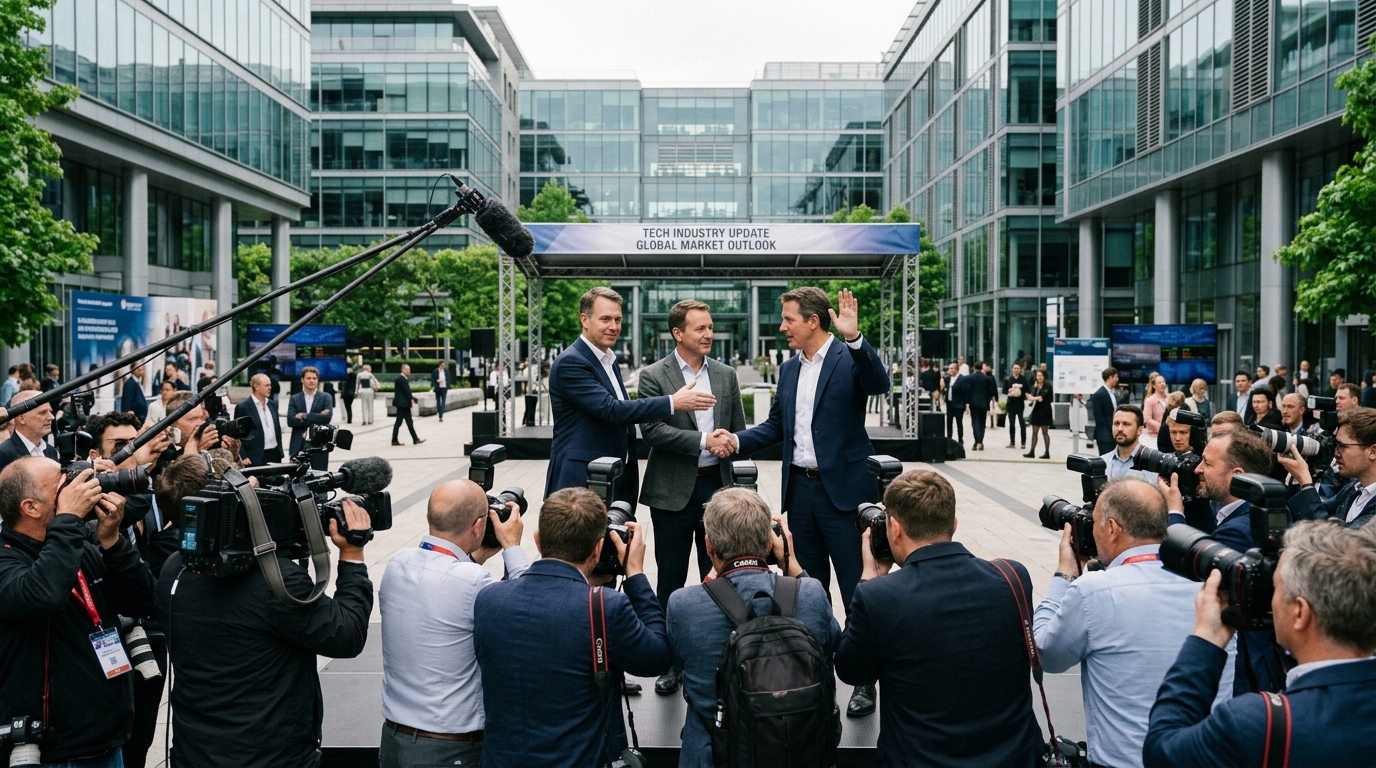
June 1, 2026, will likely be recorded as the day the Artificial Intelligence "bubble" refused to burst, choosing instead to become institutionalized. According to exclusive reports from Bloomberg, Anthropic PBC has confidentially filed draft registration statements for its initial public offering (IPO), signaling the start of a period analysts are already calling "The Great Silicon Valley Reckoning." With OpenAI preparing its own historic market debut and SpaceX considering a Starlink spin-off, the fall of 2026 is shaping up to be the most significant period for capital markets since the rise of Google and Facebook.
Anthropic’s Strategy: Ethics vs. Capital
Anthropic, the company founded by former OpenAI executives with a focus on AI safety, appears to be making the first move in the public market chess game. Its decision to maintain its structure as a Public Benefit Corporation (PBC) is an unprecedented experiment for Wall Street. As a PBC, Anthropic is legally obligated to balance shareholder interests with social benefit and the safe development of AI.
However, the capital requirements are relentless. Training the Claude 4 model requires infrastructure worth tens of billions of dollars. Support from Amazon and Google has provided the necessary fuel so far, but the transition to the stock market suggests that the scale of AI has outgrown even the capabilities of the world's largest venture capital funds. Investors will be forced to decide if "safe AI" is a product that can generate dividends or if the self-imposed constraints will act as a drag on profitability.
OpenAI: The Transformation into a Corporate Giant
Simultaneously, Sam Altman’s OpenAI is undergoing a painful but necessary transformation. The complex structure that linked the non-profit arm with the for-profit subsidiary is being completely reshaped to satisfy Securities and Exchange Commission (SEC) requirements. OpenAI’s anticipated valuation, rumored to be approaching $200 billion, makes it the most significant listing in tech history.
Pressure from Microsoft is intense. Redmond wishes to see its investment partially liquidated, while thousands of OpenAI employees, holding options worth millions, are demanding liquidity. The battle between Anthropic and OpenAI is no longer just technological; it is a battle for who will define the rules of the "intelligence economy" in the public markets.
SpaceX and Starlink: The Wild Card
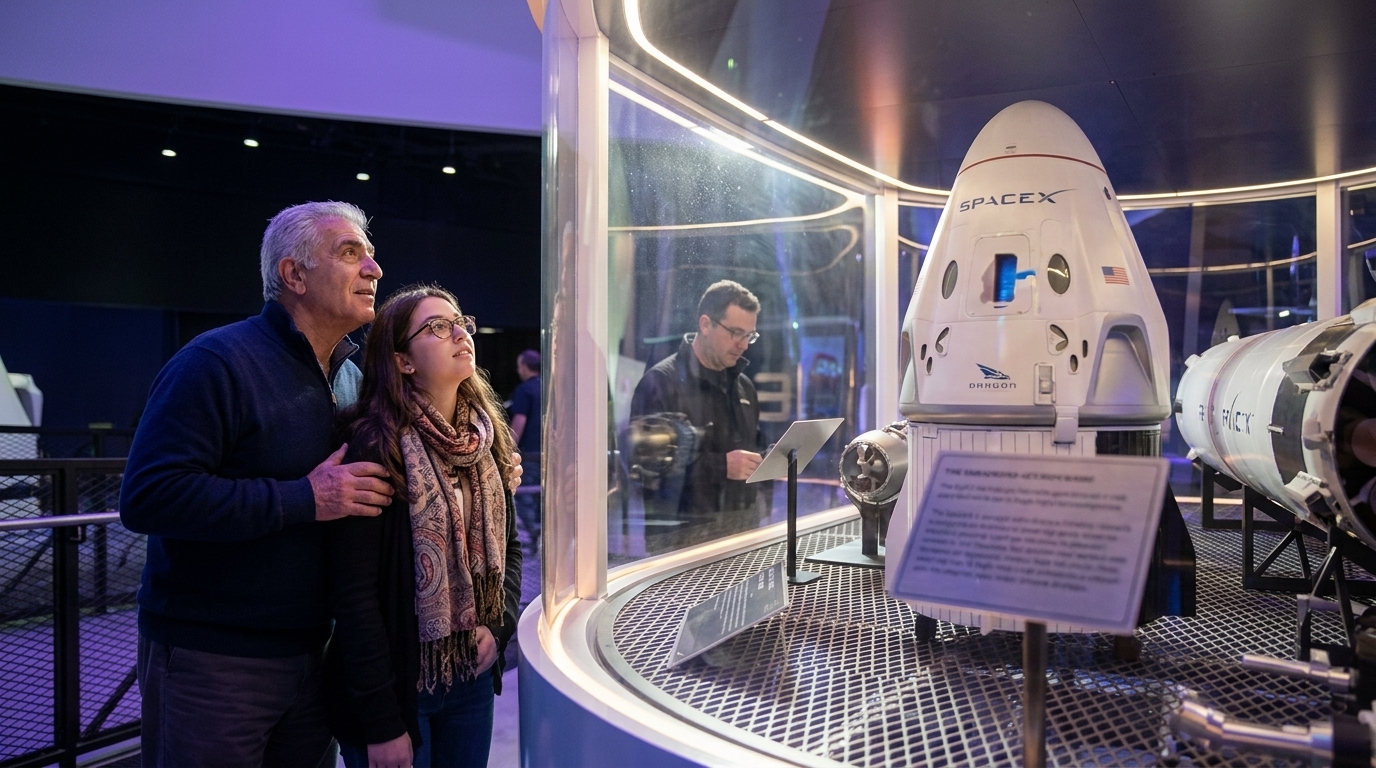
While AI dominates the headlines, Elon Musk’s SpaceX remains the "elephant in the room." Rumors of a Starlink IPO in 2026 have intensified as the satellite internet service now shows consistent profitability and free cash flow. A Starlink public offering could fund Musk's Mars vision while offering investors something AI hasn't yet delivered: tangible, physical infrastructure with a global monopoly.
The convergence of these three giants creates an environment of "oversupply" in shares. Wall Street will have to absorb hundreds of billions of dollars in new capitalization. The question is whether there is enough liquidity in the system or if investors will be forced to withdraw capital from traditional sectors to position themselves for the future.
Conclusions and Outlook
The 2026 IPO wave is not just financial news. It is the moment the technological revolution of the 2020s comes of age. Anthropic is trying to keep its soul through the PBC structure, OpenAI is trying to dominate through scale, and SpaceX through infrastructure. For the average investor, these listings offer a rare opportunity to participate in AI’s growth, but they come with massive risks of volatility and regulatory interventions that are only just beginning to take shape.