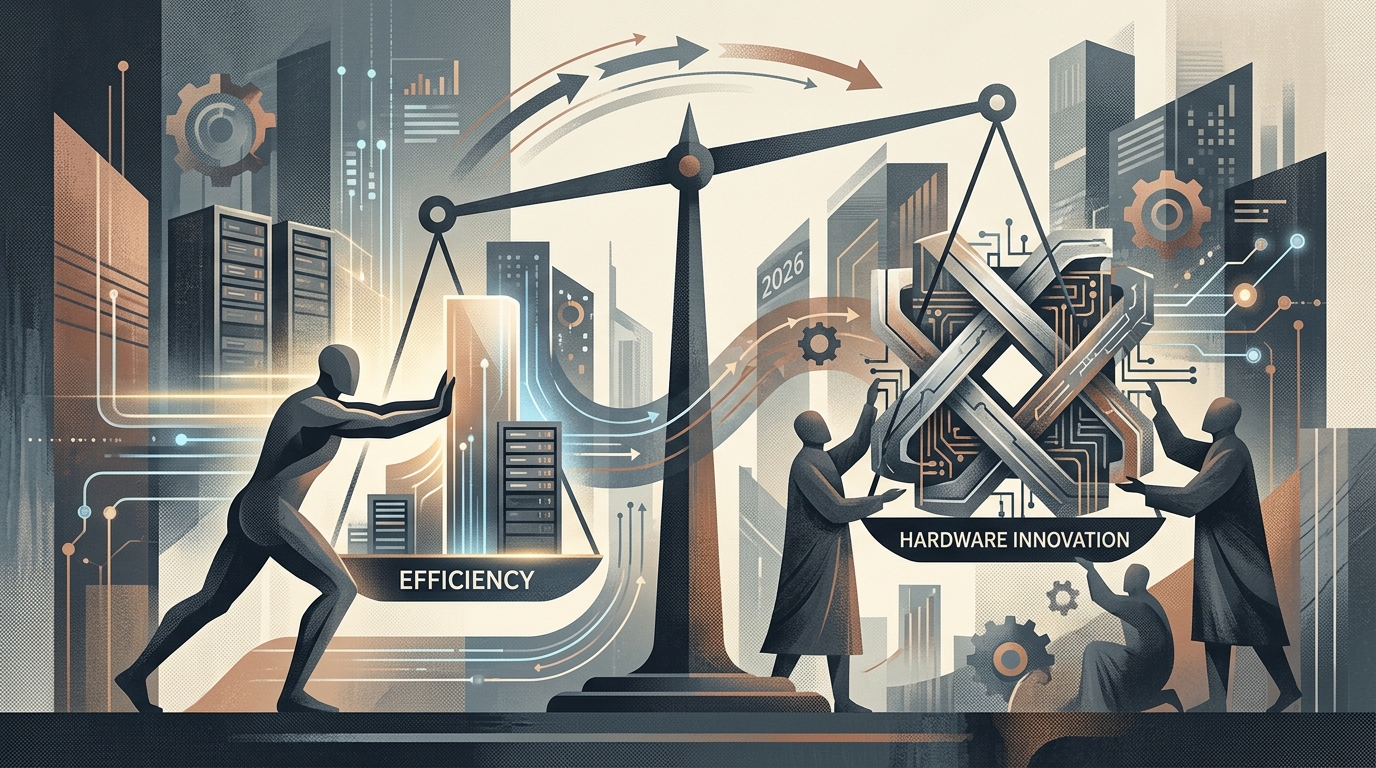

In ancient Athens, the 'Long Walls' were not merely structures of stone; they were the physical manifestation of a strategic choice—to secure the city’s lifeline to the sea while insulating it from land-based threats. Today, as we observe the latest policy shifts from Beijing, we are witnessing the construction of a modern equivalent. The announcement that China will restrict the export of advanced AI models worldwide, coupled with the aggressive push by firms like DeepSeek and Zhipu AI into custom silicon, signals the definitive end of the era of global AI integration.
The Rise of Digital Mercantilism
For the past decade, the prevailing narrative was one of borderless innovation. Open-source models and global cloud infrastructures suggested that artificial intelligence would be a tide lifting all boats. However, the 'Great Digital Wall' rising from the East suggests a pivot toward digital mercantilism. By restricting exports of high-tier models, China is treating algorithmic intelligence as a strategic resource—much like rare earth minerals or energy reserves—rather than a global public good.
"When knowledge becomes a weapon of statecraft, the first casualty is the spirit of collective human progress."
This policy is a direct response to the 'compute chokehold' attempted by Western sanctions. If China cannot reliably import the highest-end precision equipment for chip manufacturing, it will instead export only the 'fruits' of its intelligence to selected partners, while focusing inward on 'Compute Sovereignty.' The move by DeepSeek and Zhipu AI to develop custom silicon is not just a corporate strategy; it is a state-aligned necessity to decouple from the Silicon Valley supply chain.
The European Dilemma: Strategic Autonomy vs. Dependency
From my perspective as a European analyst, these developments present a profound challenge to the European Union's AI Act and our broader governance frameworks. We find ourselves squeezed between two diverging philosophies: the American model of private-sector dominance and the Chinese model of state-controlled intelligence. Greece, as a burgeoning hub for Mediterranean digital infrastructure, must navigate this carefully.
The risk is that we are entering a 'Digital Dark Age' of siloed intelligence. If models are no longer shared or transparent across borders, the ability of international bodies to monitor AI safety, ethical alignment, and democratic safeguards is severely diminished. How can we ensure a 'Global AI Accord' when the most powerful models are kept behind national legislative barriers?
Proposing a New Framework for Governance
To prevent a total fragmentation that would stifle innovation and threaten democratic values, I propose three pillars for a renewed European diplomatic strategy in AI:
- Institutional Reciprocity: Trade agreements must now include 'Algorithm Exchange' clauses, ensuring that if we open our markets to foreign AI services, we maintain the right to audit their underlying models for safety and bias.
- Investment in Sovereign Compute: Following the example of the European Chips Act, we must accelerate the development of EU-native silicon that does not rely on the geopolitical whims of external powers.
- Democratic Resilience: We must strengthen the transparency requirements for AI used in public administration and banking—as seen in the recent Greek banking revolution—to ensure that even imported models adhere to Athenian ideals of accountability.
The lessons of history are clear: walls may provide temporary security, but they also breed stagnation. As a lawmaker of old once sought to balance the interests of the many against the power of the few, modern policy must now balance national security against the indispensable need for a shared human intelligence.