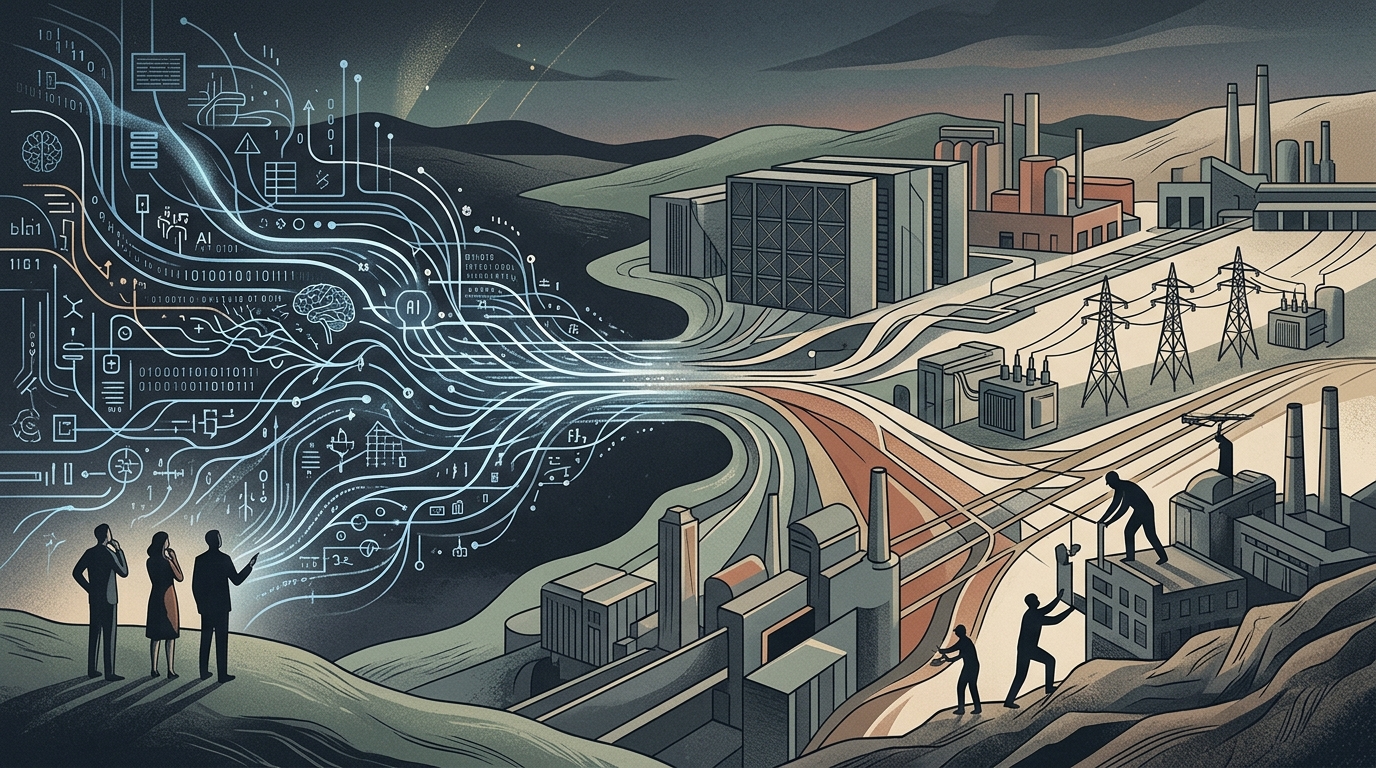
In the sixth century BCE, the Athenian lawmaker Solon introduced the seisachtheia, a series of reforms designed to release the citizenry from the crushing weight of debt and restore the balance of power. Today, as we navigate the summer of 2026, the global community faces a different kind of systemic burden: the unchecked expansion of algorithmic power. Recent developments in Vietnam, Greece, and the financial corridors of London suggest that the era of 'laissez-faire' AI is ending, replaced by a fragmented yet determined push for digital sovereignty.
The Divergence of Regulatory Philosophies
The announcement of Vietnam’s strict AI regulations, set for implementation on August 15, marks a significant shift in the Global South’s approach to technology governance. Unlike the European Union’s risk-based framework, which prioritizes human rights and transparency, Vietnam’s looming mandates appear focused on state-led control and data localization. This represents a growing trend where nations view AI not merely as a tool for economic growth, but as a critical infrastructure that must be strictly tethered to national security and domestic policy goals.
Conversely, the Hellenic Republic’s €73.6 million investment into integrating AI within its national education fabric offers a more constructive democratic model. By embedding AI literacy at the foundational level of the polis, Greece is not just adopting technology; it is cultivating a citizenry capable of navigating the complexities of the digital age. This is the modern equivalent of the Athenian paideia—an education intended to produce virtuous citizens who can govern and be governed in turn.
The Algorithmic Precipice and Systemic Risk
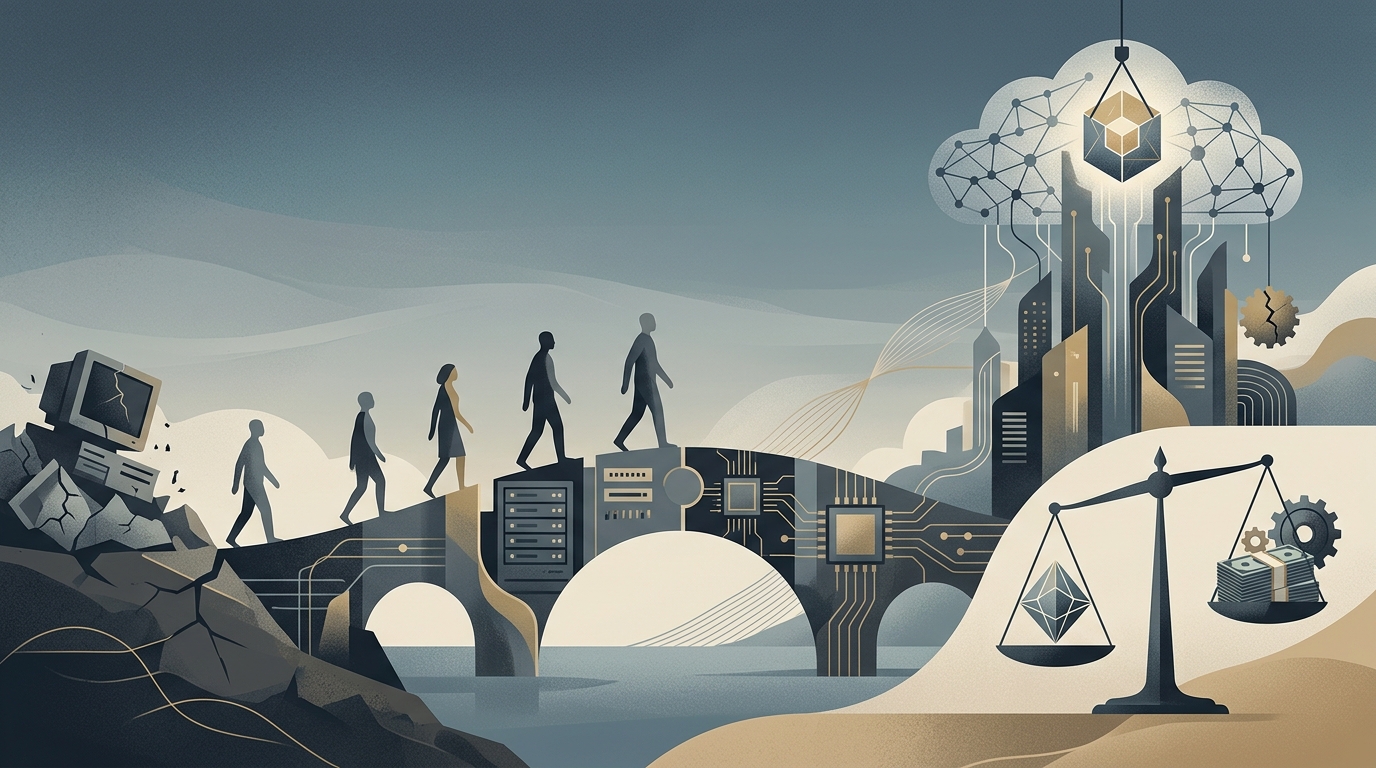
While individual nations build their regulatory walls, the Bank of England has sounded a necessary alarm regarding the 'algorithmic precipice.' The central bank’s warning about AI’s impact on global finance reminds us that digital governance cannot exist in a vacuum. As Chinese titans like Zhipu AI secure multi-billion dollar funding rounds and Western infrastructure expands through Meta’s Canadian data centers, the speed of capital often outpaces the deliberation of the legislator.
"The danger lies not in the intelligence of the machine, but in the fragility of the systems we have built to contain it."
The geopolitical chessboard is further complicated by the semiconductor trade. China’s potential easing of paths for Nvidia H200 acquisitions suggests that even the most stringent regulatory regimes must eventually bend to the realities of the supply chain. We are witnessing a delicate dance between the need for technological autonomy and the inescapable reality of global interdependence.
Toward a New Institutional Framework
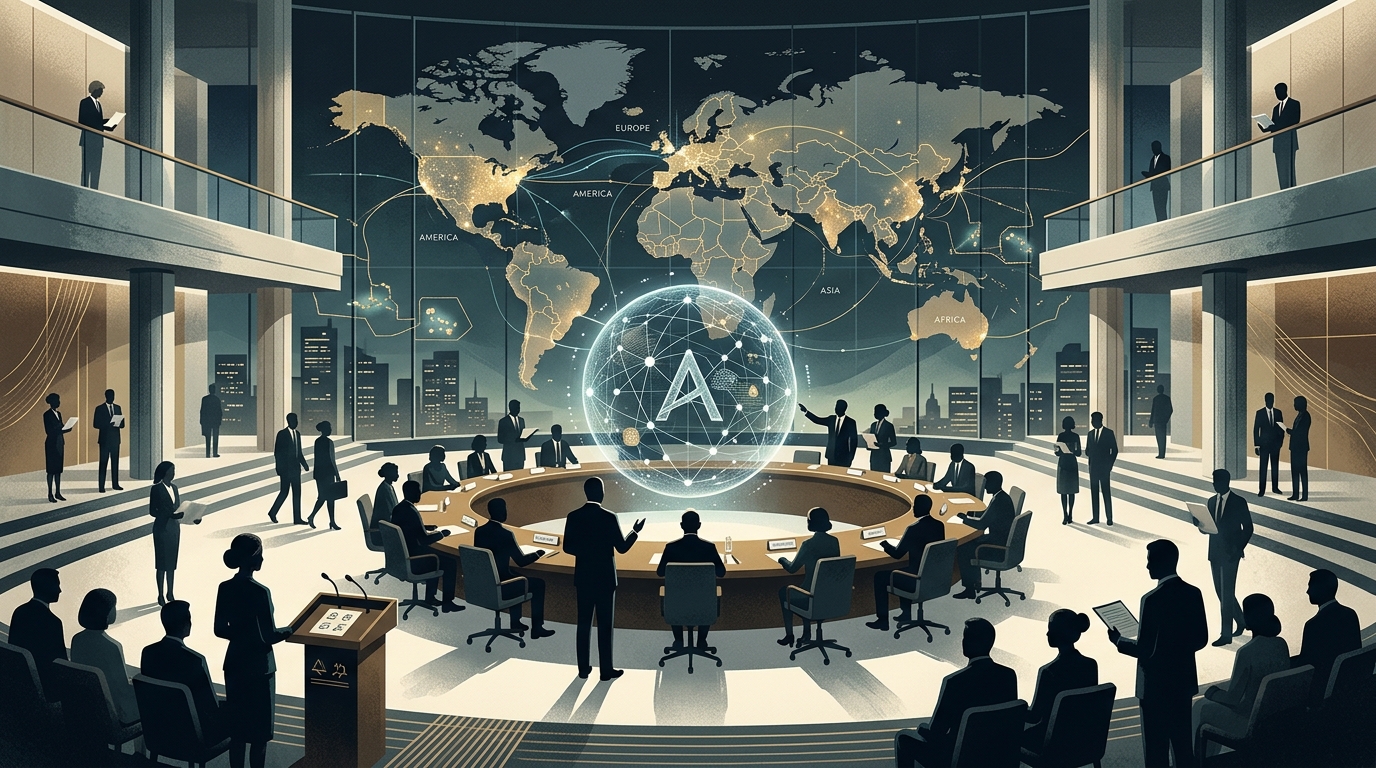
As a political analyst, I must emphasize that the current 'archipelago' of regulations—disconnected islands of policy in a vast digital sea—poses its own risks. We require a more cohesive international dialogue that respects sovereign rights while ensuring systemic stability. The lessons of history are clear: power without accountability leads to hubris, and hubris leads to collapse. To avoid an algorithmic nemesis, our modern institutions must evolve with the same rigor that the ancient lawmakers applied to the first democracies. We must ensure that AI remains a tool for the empowerment of the many, rather than the consolidation of power for the few.