In the summer of 2026, the global markets have reached a pivotal inflection point. The era of "AI hype," characterized by speculative surges in any company mentioning large language models, has officially concluded. In its place, we are witnessing what Morgan Stanley aptly calls the "AI Supercycle"—a transition where valuation is now strictly tied to tangible Return on Investment (ROI) and infrastructure dominance.
The Physical Layer: Infrastructure as the New Gold
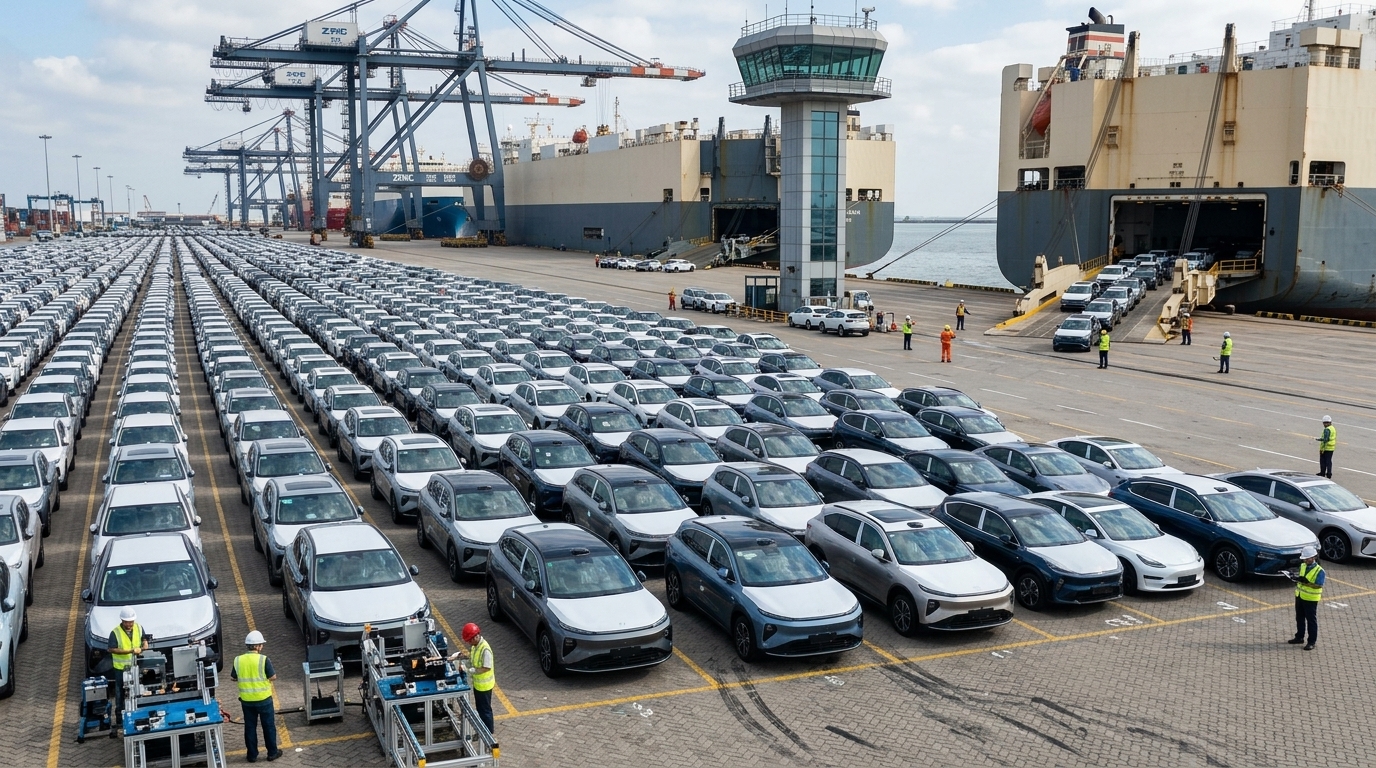
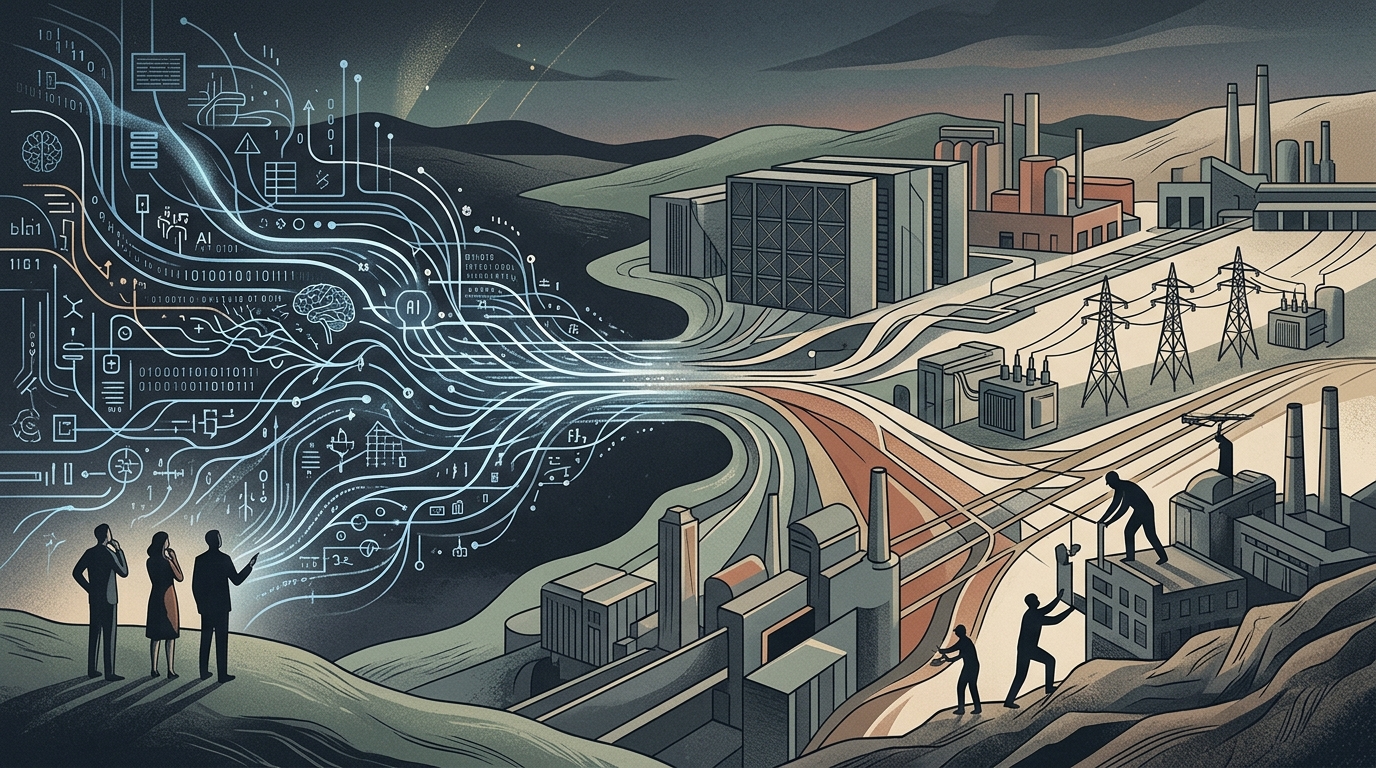
The recent moves by global giants underscore this shift. SK Hynix’s $28 billion expansion into the US and the explosive growth of Asia-Pacific data centers are not merely corporate expansions; they are the construction of the new global digital backbone. For investors, the focus has moved from the application layer to the physical layer. Companies like Arista Networks, identified by BlackRock as a top-tier holding, represent the "silent backbone" of this era. Without the networking hardware and the specialized silicon provided by the likes of SK Hynix and Nvidia, the agentic AI revolution remains grounded.
European Industrials and the Greek Bull Run
Perhaps the most compelling development for our region is the resurgence of European industrials. Amundi’s recent signals highlighting these firms as the "hidden champions" of AI reflect a broader market realization: AI’s greatest value proposition in 2026 lies in optimizing complex physical systems—from power grids to manufacturing lines. This trend is vividly reflected in the Athens Stock Exchange (ASE). The 2026 bull run in Greek equities is being fueled by companies that have successfully integrated AI into logistics, energy management, and financial services, moving beyond digital transformation into autonomous operational efficiency.
"The market is no longer buying the dream of AI; it is buying the efficiency of AI."
The Rise of Agentic Trading and Market Stability
As central banks begin implementing "safety brakes" for agentic trading, we see a maturing financial ecosystem. The integration of AI into trading desks has increased liquidity but also introduced new forms of systemic risk. For the strategic investor, the "forever holdings" are no longer just tech companies, but conglomerates like Amazon that have successfully pivoted to dominate both the cloud infrastructure and the logistics of the AI era. The message for the second half of 2026 is clear: follow the infrastructure, monitor the industrial ROI, and maintain a balanced exposure to the physical enablers of the digital mind.