In the crosshairs of the Middle East's enduring conflicts, a quiet but pivotal battle is being waged over the control of memory. As libraries, universities, and physical archives in the Gaza Strip and the West Bank are reduced to rubble, a new generation of archivists, technologists, and researchers is turning to digital infrastructure to ensure their national identity is not erased from the historical record. Building a "digital archive that can’t be erased" has evolved from a theoretical endeavor into an urgent necessity for survival.
The Fragility of Physical Memory
Palestinian history has long been defined by the loss of documentation. From the Nakba of 1948, which saw the disappearance of thousands of land deeds and family heirlooms, to the recent destruction of cultural centers, physical preservation has proven tragically vulnerable. Traditional archiving methods—reliant on centralized buildings and local servers—are easy targets during armed conflict. When a missile strikes a building housing data servers, it doesn't just destroy hardware; it obliterates generations of data.
This reality has catalyzed a shift toward "distributed archiving." Rather than keeping data in a single location, files are fragmented, encrypted, and shared across a global network of nodes. Using technologies like IPFS (InterPlanetary File System), Palestinians are creating a permanent digital footprint that bypasses geographic restrictions and military blockades. Even if a local data center is destroyed, the information remains alive and accessible from the other side of the globe.
Cutting-Edge Tools for Historical Preservation
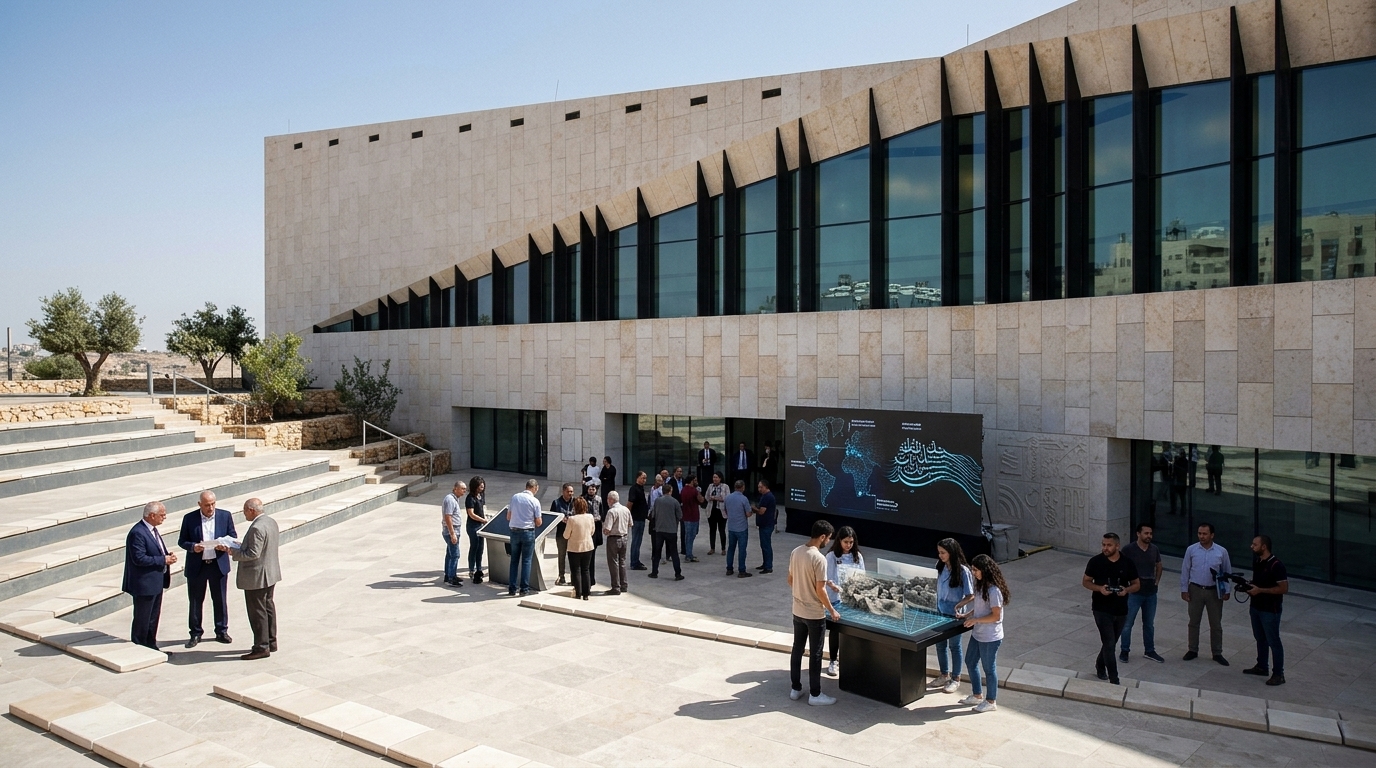
This effort goes far beyond simple document scanning. It involves leveraging advanced AI tools to categorize hundreds of thousands of photographs, videos, and oral testimonies. Projects like "Palestine Open Maps" combine historical maps with modern satellite imagery, allowing users to visualize villages that no longer exist on the ground but remain vital in digital space. Blockchain technology is also being explored as a means to verify the authenticity of land titles, creating an immutable ledger that no authority can easily dispute.
- Decentralized Storage: Utilizing peer-to-peer protocols to prevent censorship and physical destruction.
- Crowdsourcing History: Thousands of citizens contribute material, from vintage photos to digitized diaries.
- Cyber Resilience: Implementing robust strategies to defend against DDoS attacks aimed at taking down Palestinian history portals.
The challenges, however, are immense. Digital archiving requires consistent internet connectivity and electricity—two resources in short supply in conflict zones. Activists often rely on satellite links and solar power to maintain the flow of data to external servers. Furthermore, there is the persistent threat of "digital censorship" by major social media platforms, whose algorithms frequently misinterpret historical or journalistic content as violations of community standards.
Memory as an Act of Sovereignty
For Palestinians, this work is not merely technical; it is deeply political. The ability to narrate one's own history, backed by irrefutable evidence, forms the bedrock of national sovereignty in the digital age. As many researchers argue, the loss of an archive is equivalent to a second exile. By constructing this "immortal" digital body, the Palestinian community ensures its collective memory is no longer dependent on the benevolence of third parties or the physical fate of a building.
"In the past, they could burn our libraries. Today, our memory is scattered across the cloud, encrypted, and impossible to delete," says one of the project's technical leads.
In conclusion, the Palestinian experience serves as a global blueprint for how technology can be harnessed to protect human rights and cultural heritage under extreme conditions. As the world moves toward an increasingly digital existence, a community's ability to securely preserve its past will largely determine its standing in the future.