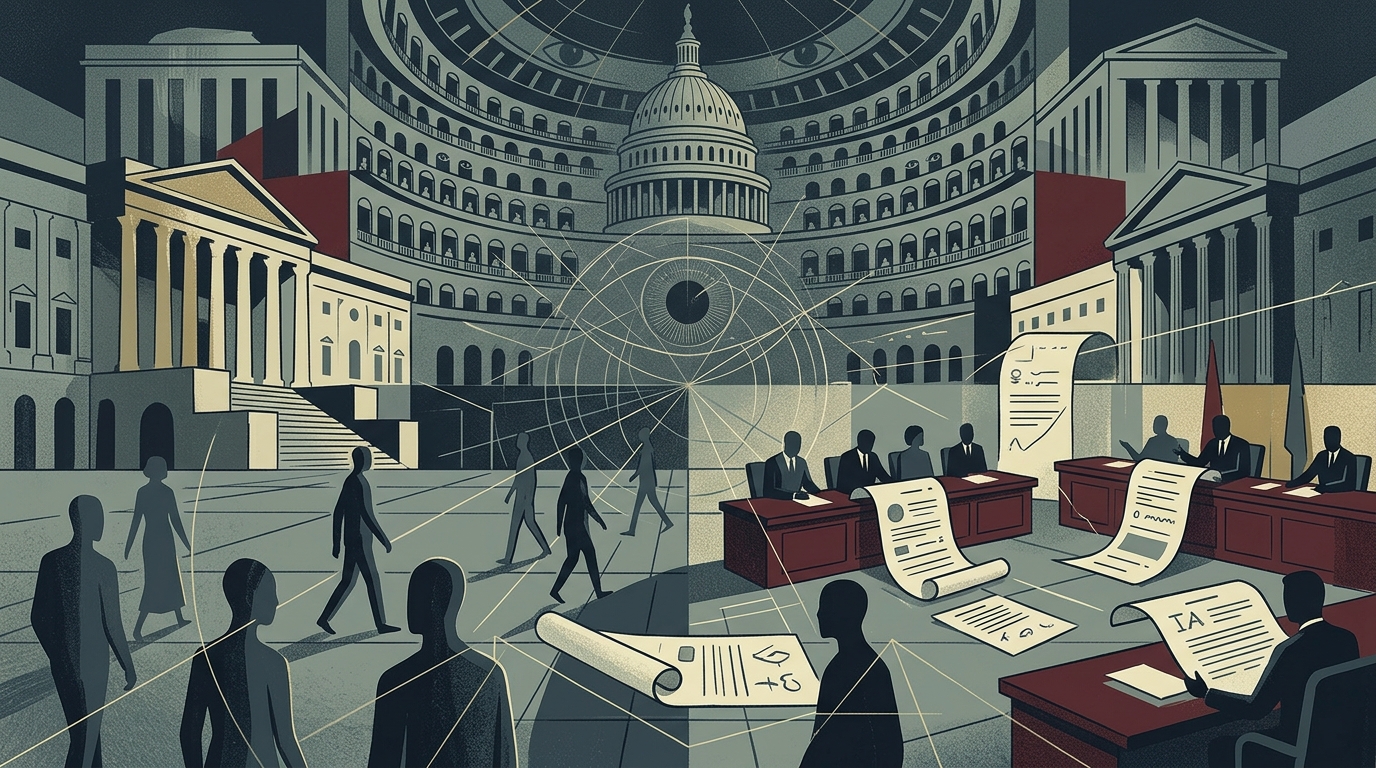
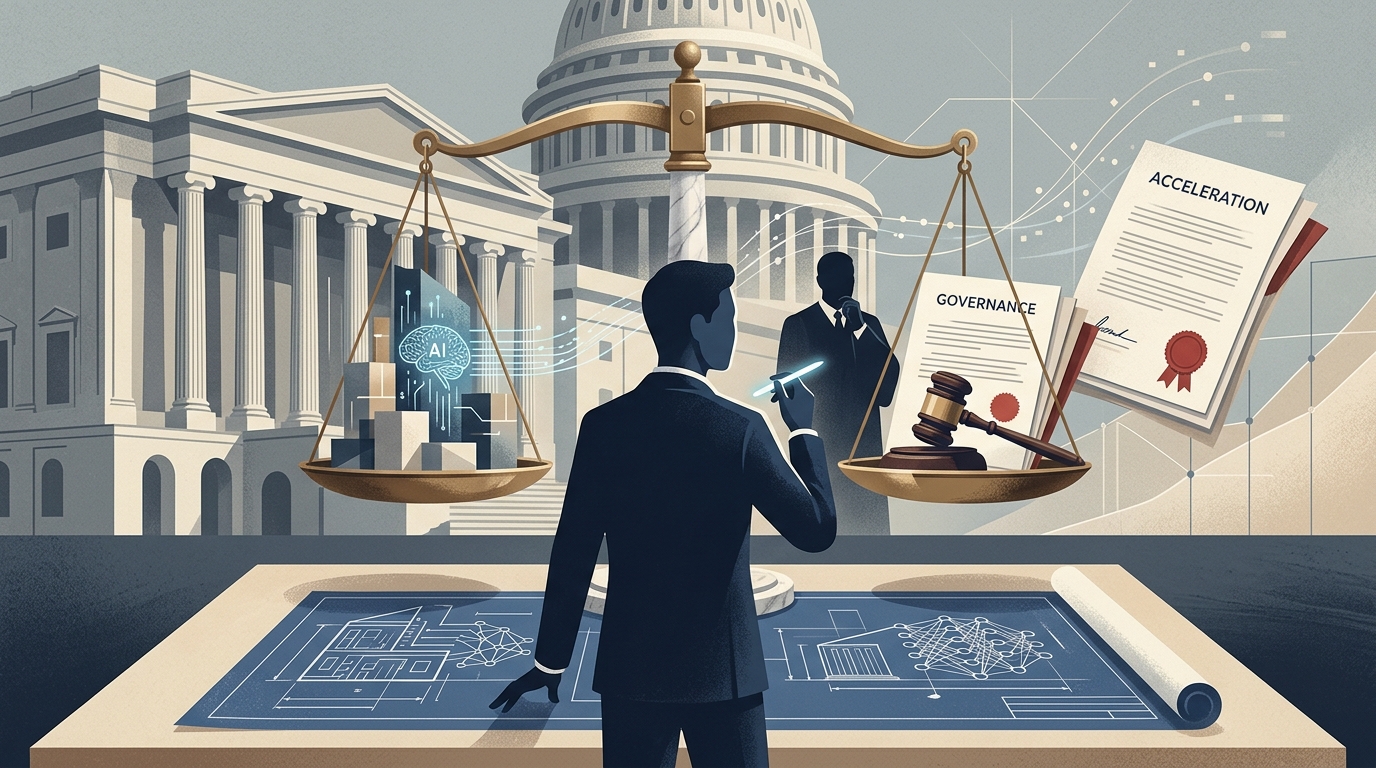
In ancient Athens, the role of the lawmaker was not merely to react to crises, but to anticipate the shifting foundations of the social order. Today, as we witness the meteoric rise of generative agents and the staggering $700 billion capital expenditure by technology giants, we find ourselves at a similar crossroads. The recent discourse surrounding the establishment of 'AI Ministries' represents more than a bureaucratic expansion; it is an admission that our existing institutional frameworks are ill-equipped to handle the velocity of the algorithmic age.
The Collision of Velocity and Constitutional Ethics
The core tension in modern governance lies in the friction between 'Silicon Valley speed' and the deliberate, often slow, process of constitutional oversight. As policy discussions in Washington and Brussels increasingly lean toward dedicated regulatory bodies, we must ask: Can a ministry move fast enough to regulate an industry that reinvents itself every six months without sacrificing the due process that defines a democracy?
The challenge of our era is not the technology itself, but the preservation of the 'Polis' in an environment where private computational power rivals that of the sovereign state.
We see this tension manifesting in the financial sector, as South Korea deploys 'Digital Sentinels' for oversight and Anthropic pushes AI agents into the heart of Wall Street. When the speed of transactions moves beyond human comprehension, the role of the state must shift from passive observer to active architect of the digital infrastructure. This is not merely about preventing market crashes; it is about ensuring that the automated systems governing our wealth remain accountable to the citizens they serve.
Digital Sovereignty and the Regional Renaissance
While the global powers—the US, EU, and emerging hubs like Vietnam—vie for dominance, the true test of democratic AI policy lies in its local application. The 'Regional Digital Renaissance' seen in Drama, Greece, through initiatives like LAB.40, serves as a vital case study. Governance is not only a top-down exercise of power; it is the equitable distribution of opportunity. By bringing AI to the periphery, we prevent the creation of a 'digital helotry,' where technological progress is concentrated solely in urban metropolises.
Higher education, too, is becoming a front line for 'Digital Sovereignty.' As universities move from resistance to proactive integration, they are essentially drafting the new curriculum for citizenship. A citizen who does not understand the logic of the algorithm is a citizen who cannot fully participate in the democratic process. Therefore, any institutional proposal for an AI Ministry must prioritize public literacy and the protection of intellectual autonomy.
A Framework for the Future
To move forward, I propose a governance framework based on three pillars of 'Digital Constitutionalism':
- Institutional Agility: Regulatory bodies must be staffed by technologist-jurists who can bridge the gap between code and law.
- Algorithmic Accountability: High-stakes AI systems, particularly in finance and surveillance, must be subject to mandatory transparency audits, echoing the public accountability of ancient magistrates.
- Subsidiarity: AI policy should empower local communities, like those in Boise or Drama, to set their own boundaries for technological integration, ensuring that 'progress' does not come at the cost of social cohesion.
In my analysis, the 'AI Ministry' should not be a monolith of control, but a guardian of the digital commons. We must ensure that as we build these new structures, we do not merely create a faster machine, but a more just society.