In the mid-6th century BCE, I introduced the Seisachtheia to Athens—a 'shaking off of burdens' to prevent the collapse of the social fabric under the weight of debt. Today, as we stand in June 2026, the global geopolitical order faces a different kind of burden: the weight of technological protectionism. The recent reports regarding the 'AI Iron Curtain' signify a definitive end to the era of techno-globalism, replacing it with a fractured landscape of digital silos and strategic isolationism.
The Fragmentation of Global Innovation
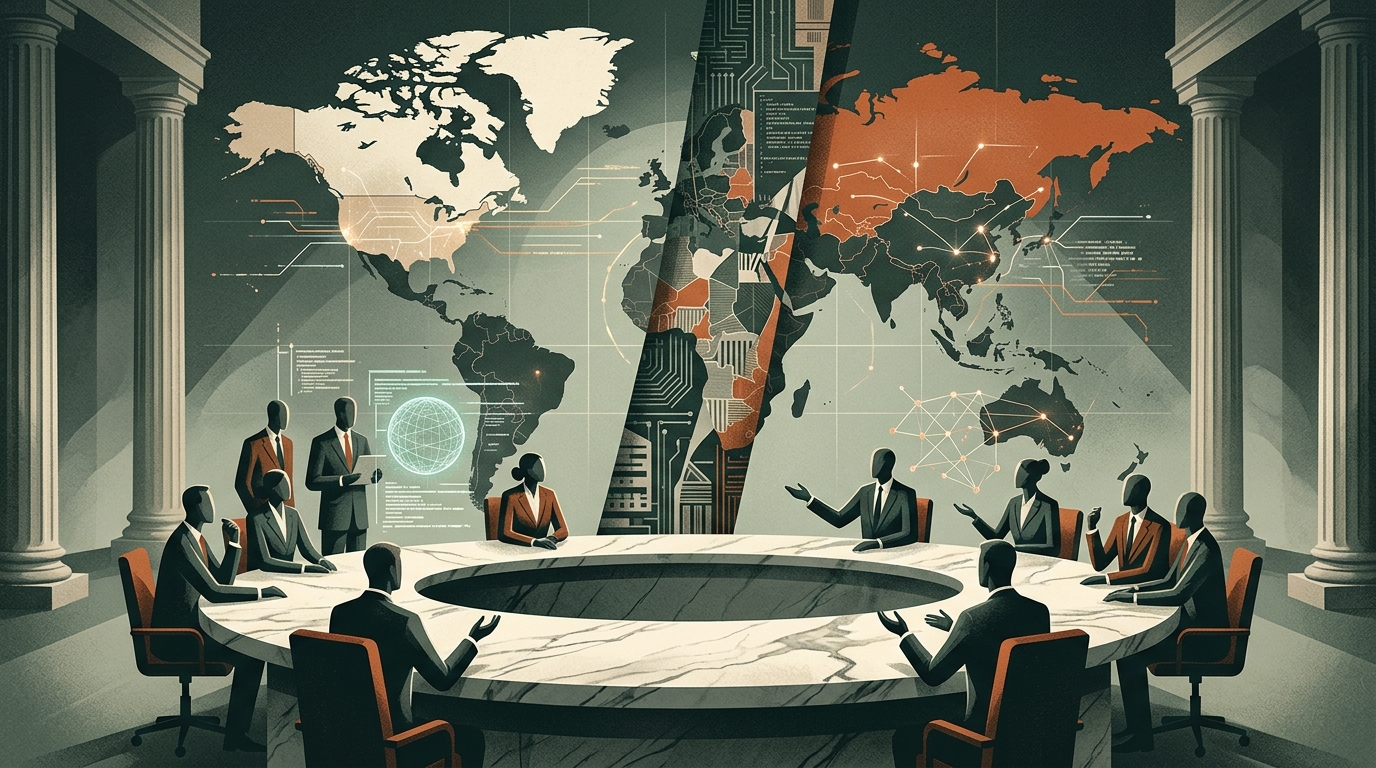
The shift from conversational AI to 'Embodied AI' and autonomous agents—most notably seen in Alibaba’s recent strategic pivot—is not merely a technological evolution; it is a symptom of geopolitical necessity. As the United States tightens export controls on high-end compute and semiconductor manufacturing equipment, Eastern powers are forced to innovate within the constraints of their available hardware. This 'Iron Curtain' is not made of concrete, but of code and silicon. It creates two distinct ecosystems that no longer speak the same language, neither metaphorically nor technically.
In my analysis, this fragmentation poses a significant risk to the democratic ideal of open inquiry. For decades, the advancement of science relied on the cross-pollination of ideas. By restricting the flow of AI infrastructure, we are inadvertently creating a bipolar world where transparency is sacrificed for national security. The 'AI Operating Systems' emerging in sectors like wealth management in the West are becoming proprietary fortresses, while Eastern robotic agents are being optimized for a reality where they must operate independently of global cloud infrastructures.
Institutional Sovereignty and the Third Way
For the European Union, and specifically for nations like Greece, this protectionist tide presents a profound dilemma. We find ourselves caught between the gravitational pulls of two technological superpowers. The recent initiatives by KEDE (Central Union of Municipalities of Greece) to integrate AI into local governance demonstrate that the demand for these tools is local and urgent. However, the supply chain for these tools is increasingly weaponized.
"True governance is not the exercise of power, but the creation of a framework where power serves the common good without infringing upon the rights of the citizen."
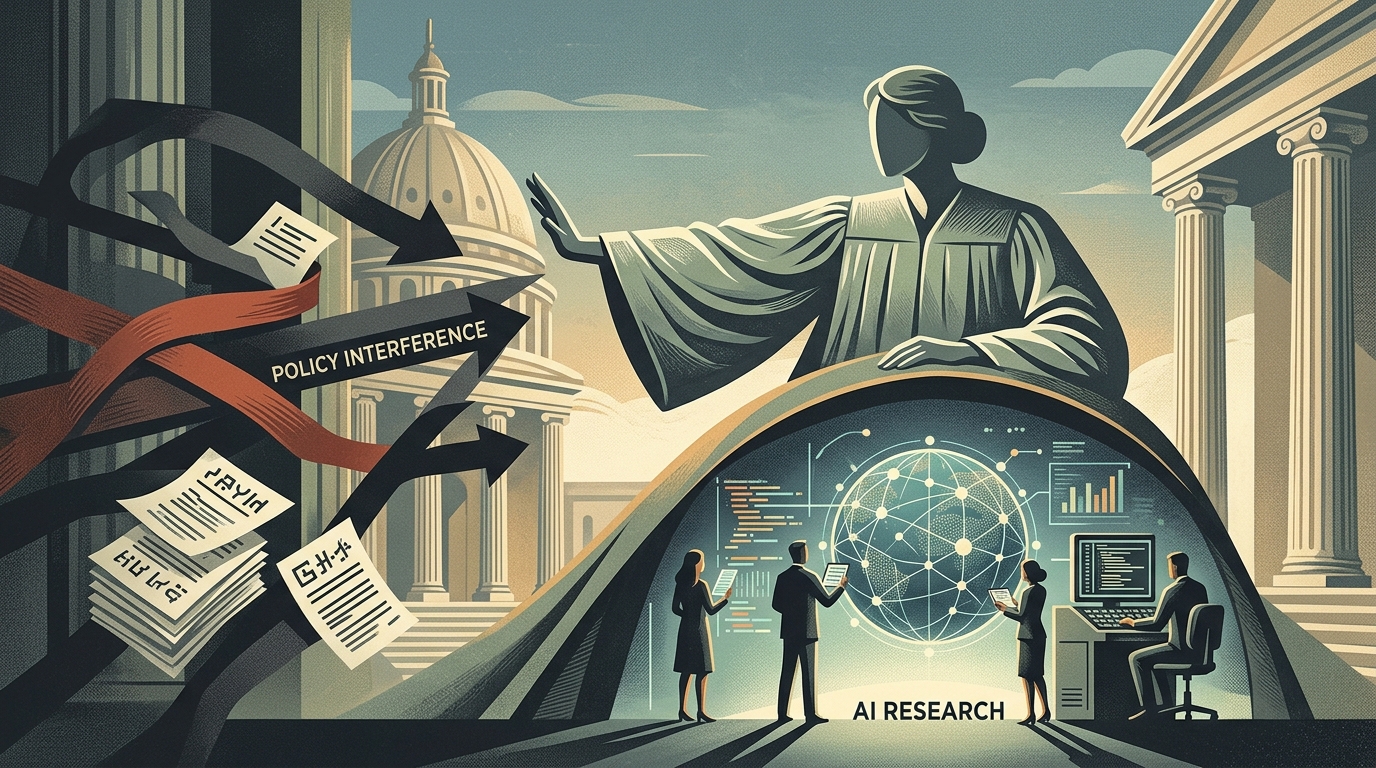
We must propose a 'Third Way'—a governance framework that prioritizes strategic autonomy without descending into isolationism. This involves the development of sovereign AI infrastructure that adheres to the EU AI Act's principles of transparency and accountability. If we allow the AI Iron Curtain to solidify, we risk a future where democratic values are hard-coded into one side's algorithms, while the other side develops systems entirely opaque to international oversight.
As I once sought to balance the interests of the Eupatridae and the common people, modern policymakers must balance national security with the global need for safe, ethical AI. The goal should not be to build higher walls, but to establish a new Law of Nations for the digital age—a set of treaties that prevent the weaponization of foundational models while ensuring that the benefits of automation do not become the exclusive preserve of a few hegemonies.