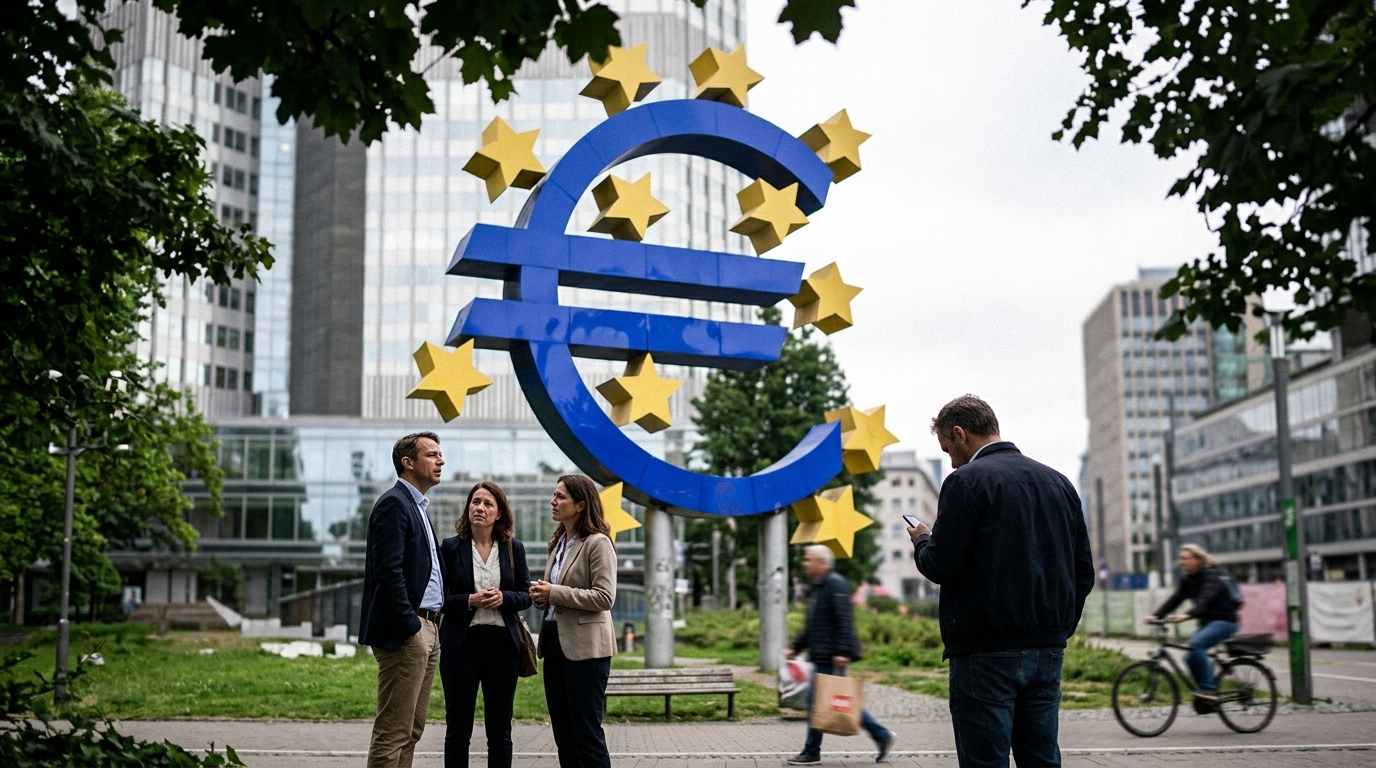

As we navigate the first week of May 2026, the global financial landscape is witnessing a fascinating paradox. On one hand, we are seeing what analysts call the 'AI Capital Supercycle'—a record-breaking Q1 that has seen venture capital flows into artificial intelligence reach unprecedented heights. On the other, a new realism is taking hold. The era of 'growth at any cost' in AI development is being replaced by what I call the Architecture of Frugality.
The Pivot to Efficiency and the New Alpha
The recent release of DeepSeek V4 has sent a clear signal to the markets: the competitive advantage (Alpha) no longer belongs solely to those with the largest compute clusters, but to those who can achieve high-reasoning capabilities with minimal energy and capital expenditure. This 'Frugal AI' movement is not just a technical milestone; it is a fundamental shift in corporate valuation. Investors are increasingly penalizing 'heavy' models in favor of agentic architectures that deliver immediate ROI. Goldman Sachs’ recent $150 million industrialization of AI in healthcare is a prime example of this trend—shifting from experimental LLMs to integrated, efficient workflows that tackle specific sector inefficiencies.
Transatlantic Headwinds and the European Response
However, this technological optimism is tempered by significant macroeconomic friction. The discussions led by Minister Kyriakos Pierrakakis in Brussels for the Eurogroup and ECOFIN meetings highlight a growing concern: the end of the 'Old Economic Model' of globalized trade. With the specter of US tariffs looming, European markets are bracing for a ripple effect that could disrupt tech supply chains. The market is currently pricing in a 'strategic pivot' as the EU prepares counter-measures. For businesses, this means that 'The Algorithmic Hedge'—using AI to optimize supply chains and navigate volatility—is no longer a luxury but a survival requirement.
The Greek Digital Maturity Milestone
Closer to home, the Greek business ecosystem is showing signs of structural maturity. The achievement of SOC 2 Type 2 compliance by firms like EMPIST marks a transition from simple digital adoption to sophisticated digital trust. For the Athens Stock Exchange and the broader SME landscape, this level of certification is critical. As AI risks to M&A deals become a standard part of due diligence, Greek companies that prioritize compliance and digital security will command higher valuations and find easier entry into global value chains. The Greek economy is no longer just a consumer of tech; it is becoming a disciplined participant in the high-stakes world of digital infrastructure.
Actionable Insight: Investors should look past the 'parameter count' of AI startups and focus on 'inference-per-dollar' metrics. In a high-tariff, high-volatility environment, efficiency is the only sustainable moat.