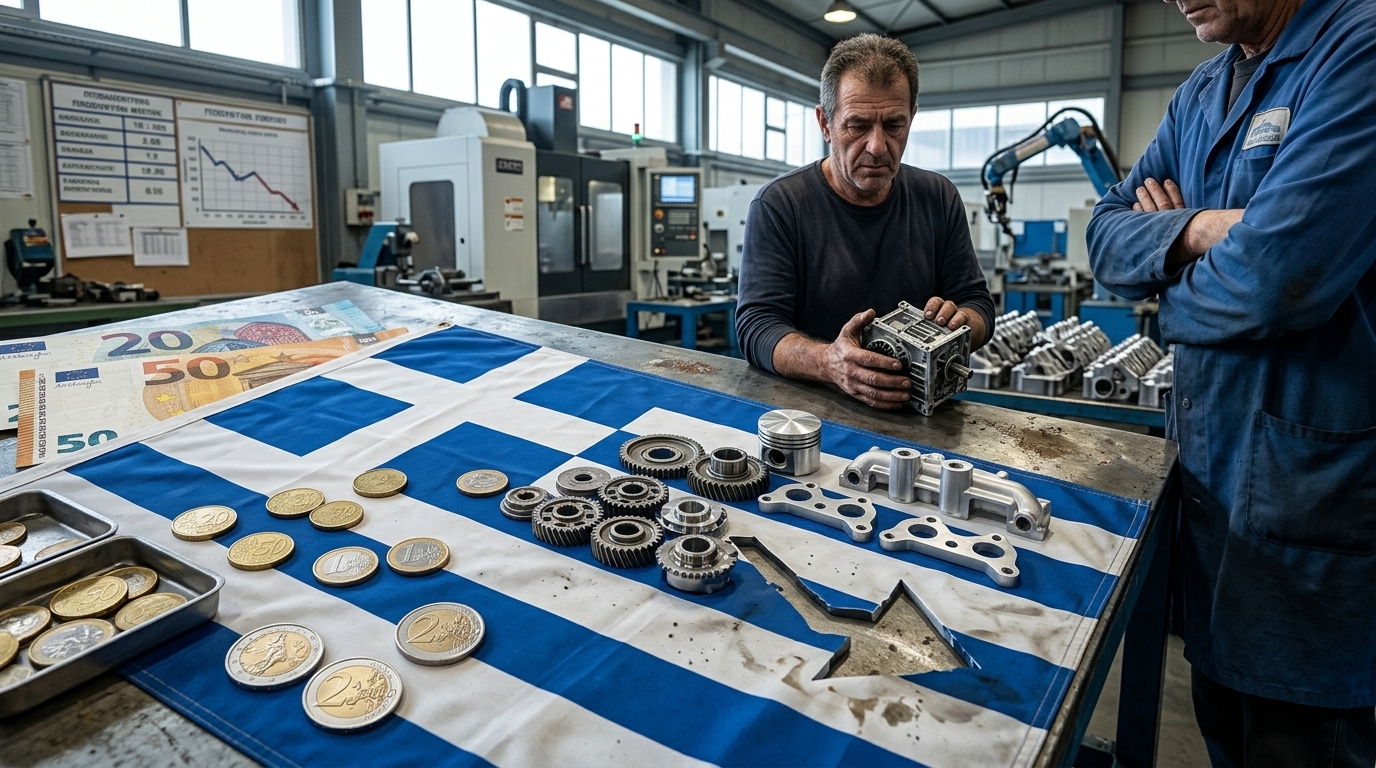
Greek manufacturing, a cornerstone of the nation's economic landscape, faced a significant headwind in April 2026. According to the latest data from S&P Global, the Purchasing Managers' Index (PMI) retreated to a seven-month low, reflecting the intense pressures exerted by geopolitical turbulence in the Middle East and ongoing disruptions in global supply chains. While the index remains above the 50.0 threshold—indicating expansion—the slowdown is palpable and has sparked concern among economic analysts.
Geopolitical Chess and Supply Chain Woes
The primary driver behind this deceleration lies beyond Greece's borders. Escalating tensions in the Middle East have once again disrupted maritime logistics, causing lead times for raw materials to lengthen significantly. Greek firms, heavily reliant on imported intermediate goods, find themselves caught in an environment of profound uncertainty. These delays do not merely affect production schedules; they drive up warehousing costs as companies scramble to build safety stocks to prevent operational halts.
Furthermore, new orders recorded their slowest growth rate in several months. Foreign demand, which served as the engine of Greek manufacturing in previous years, appears to be waning. European partners, grappling with their own inflationary pressures and economic stagnation, are tightening their belts, directly impacting Greek export-oriented businesses. While domestic demand remains relatively resilient, it is insufficient to offset the losses from international markets.
The Phenomenon of Cost-Push Inflation
Perhaps the most alarming aspect of the April report is the sharp spike in production costs. Prices for raw materials, energy, and logistics have surged once again, pushing the input cost index to levels not seen in several quarters. To protect profit margins, businesses are increasingly compelled to pass these costs on to consumers. Consequently, selling prices for finished goods rose at their fastest pace in three and a half years.
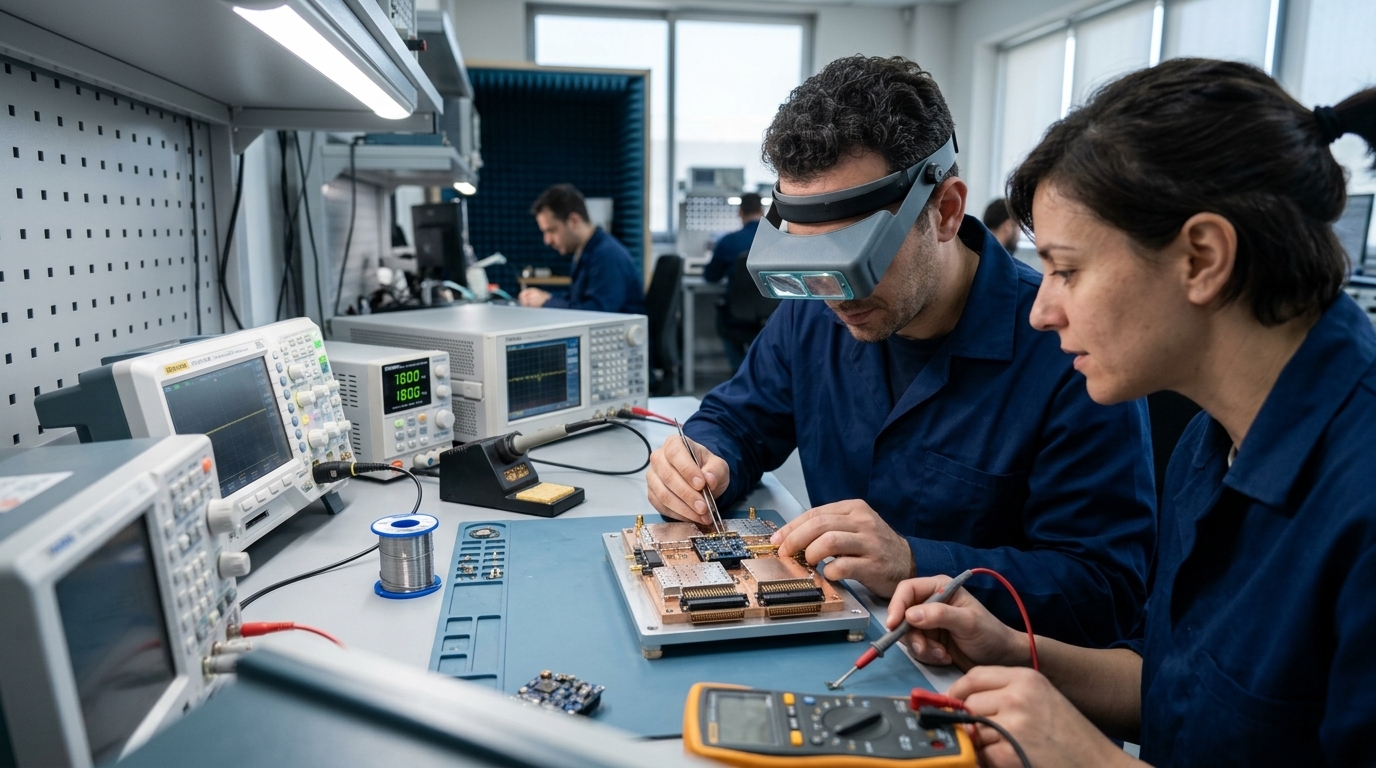
This vicious cycle of cost-push inflation poses a significant threat to the competitiveness of the Greek economy. If Greek firms continue to hike prices, they risk losing market share to countries with lower production costs or to competitors who have successfully integrated automation technologies that reduce operational overhead. The need for investment in digital transformation and energy efficiency has become imperative, as traditional operating models reach their breaking point.
Employment and Future Outlook
Despite these challenges, the manufacturing sector continues to create jobs, albeit at a more moderate pace. Firms remain cautiously optimistic about the future, betting on a potential de-escalation of geopolitical tensions and the effective utilization of Recovery and Resilience Facility (RRF) funds. However, this optimism is tempered by reality. The challenges are multifaceted: from a shortage of skilled labor to high borrowing costs that stifle new investments.
In conclusion, April served as a wake-up call for Greek industry. Dependence on exogenous factors leaves the economy vulnerable. Transitioning to a production model with higher added value and less sensitivity to raw material price fluctuations is the only path to ensuring long-term viability. Greek manufacturing has demonstrated resilience in the past, but the current climate demands strategic vigilance and swift decision-making.
"The surge in input costs is no longer a temporary blip; it is becoming a structural challenge that requires a fundamental rethink of industrial strategy," notes a senior economic analyst.
Strategic Imperatives for the Sector
To navigate this storm, Greek manufacturers must focus on three key areas: supply chain diversification, energy autonomy, and talent development. Relying on a single geographical region for supplies is a vulnerability that can no longer be ignored. Similarly, investments in renewable energy can provide a hedge against the volatile fossil fuel market. Finally, as the industry becomes more high-tech, the gap in technical skills must be bridged through targeted training programs.