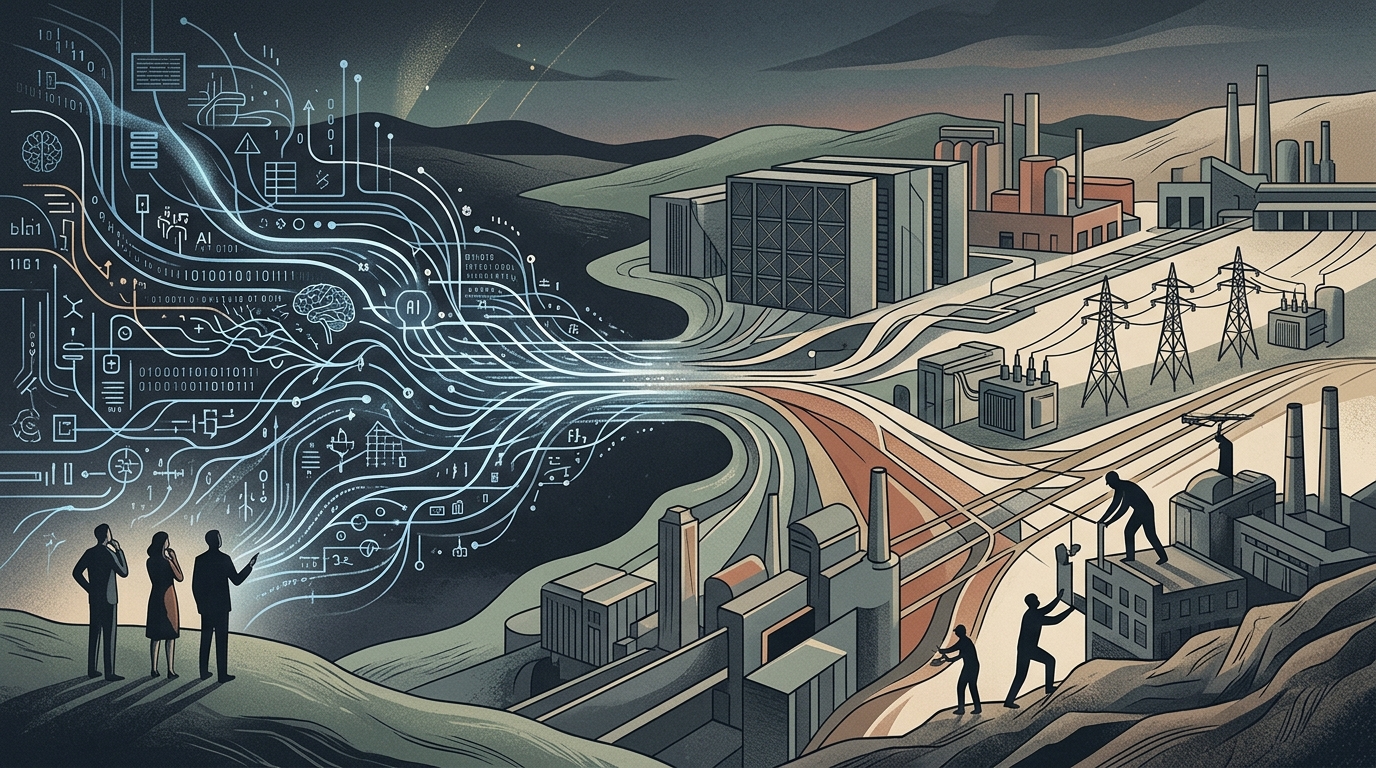
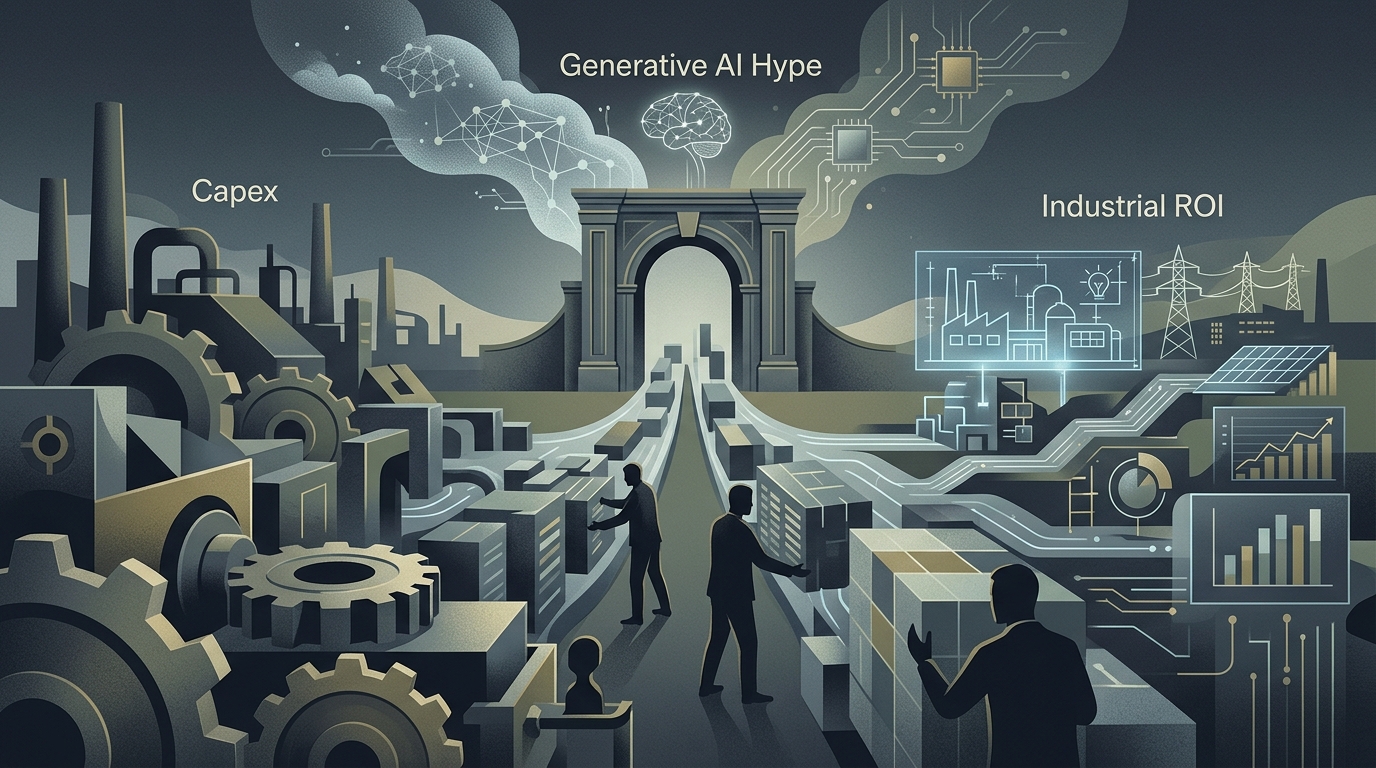
As the United States celebrates its 250th anniversary today, July 4, 2026, the global markets are not just looking back at history, but are intensely focused on a pivotal transformation in the technology sector. We are witnessing what I call 'The Great AI Capex Reckoning.' The era of speculative investment in 'any-and-all' AI startups is fading, replaced by a disciplined focus on infrastructure, hardware, and industrial Return on Investment (ROI).
The Infrastructure Pivot: Hardware is King
The recent multi-billion dollar ADR offering by SK Hynix and Micron’s $9 billion expansion in Japan underscore a fundamental market truth: the AI revolution is currently a hardware story. Investors are no longer satisfied with the promise of 'smarter' chatbots; they are chasing the physical layer that makes intelligence possible. Meta’s recent move to sell excess compute capacity is a landmark signal of this maturation. It suggests that even the largest hyperscalers are now optimizing their capital expenditure (Capex) rather than simply accumulating chips at any cost.
This shift is also visible in the 'Superconducting Renaissance.' AI-driven material science is no longer a laboratory curiosity but a primary investment playbook. By utilizing AI to discover new materials that can operate at higher temperatures, companies are looking to solve the energy bottleneck that has plagued data center growth for the past three years. This is where the real value is being created—at the intersection of physical science and computational power.
The Greek Context: Finance and Real Estate Resilience
Closer to home, the Greek market is reflecting these global trends with a local twist. Eurobank’s billion-euro commitment to AI-driven financial services represents a significant 'rebirth' for Greek finance. Unlike the speculative software plays of 2023-2024, this investment is targeted at operational efficiency and risk management—areas with clear, measurable ROI. Furthermore, the retail sector in Greece is finding its edge through on-device AI, allowing market leaders to bypass expensive cloud costs while enhancing consumer experience.
However, we must also look at the broader economic indicators. Attica land prices have hit a 10-year peak, driven in part by the demand for logistics centers and high-tech infrastructure. This 'Seven-Year Real Estate Surge' is a double-edged sword. While it reflects investor confidence in Greece’s regional role as a digital hub, it also highlights a growing 'Growth Paradox.' Despite rising GDP and market valuations, the cost of entry for new businesses and the cost of living for the workforce remain high, presenting a challenge for sustainable long-term development.
"The market has moved from asking 'what can AI do?' to 'what does AI earn?' This transition from hype to utility is the hallmark of a maturing asset class."
Market Implications for H2 2026
For the remainder of 2026, I expect a 'World of Two Speeds.' Companies that control the infrastructure—semiconductors, energy-efficient cooling, and specialized data centers—will likely continue to see premium valuations. Conversely, software-as-a-service (SaaS) providers without a clear industrial application will face tightening credit and skeptical public markets. The 'Digital Chisel' is reshaping not just entry-level employment, but the very structure of the S&P 500 and the Athens Stock Exchange. Investors should prioritize 'Industrial AI'—applications in manufacturing, energy, and logistics—over general-purpose generative models.