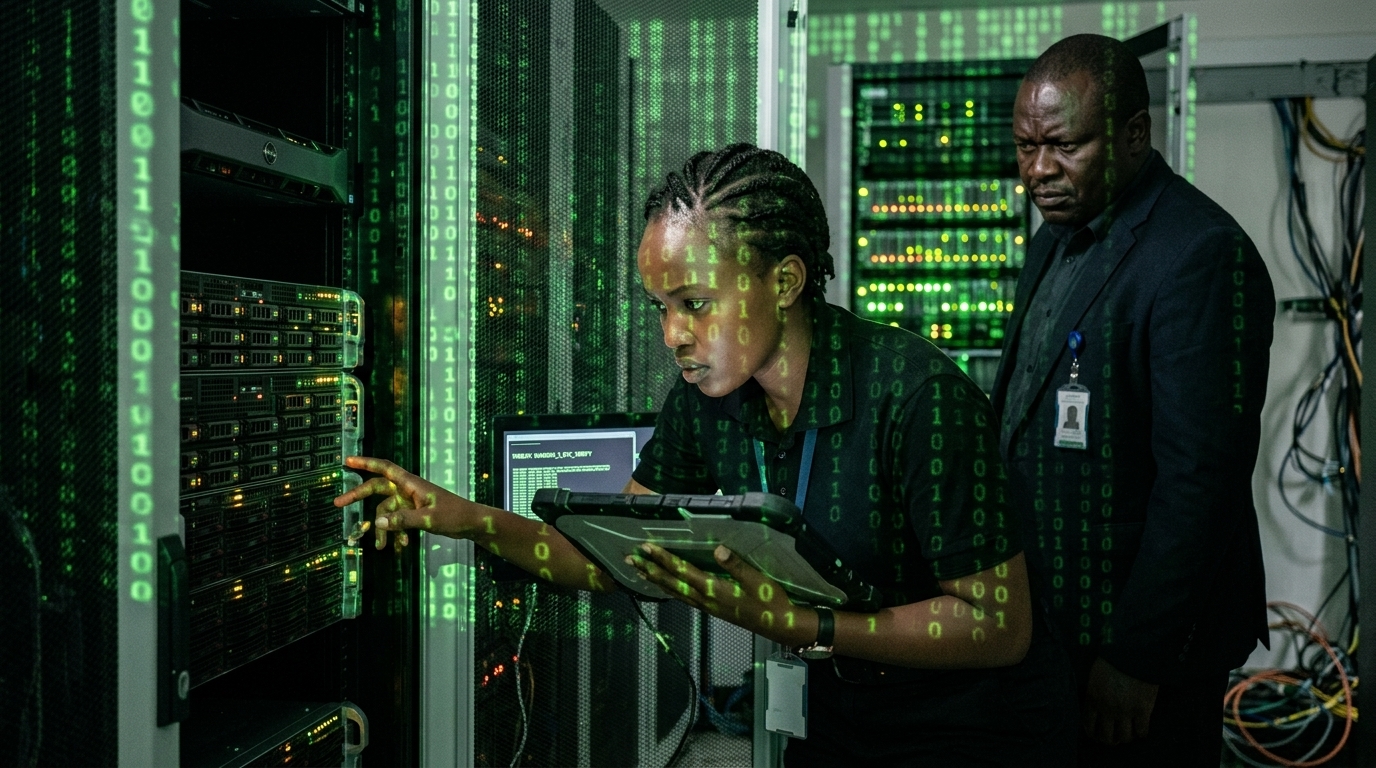
It was the summer of 2010 when the football world stopped looking at analyst charts and turned its attention to an aquarium in Oberhausen, Germany. Paul the Octopus, with his uncanny ability to choose the right food box, became the global symbol of luck and prediction. Sixteen years later, as we navigate the summer of 2026, the landscape has shifted radically. The octopus has been replaced by server clusters, and intuition by billions of data parameters.
The Evolution of Forecasting: From Luck to Big Data
The transition from Paul’s "oracle" to the dominance of Artificial Intelligence (AI) did not happen overnight. It is a systematic integration of statistical analysis into sports culture. In the early 2010s, analysts relied primarily on the Elo rating system and simple Poisson distribution models to estimate winning probabilities. However, the advent of Big Data changed the rules of the game.
Today, companies like Opta and Gracenote, in collaboration with tech giants, use machine learning models that process not just historical results, but every single movement of players on the pitch. Tracking data records the position of every player 25 times per second, allowing AI to understand team dynamics with a precision that the human mind simply cannot grasp.
How Modern Simulation Models Work
The heart of World Cup 2026 predictions beats through Monte Carlo simulations. Instead of trying to guess a single outcome, AI "plays" the tournament millions of times within minutes. Each simulation takes into account variables such as player fatigue, injuries, the geographical location of stadiums, and even the weather conditions prevailing in the cities of the USA, Mexico, and Canada.
- Expected Goals (xG): Analyzing the quality of scoring chances a team creates.
- Player Impact Engines: Algorithms that calculate the tactical value of each player.
- Sentiment Analysis: Monitoring social media to measure the psychological pressure on national teams.
These models are no longer just tools for bettors. They are essential for coaches who want to understand match progression scenarios, and for broadcasters who enrich their coverage with live, real-time win probabilities.
The Chaos Factor: Why AI is Not Infallible
Despite technological superiority, football remains the "game of unpredictable factors." Artificial Intelligence can predict statistical trends but struggles to quantify the human spirit. A red card in the 5th minute, a tragic goalkeeper error, or a moment of genius from a player like Lamine Yamal can blow any algorithm apart.
"Statistics are like a drunkard's lamppost: used for support rather than illumination," a sports journalist once said. In the age of AI, the lamppost is brighter than ever, but the darkness of the unpredictable remains part of the sport's charm.
The criticism leveled against the excessive use of AI concerns the demystification of the game. If we know with 85% certainty who will win before the kickoff, does the magic disappear? The answer perhaps lies in the fact that surprises, like Morocco's run in 2022, are what ultimately "train" algorithms to become more humble in the face of chaos.
The Future: From Prediction to Augmented Reality
Looking ahead, AI will not be limited to predicting the winner. We are already seeing the development of systems that suggest tactical changes in real-time, while fans using AR (Augmented Reality) glasses will see scoring probabilities hovering over players during the match. The legacy of Paul the Octopus lives on, not as superstition, but as the eternal human need to peek behind the curtain of the future, now using the most sophisticated tools our civilization has ever built.