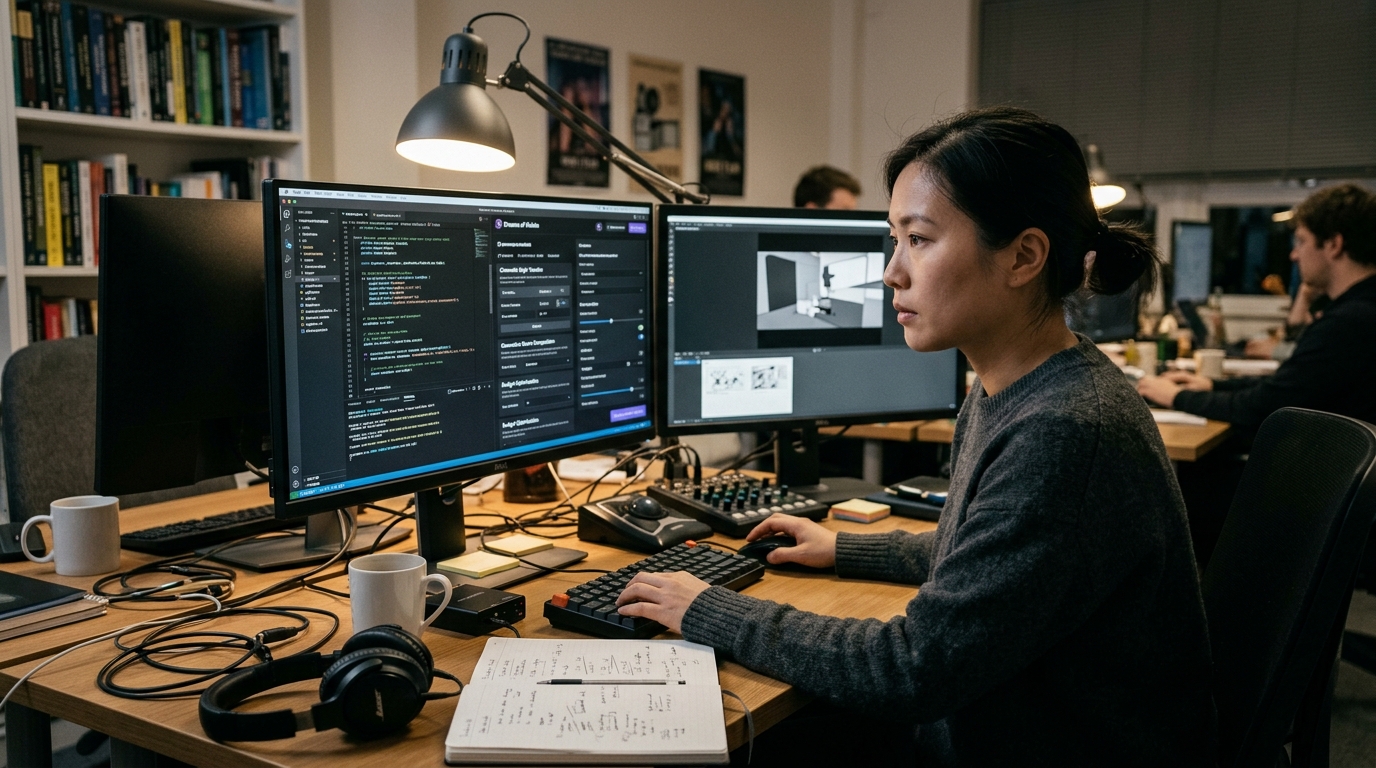
The film industry is facing its 'Gutenberg moment.' The news that 'Dreams of Violets,' a feature-length production created entirely with Artificial Intelligence tools, cost a mere $2,000 and took just two months to complete is not merely a technical update; it is a death knell for the traditional blockbuster model. For decades, entry into the world of cinema required millions of dollars, armies of technicians, and years of preparation. Today, a creator with a laptop and a few AI subscriptions can visually compete with major studios.
The Anatomy of a Digital Production
The director of 'Dreams of Violets' revealed that the bulk of the budget was not spent on cameras, lighting, or catering, but on software subscriptions and cloud computing power. By utilizing tools such as OpenAI's Sora for video generation, Midjourney for visual design, and ElevenLabs for character voices, the production managed to bypass the massive costs of physical filming. 'Dreams of Violets' is not an amateur effort with static images; it features character consistency, emotional depth, and an aesthetic reminiscent of high-end independent cinema.
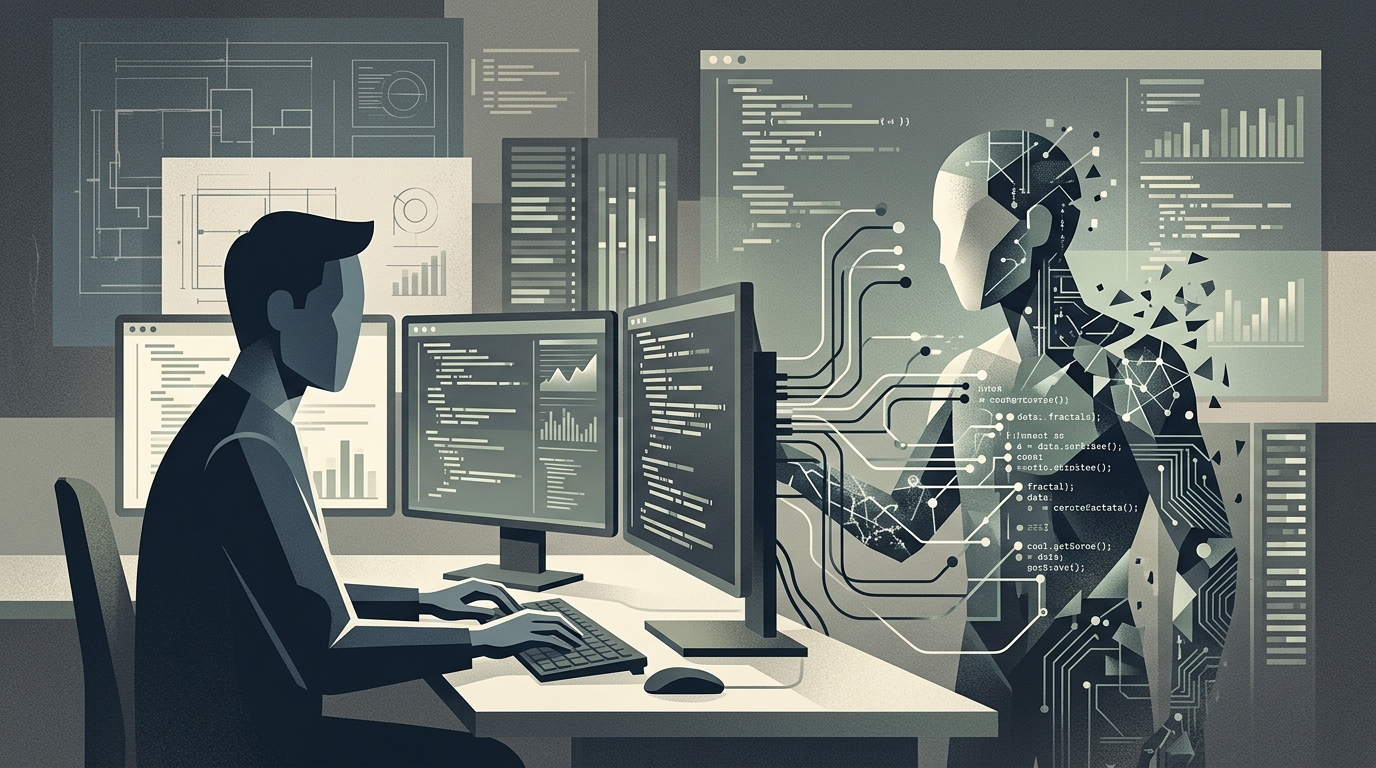
The process, however, was far from automated. The creator had to act as a 'curator,' generating thousands of clips to select the few seconds that fit his vision. This highlights a new form of craftsmanship: 'prompt engineering' and 'AI orchestration.' The director no longer holds the camera but guides the algorithm, correcting imperfections and ensuring the narrative remains human despite its digital origins.
Economic Shockwaves and Democratization
The $2,000 price tag is provocative. When considering that an average Marvel production costs upwards of $200 million, the disparity is staggering. This collapse in production costs signifies two things. First, the democratization of art: a talented individual from a working-class neighborhood in Athens or New Delhi now possesses the same tools as a Hollywood director. Second, it poses a massive threat to thousands of jobs. From visual effects (VFX) specialists to lighting technicians, the traditional set hierarchy is at risk of obsolescence.
- Elimination of location and logistics costs.
- Ability to perform infinite takes at no extra cost.
- Compression of post-production time from months to days.
- Independence from major distribution networks.
However, the industry is fighting back. Actor and writer guilds have already established strict rules regarding AI usage, fearing that the technology will be used to replace human creativity with cheap, algorithmic derivatives. 'Dreams of Violets' serves as the case study Hollywood feared: proof that quality is no longer strictly tethered to capital.
The Ethics of Artificial Art
The overarching question remains: do these films have a 'soul'? Critics argue that AI simply remixes existing human art without understanding its underlying meaning. There is also the burning issue of copyright. The models that created 'Dreams of Violets' were trained on millions of hours of film belonging to other creators, who were never compensated. Is the $2,000 success a product of innovation or a sophisticated form of digital piracy?
Despite the backlash, there is no turning back. The era where the budget served as the 'moat' protecting major studios is over. The future of cinema will be decided not by who has the most money, but by who has the most original idea and the skill to harness these new digital tools. 'Dreams of Violets' is merely the beginning of a new, unpredictable era for the seventh art.