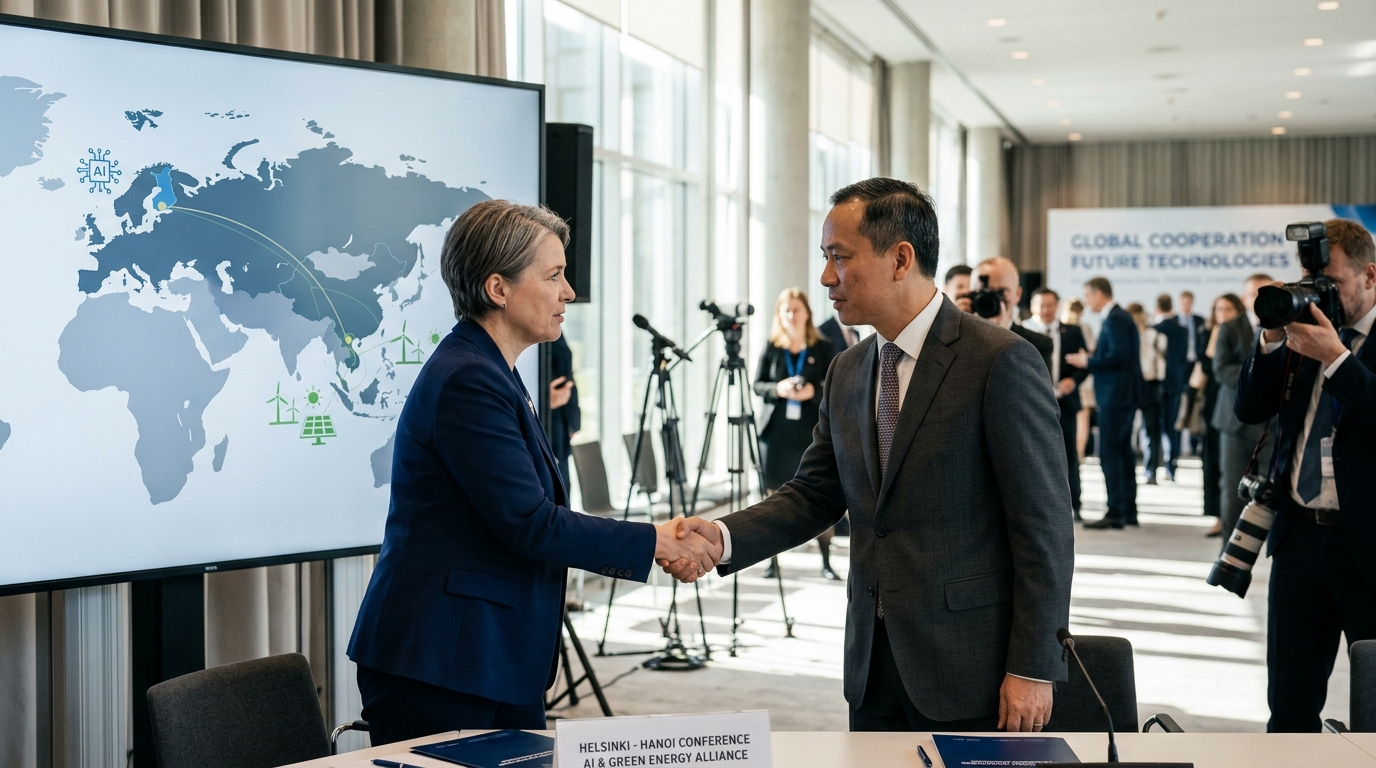
In an era where global geopolitics is shifting from traditional military alliances toward technological and energy partnerships, the recent rapprochement between Finland and Vietnam stands as a compelling example of strategic foresight. Despite their geographical and cultural differences, these two nations have found common ground in the challenges of the 21st century: Artificial Intelligence (AI), digital transformation, and the green transition.
The Digital Bridge: From Helsinki to Vietnam's Tech Zones
Vietnam is no longer just a low-cost manufacturing hub. With a population exceeding 100 million and a rapidly growing middle class, the country aims to transform into a high-value digital economy by 2030. Finland, on the other hand, is globally recognized as a leader in innovation, education, and the ethical development of technology. Their cooperation is not accidental; it is a symbiotic relationship where Finnish expertise meets the dynamic scaling potential of the Vietnamese market.
At the heart of this collaboration lies Artificial Intelligence. Vietnam has set a goal to rank among the top 4 ASEAN countries in AI development. Finland, through its universities and companies like Nokia, provides the necessary infrastructure and educational methodology to train the workforce. This is not merely about purchasing software; it is about creating an ecosystem where AI is integrated into public administration, healthcare, and logistics.
Green Energy: Answering the Climate Crisis
Green energy constitutes the second pillar of this strategic relationship. Vietnam faces a critical challenge: how to maintain high growth rates without dramatically increasing its carbon footprint. Finland, with its vast experience in wind energy, waste management, and smart cities, offers solutions that are immediately applicable.
- Development of offshore wind farms along Vietnam's extensive coastline.
- Technology transfer for the circular economy and industrial waste recycling.
- Modernization of the power grid through AI for better demand management.
This cooperation is bolstered by the EU-Vietnam Free Trade Agreement (EVFTA), which provides the legal framework for tariff reduction and investment protection. For Finnish companies, Vietnam serves as a gateway to the broader Southeast Asian market, while for Vietnam, Finland is a reliable partner that does not carry the geopolitical baggage of major powers.
Geopolitical Implications and Strategic Autonomy
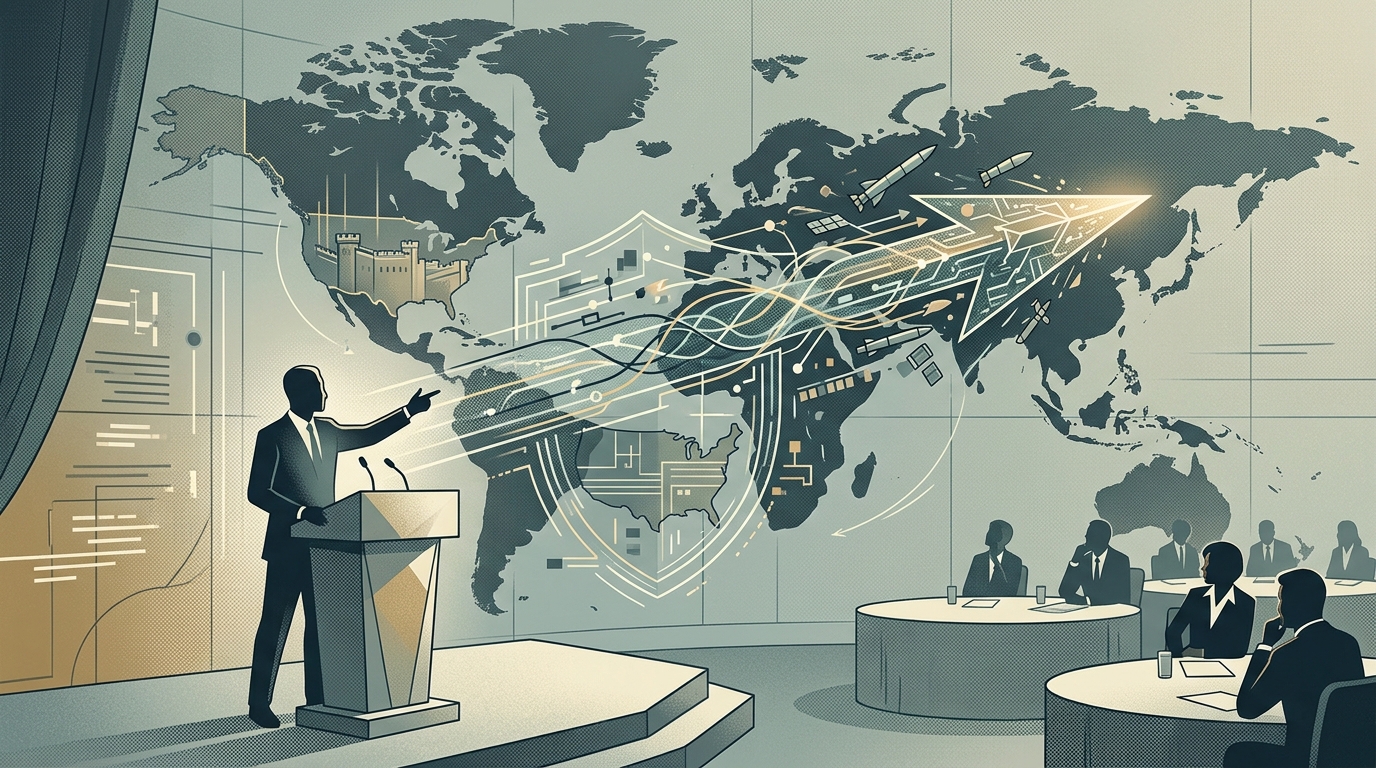
In an international environment dominated by US-China competition, Vietnam follows a policy of "multidimensional diplomacy." Strengthening ties with an EU nation like Finland allows Hanoi to diversify its technology sources and avoid over-reliance on a single superpower. Simultaneously, Finland enhances its presence in a region of strategic importance, ensuring that European standards for AI and data protection find fertile ground.
"Technology is no longer a tool, but the language of sovereignty. Our cooperation with Finland is an investment in our national resilience," government circles in Hanoi noted.
In conclusion, the convergence of Finland and Vietnam highlights a new trend: the creation of "technological corridors" connecting the developed North with the developing South. This is not just a trade agreement; it is a roadmap for how innovation can bridge the gap between different political systems with the goal of shared prosperity and environmental sustainability.