As we stand at the threshold of 2026, the concept of "curb appeal" has undergone a radical transformation. While a manicured lawn and a fresh coat of paint were once sufficient, today’s first impression is defined by a property's digital elegance. The challenge for the modern homeowner is no longer the addition of technology, but its concealment. Wired and leading industry analysts emphasize that the trend for 2026 is "Invisible Tech"—devices that offer maximum functionality without disrupting architectural harmony.
The Aesthetics of Security: From Bulky Cameras to Invisible Protection
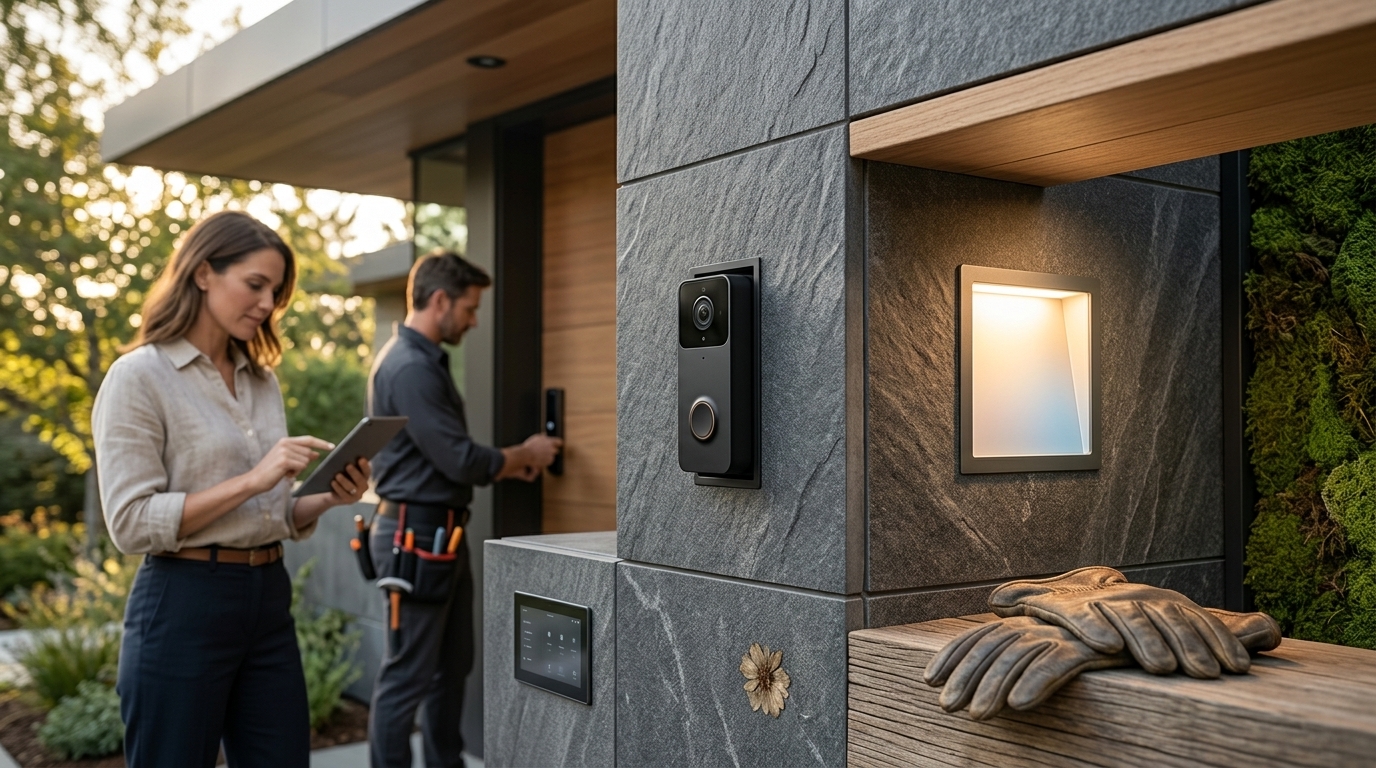
Security remains the top priority, but how we perceive it visually has shifted. The days of bulky, white plastic cameras protruding from wall corners are over. In 2026, the market is flooded with cameras integrated into light fixtures or even decorative facade elements. These devices use wide-angle lenses with 8K resolution and night vision capabilities that don't require visible infrared light, keeping the facade clean and welcoming.
Smart locks have also evolved. The new generation of locks, such as those championed by Level and Yale, are installed entirely within the door's interior, allowing homeowners to retain their traditional brass or wrought-iron handles. Communication happens via the Matter 2.0 protocol, ensuring the lock "wakes up" only when the authorized user approaches, offering an experience that feels more like magic than technology.
Architectural Illumination: The Power of Matter and Thread
Lighting is perhaps the most potent tool for enhancing a home's exterior. In 2026, we aren't just talking about motion-activated floodlights, but dynamic systems that follow circadian rhythms and seasonality. New smart exterior lighting systems utilize high Color Rendering Index (CRI) LED technology, which highlights the true textures of stone and wood on the facade.
- Dynamic Scenes: Lighting can automatically transition from a warm amber hue at dusk to a soft moonlight glow during the night.
- Sensor Integration: Motion sensors are now so small they are embedded into wall seams, activating light paths as you walk toward the entrance.
- Energy Autonomy: Many of these systems are now powered by invisible solar films applied to roofs or windows, eliminating the need for complex wiring that mars the garden's appearance.
Smart Landscaping: The Garden as an Autonomous Ecosystem
Curb appeal is completed by the garden. In 2026, robotic lawnmowers no longer require perimeter wires buried in the ground. Using precision GPS and LiDAR sensors, they move with surgical accuracy, maintaining the lawn in perfect condition without human intervention. Furthermore, smart irrigation systems connect to local weather stations and soil moisture sensors that are buried and completely invisible.
"The home of the future should not look like a computer lab, but like a sanctuary that understands you before you even touch the doorknob."
This approach is also changing property values. Real estate agents report that homes with "smart curb appeal" sell faster and at higher prices, as buyers appreciate the ready-made infrastructure that requires no aesthetic compromises. Investing in high-quality accessories that support the Matter protocol ensures the system will remain functional and expandable for the next decade, making the home not only more beautiful but also more sustainable.