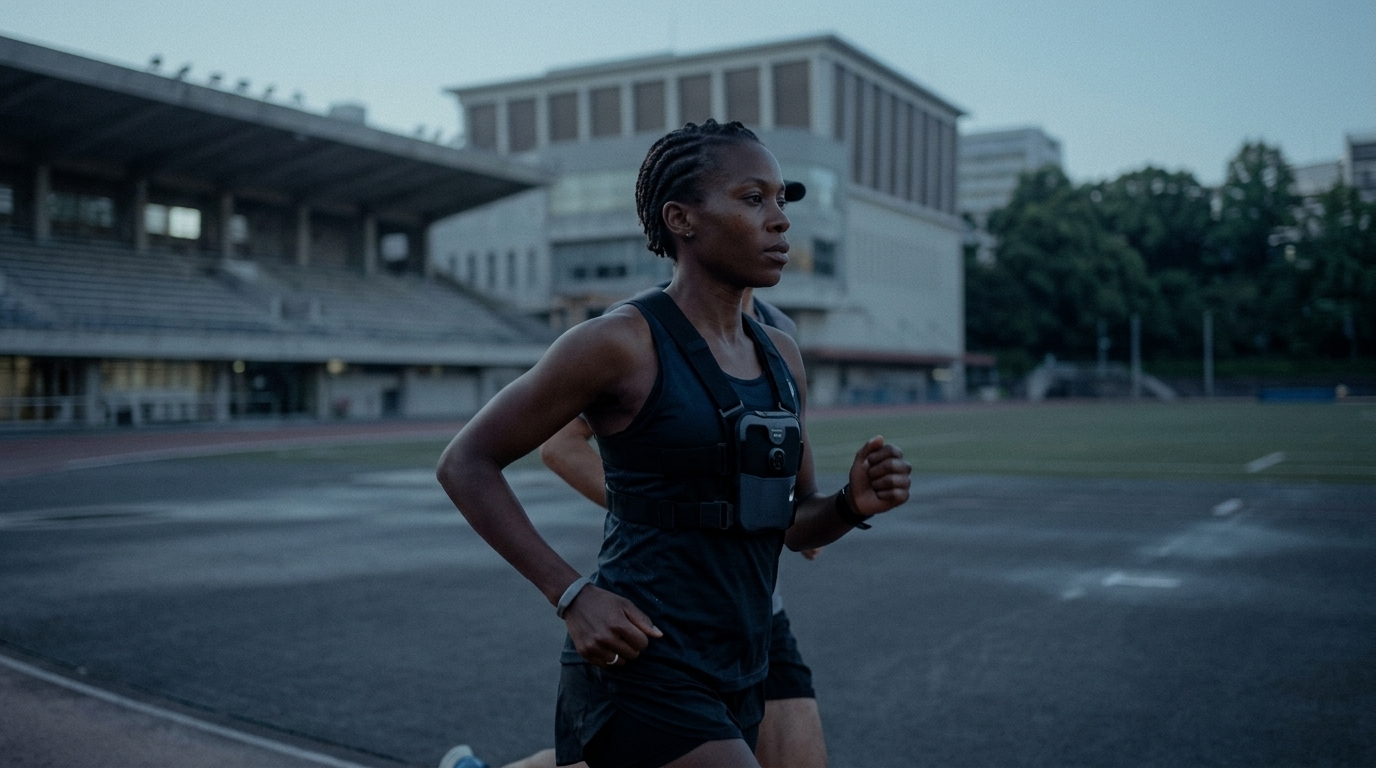
Freedom of movement is a fundamental human experience, yet for athletes with visual impairments (BLV - Blind and Low Vision), the simple act of running outdoors often requires the constant presence of a guide, a guide dog, or the use of a tether. While necessary for safety, this dependency inherently limits the sense of absolute autonomy. Google DeepMind, through its new research initiative, the "Running Guide agent," aims to break these bonds by transforming a standard smartphone into a sophisticated digital companion that allows runners to move without physical constraints.
From Project Guideline to the Agentic Era
Google's commitment to accessibility for runners isn't new. It began with "Project Guideline," a system that required a painted line on the ground for the mobile camera to track and guide the athlete. However, the real world is not a controlled track; it is chaotic, filled with trees, pedestrians, parked cars, and sudden terrain changes. The Running Guide agent represents a qualitative leap from a simple line-following system to a full-fledged AI "agent."
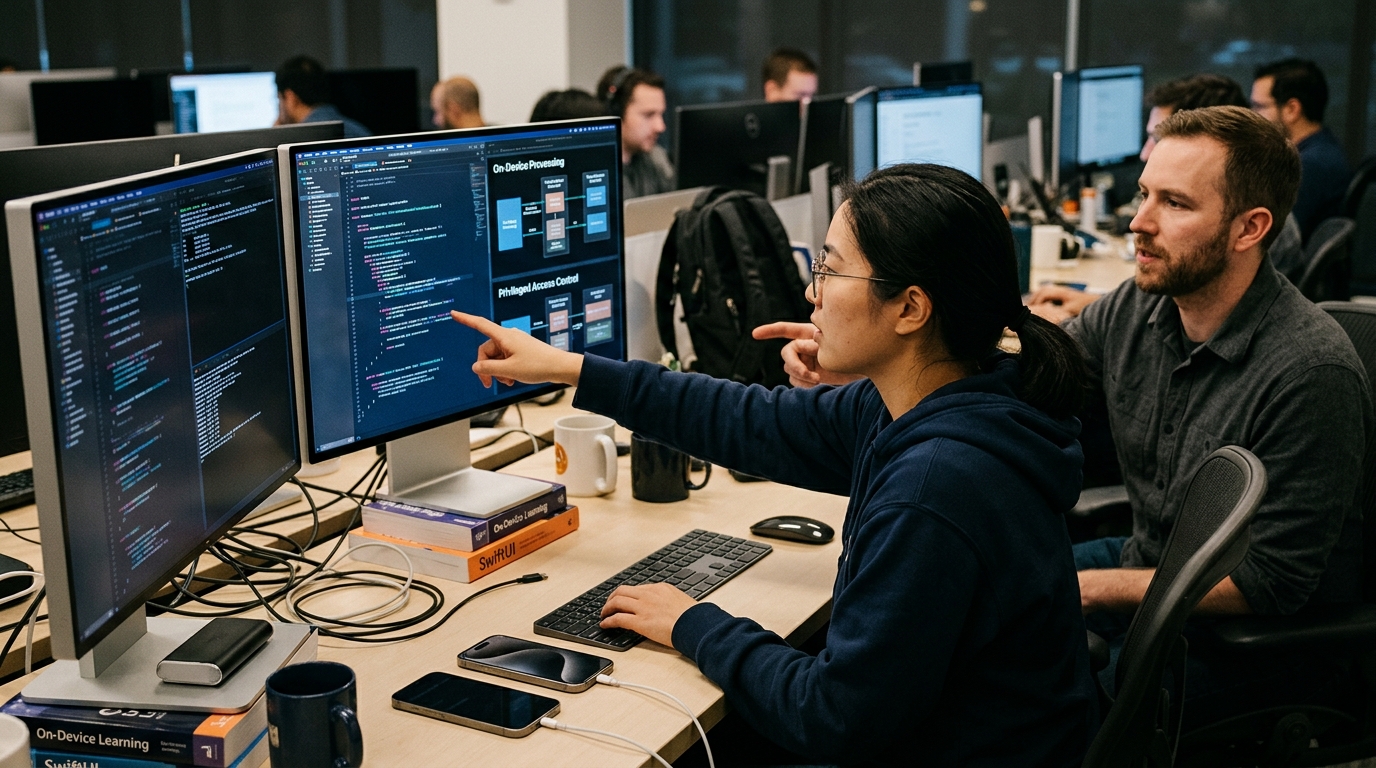
The system utilizes advanced computer vision models running locally on-device, ensuring the low latency required when a runner is moving at speed. The AI no longer searches for a specific line but understands the broader environment. It identifies path boundaries, distinguishes between grass and pavement, and most importantly, detects dynamic obstacles in real-time. This shift from reactive tracking to proactive environmental understanding is the hallmark of modern agentic AI.
The Architecture of Perception and Spatial Audio
The technical challenge behind the Running Guide agent is formidable. The system must process multiple video frames per second, map spatial depth, and predict the runner's trajectory. Google DeepMind implemented machine learning techniques that allow the agent to "think" like a human guide: prioritizing hazards and suggesting course corrections before the runner even approaches an obstacle.
The user interface is handled through spatial audio. Instead of basic voice commands, the runner hears a sound that appears to emanate from the direction they should follow. If they veer left, the sound shifts to the right, acting as an "acoustic magnet" pulling the runner back to the safe path. When an obstacle is detected, the audio signal changes in pitch and frequency, providing an intuitive understanding of distance and urgency.
- Real-time Segmentation: Distinguishing safe ground from hazardous areas instantaneously.
- Obstacle Detection: Identifying both static and moving objects in the runner's path.
- On-device Processing: Operating without cloud connectivity to ensure privacy and zero-lag performance.
- Adaptive Guidance: Tailoring instructions based on the athlete's specific pace and stride.
Beyond Technology: The Social Impact
The significance of this tool transcends its technical specifications. For the BLV community, this technology is a powerful tool for empowerment. The ability to go for a run at 6:00 AM without needing to coordinate with a volunteer guide radically alters one's quality of life and sense of agency. Furthermore, using the smartphone as the central hub makes this technology potentially accessible to millions without the need for prohibitively expensive, specialized hardware.
"Our goal isn't just to replace the guide, but to give the runner the confidence to explore their environment on their own terms," state the researchers at Google DeepMind.
However, challenges remain. Battery life during intensive video processing, reliability in low-light conditions, and the ethical liability in the event of an accident are issues the industry must navigate. The Running Guide agent is currently a research prototype, but results from trials with athletes like Thomas Panek suggest that the future of "unbounded" running is closer than ever.
In a world where AI is often viewed as a threat to employment or a tool for surveillance, applications like these remind us of the original promise of technology: to expand human potential and dismantle the barriers imposed by physical disability. By turning vision into sound, Google is not just guiding runners; it is redefining what it means to be independent in a digital age.