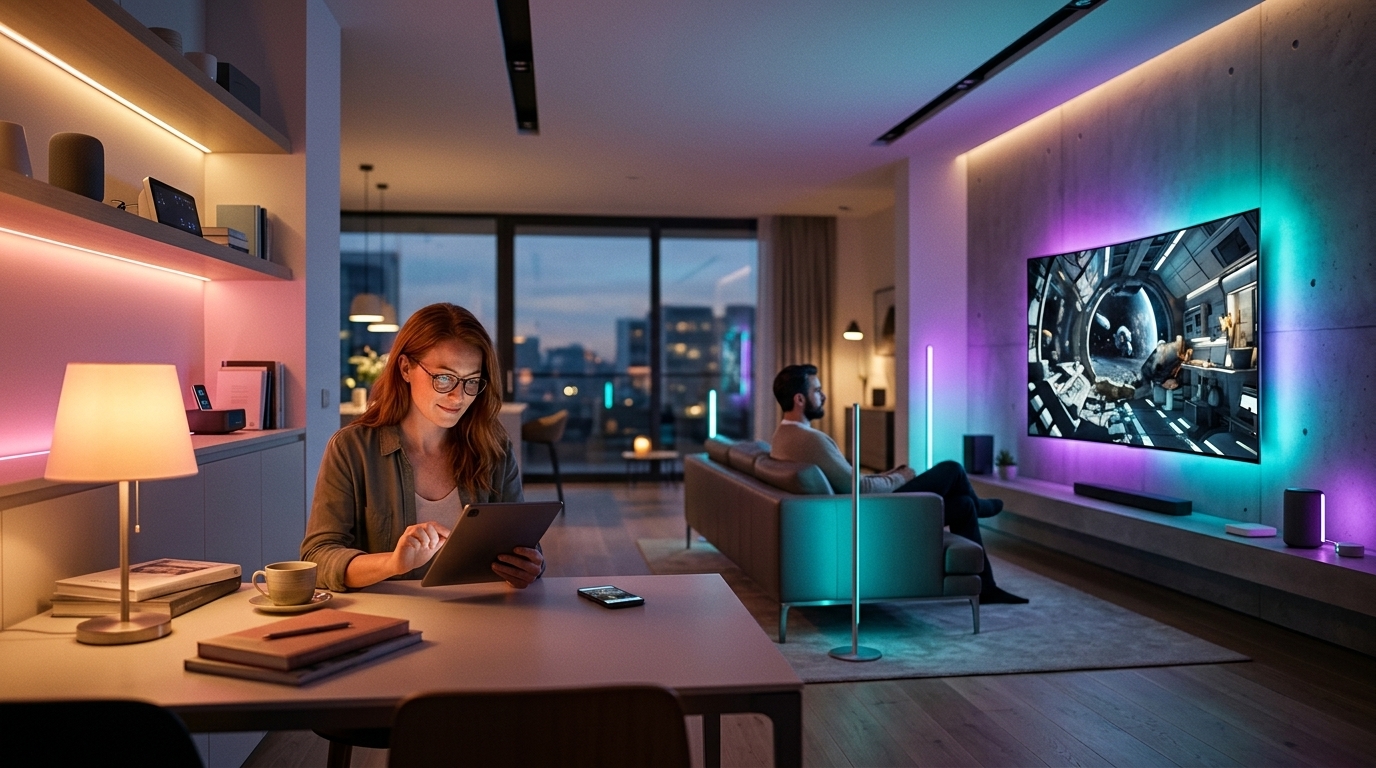
In the fluid landscape of consumer technology in 2026, opportunities to acquire top-tier equipment at affordable prices often serve as a barometer for the broader adoption of smart systems. The recent move by Woot, Amazon's well-known subsidiary, to offer an additional 20% discount on a wide range of Philips Hue products, Kindle Scribes, and other gadgets, is not merely a commercial promotion. It is an indication of a maturing market that now aims for mass penetration, using the lure of open-box devices and targeted discounts.
Philips Hue, under the Signify umbrella, remains the undisputed leader in the smart lighting sector. Despite the emergence of numerous and cheaper competitors from Asia, Hue maintains its dominance thanks to its color spectrum quality, ecosystem reliability, and full compatibility with modern protocols. The current offer with the code SAVETWENTY highlights an interesting trend: the rise of "circular tech," where returned or opened products return to the market with a full warranty, reducing the environmental footprint and the cost for the end-user.
The Strategic Importance of the Ecosystem
But why should a consumer invest in a bulb that costs several times more than a conventional LED? The answer in 2026 lies in the concept of wellness and energy management. Smart lighting is no longer just about changing colors for parties. It is inextricably linked to circadian rhythms, helping users wake up with natural light and relax in the evening with the gradual reduction of blue light. Furthermore, integration with motion sensors and automation via the Matter protocol ensures that no bulb stays on unnecessarily, contributing to lower electricity bills which remain high across the Eurozone.
Woot's offer also includes the Kindle Scribe, a device that bridges the gap between reading and note-taking. In an era where digital fatigue from OLED screens is intense, E-ink technology remains the sanctuary of the thinking person. The discount on such productivity tools suggests that the market recognizes the need for devices that promote concentration rather than mere content consumption.
Matter and Thread: The New Language of the Home
A critical point for buyers to note in 2026 is compatibility. The Philips Hue products being sold today are fully compatible with the Matter standard, which has now become the norm for interoperability between Apple Home, Google Home, and Amazon Alexa. This means that investing in an "open box" today will not become obsolete tomorrow. The use of Thread as a communication protocol ensures low energy consumption and lightning-fast response, which used to be the weak point of smart homes in the past.
- Philips Hue reliability remains the gold standard in the market.
- Refurbished devices offer a sustainable alternative at a lower cost.
- Interoperability through Matter eliminates the fear of a "locked" ecosystem.
- Discounts on tools like Kindle Scribe enhance digital productivity.
In conclusion, it is clear that such discounts act as catalysts. For the average user, transitioning to a fully automated home can seem expensive or complex. However, when premium brands become accessible through discount channels, the barrier to entry recedes. Home technology should not be a luxury, but a tool that serves human comfort and resource economy.
The Market Outlook for 2026
Looking ahead, we expect more such moves from major retailers. Amazon, through Woot, uses these flash sales to clear inventory before the introduction of new models that integrate artificial intelligence directly into the hardware (Edge AI). For the informed consumer, this is the sweet spot: buying cutting-edge technology that is "new enough" to be relevant, but "old enough" to be cost-effective. 2026 is the year of the smart buyer, not just the smart home.