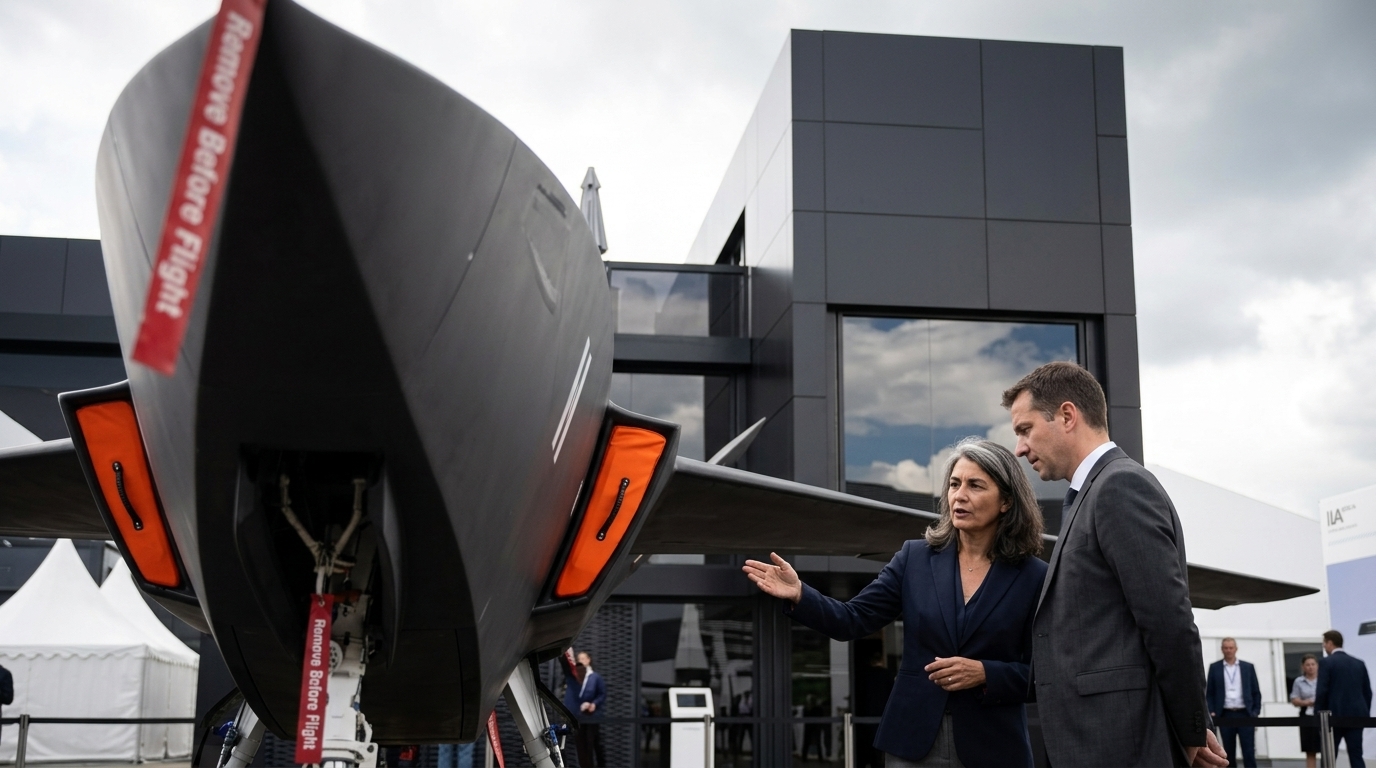
The summer of 2026 marks a pivotal turning point for global aviation. After decades of reliance on manual systems and fragmented processes, airports worldwide are embracing "Operational Autonomy." This is not merely automation, but the full integration of Artificial Intelligence (AI) into the core of airport operations, creating what experts call the "living airport."
The Invisible Orchestration: From Gates to Baggage
The most significant change is happening where the passenger cannot see. In traditional airports, gate assignment was a logistical nightmare, influenced by flight delays, weather conditions, and technical issues. Today, AI systems process millions of data points in real-time to predict delays before they even occur, reassigning gates and ground staff with split-second precision. This reduces aircraft taxi times, saving tons of fuel and significantly lowering the carbon footprint.
Simultaneously, baggage handling has entered a new era. Autonomous robots and smart conveyor belts use computer vision to identify and route suitcases with a near-zero error rate. The era of the "lost bag" is becoming a distant memory, as AI tracks every item from check-in to the aircraft's hold, simultaneously updating the passenger via an app on the exact location of their belongings.
Biometric Flow and the End of Queues
The greatest friction in the travel experience has always been security and passport control. Operational autonomy introduces the concept of "seamless flow." Through advanced biometric identification, a passenger's face becomes their passport, ticket, and credit card. In modern hubs, such as Singapore's Changi or London Heathrow, which are leading this integration, passengers pass through checkpoints without stopping, as AI sensors analyze biometric data on the move.
"Artificial Intelligence is no longer a support tool; it is the central nervous system of the airport, allowing for the simultaneous management of thousands of variables that the human brain cannot grasp in real-time," says a leading aviation analyst.
However, this convenience raises serious questions about privacy. Continuous monitoring of passenger movement within the terminal allows airports to optimize flow and avoid overcrowding, but it also creates a digital footprint that many find intrusive. The balance between security, speed, and personal data remains the great challenge of the decade.
Predictive Maintenance and Sustainable Growth
Beyond the customer experience, AI is rebuilding infrastructure. Predictive maintenance allows airport managers to know when an elevator motor, an HVAC system, or even a section of the runway is about to fail. This prevents costly emergency repairs and flight cancellations.
- Reduction in energy consumption by up to 30% through smart lighting and climate control.
- Optimization of ground vehicle routes to minimize emissions.
- Automated Foreign Object Debris (FOD) detection on runways for maximum safety.
In conclusion, operational autonomy is not just about technology; it is about the transformation of the airport from a static waiting area into a dynamic organism that adapts to the needs of the moment. As we move toward 2030, the "invisible airport"—where everything works perfectly without the passenger noticing the complexity—will become the new global standard.