In an era where user attention is the most valuable currency in the digital economy, Meta is making a strategic move that fundamentally alters the rules of the game for content creators. With the announcement of the "Creator Assistant" and a significant expansion of AI-powered translation capabilities, the social media giant is not just offering new tools; it is redefining the relationship between the creator, the content, and a global audience.
The Creator's Digital Twin
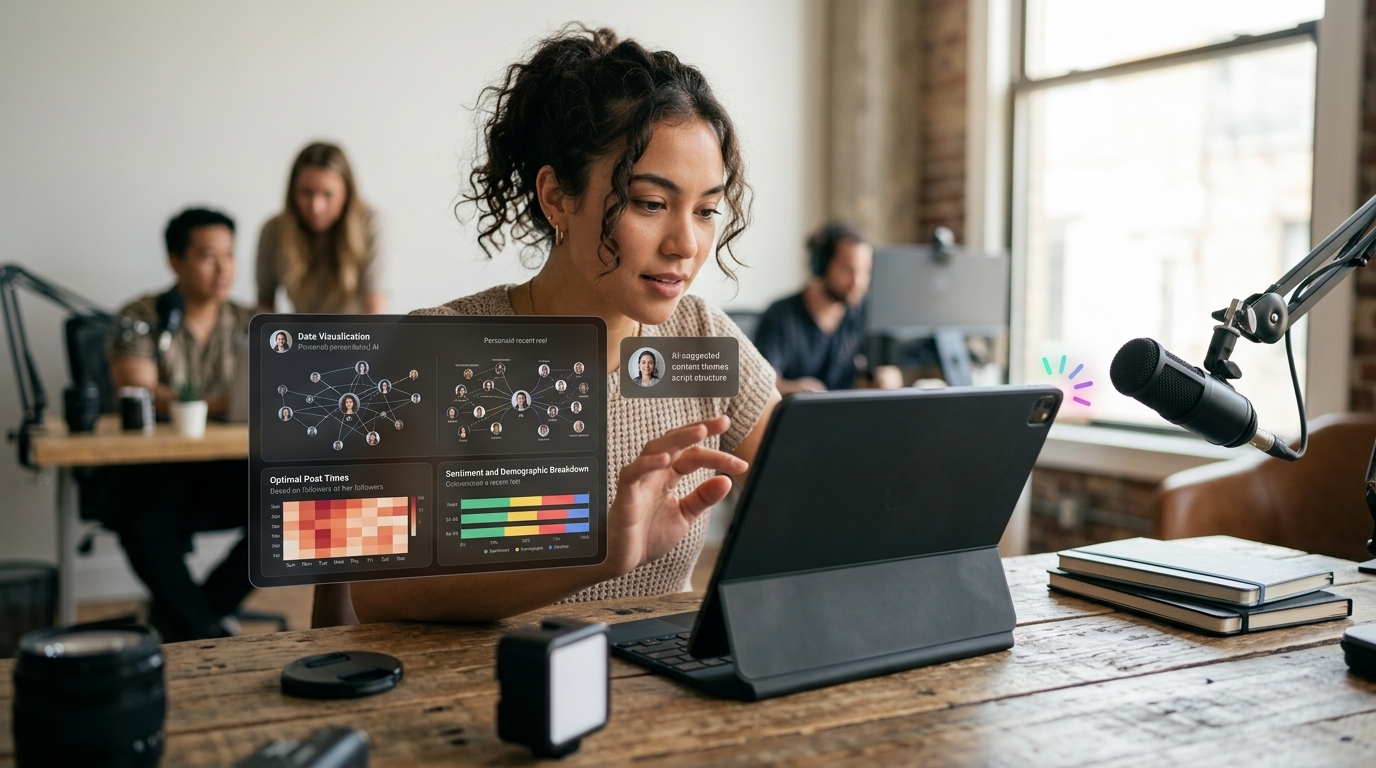
The Creator Assistant is far from a basic recommendation algorithm. It is a sophisticated AI model, built on the Llama 4 architecture (as of 2026), designed to understand the unique "DNA" of every single creator. By analyzing past posts, writing style, video aesthetics, and audience engagement patterns, the assistant can suggest resonant topics, draft scripts that maintain the creator’s voice, and recommend optimal posting times based on real-time market trends.
The core innovation here is personalization. Unlike generic tools like ChatGPT, Meta’s Creator Assistant is "trained" (with user consent) on the specific content of each individual account. This means a comedian in Athens will receive vastly different suggestions than a tech analyst in San Francisco, not just due to subject matter, but because of the cultural and stylistic context each has cultivated over years of posting.
Shattering the Tower of Babel: AI Translations and Dubbing
The second pillar of the announcement involves the expansion of linguistic translation models. Meta is now integrating technologies that allow for automatic video dubbing in dozens of new languages, while simultaneously preserving the creator’s original tone and vocal timbre. This development is a game-changer for creators from smaller linguistic markets, such as Greece, enabling them to reach a global audience without the prohibitive costs of professional translation or the need to be fluent in English, Spanish, or Mandarin.
The "SeamlessM4T" technology at the heart of this upgrade has been refined to minimize mistranslations and recognize regional idioms. For instance, a Greek expression used in a Reel can now be rendered with a corresponding idiomatic expression in Portuguese, rather than a dry, literal translation. This enhances authenticity and helps build a deeper emotional connection with viewers across the globe, regardless of the language they speak.
A Strategic Response to Market Competition
Meta’s move does not occur in a vacuum. Competition with TikTok and YouTube (Shorts) is fiercer than ever. While TikTok thrives on content discovery via a powerful algorithm, Meta is betting on empowering the creators themselves with tools that drastically reduce production time. The goal is to retain high-value creators within its ecosystem by offering a comprehensive career management suite that no other platform currently matches in depth.
- Automated Community Management: The assistant can categorize comments, identify recurring questions, and suggest replies, allowing creators to focus on the creative process.
- Advanced Analytics: Beyond mere numbers, the AI explains the "why" behind a video’s success or failure, offering actionable insights.
- Multimodal Creation: The ability to turn a text prompt into a video script or a static image into a dynamic story with AI assistance.
However, the increasing reliance on AI raises valid questions about authenticity. If Artificial Intelligence is writing the scripts, choosing the topics, and translating the voices, where does the human end and the machine begin? Meta maintains that the creator remains the "conductor of the orchestra," but the fine line between creative enhancement and algorithmic homogenization remains a topic of intense debate.
Conclusion: The Future of Digital Influence
The integration of the Creator Assistant and expanded translations marks a milestone for Facebook and Instagram. For smaller markets, the opportunities are immense. A Greek creator focusing on culinary arts or technology can now, with the click of a button, see their content consumed by millions in Latin America or Asia, with flawless dubbing. This technology democratizes access to global attention, provided that creators can maintain their personal touch amidst the sea of AI-generated information.