The music industry stands at a pivotal crossroads, where the tradition of human inspiration meets the computational might of artificial intelligence. The recent announcement of the partnership between Google Labs and Believe — one of the world's leading digital music companies — marks the dawn of a new era. The "Flow Music" program is not just another production tool; it is a comprehensive platform promising to democratize access to advanced AI models for independent artists, producers, and songwriters.
The Alliance Between Google and the Independent Scene
Believe, renowned for its support of independent creators and small labels, serves as the ideal partner for Google. While major record labels (the "Majors") often view AI with suspicion or through the lens of litigation, Believe is choosing the path of integration. Through this partnership, artists represented by Believe will gain early access to Google Labs' experimental technologies, allowing them to experiment with Flow Music before it reaches the broader public.
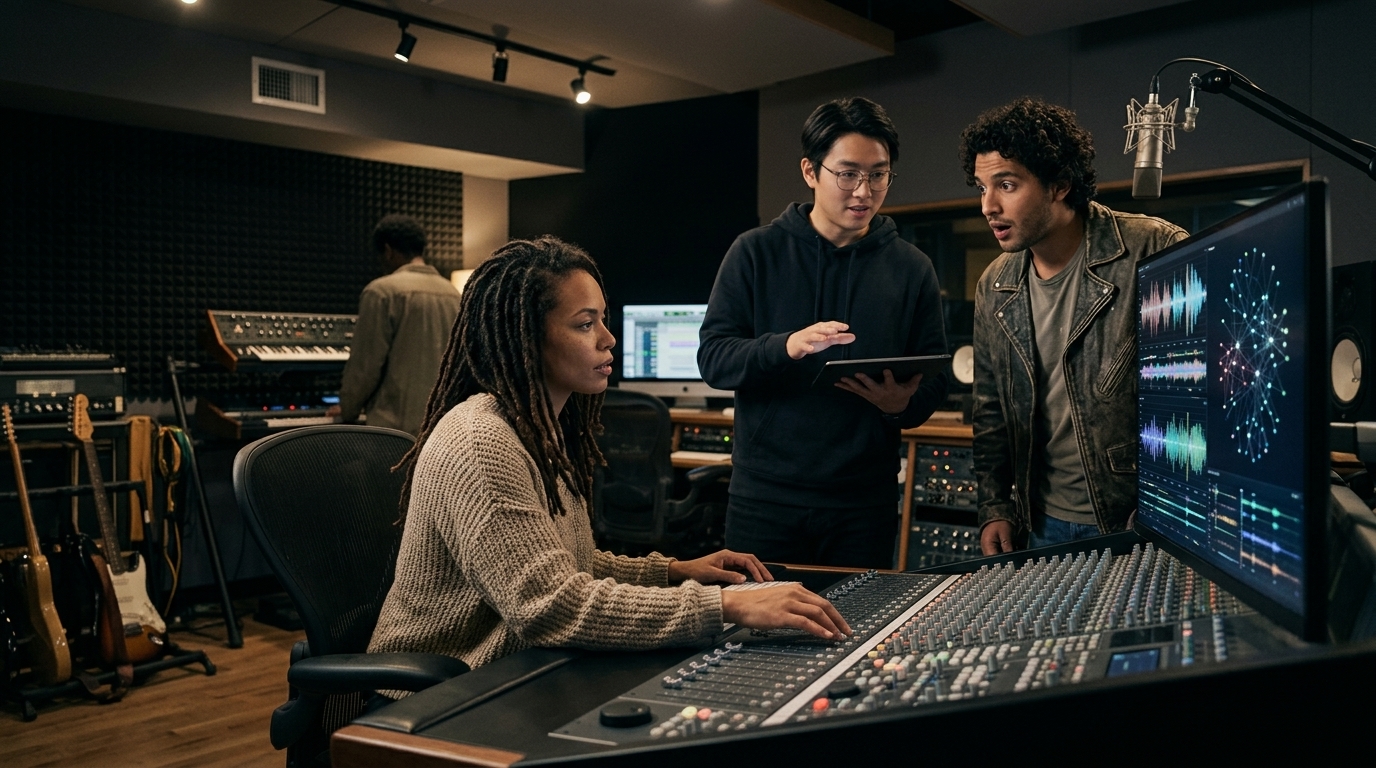
Flow Music is built upon the capabilities of Google's Gemini models, specifically fine-tuned for the nuances of musical creation. This is not an "instant music" generator designed to replace humans, but a system built to act as a creative collaborator. From lyric composition and rhyme discovery to melody prototyping and sound design, Flow Music aims to eliminate the "blank page syndrome" for creators.
Tools That Empower, Not Replace
One of the most significant features of Flow Music is its ability to understand an artist's context and style. Using advanced natural language processing and signal analysis, the tool can suggest alternative arrangements or help structure a song based on the user's preferences. According to Google, the focus is strictly on the "human-in-the-loop" philosophy, ensuring that the final artistic decision always rests with the creator.
- Lyric Assistance: Suggestions for words, themes, and emotional nuances that align with the artist's established style.
- Audio-to-Audio Transformation: The ability for a creator to whistle a melody and have the AI transform it into a full track with instruments of their choice.
- Genre Experimentation: Tools that allow for rapid testing of a track across different genres (e.g., from jazz to synth-pop) to find the right creative direction.
This approach is vital for independent artists who often lack the budget for expensive studios or large production teams. Flow Music functions as a "virtual production assistant," offering capabilities that were previously the exclusive domain of the industry's top-tier names.
Ethics, Intellectual Property, and the Future
Naturally, the entry of AI into music production raises serious questions regarding copyright and authenticity. Google and Believe have committed to following a responsible approach. Google Labs is implementing watermarking technologies, such as SynthID, to identify AI-assisted content. Furthermore, the partnership with Believe ensures that models are trained or utilized with respect for artists, avoiding the unauthorized use of protected material.
"Artificial intelligence should not be a threat to creativity, but a catalyst that allows more people to express themselves musically," says a representative from Google Labs.
This strategic move by Google indicates that the company intends to lead the "creative tools" market, competing with platforms like Suno or Udio, but with a more professional and ethically-oriented framework. For Believe, this move reinforces its status as an innovative service provider, attracting new talent seeking the cutting edge of technology.
In conclusion, Flow Music is not merely a technical upgrade; it is a cultural shift. As the boundaries between human and machine become more blurred, the value of music will continue to be judged by the emotion it evokes in the listener. If Google's tools help an artist express that emotion more effectively, then AI will have achieved its highest purpose: the enhancement of the human experience.