The history of technological progress is typically a story of deflation. From the steam engine to the internet, innovations tend to lower production costs, increase efficiency, and ultimately make goods and services cheaper for the end consumer. However, in the case of Artificial Intelligence (AI), Goldman Sachs points to a troubling short-term deviation: instead of acting as a brake on prices, AI is currently functioning as an inflationary accelerator.
The Physical Reality of the Digital Revolution
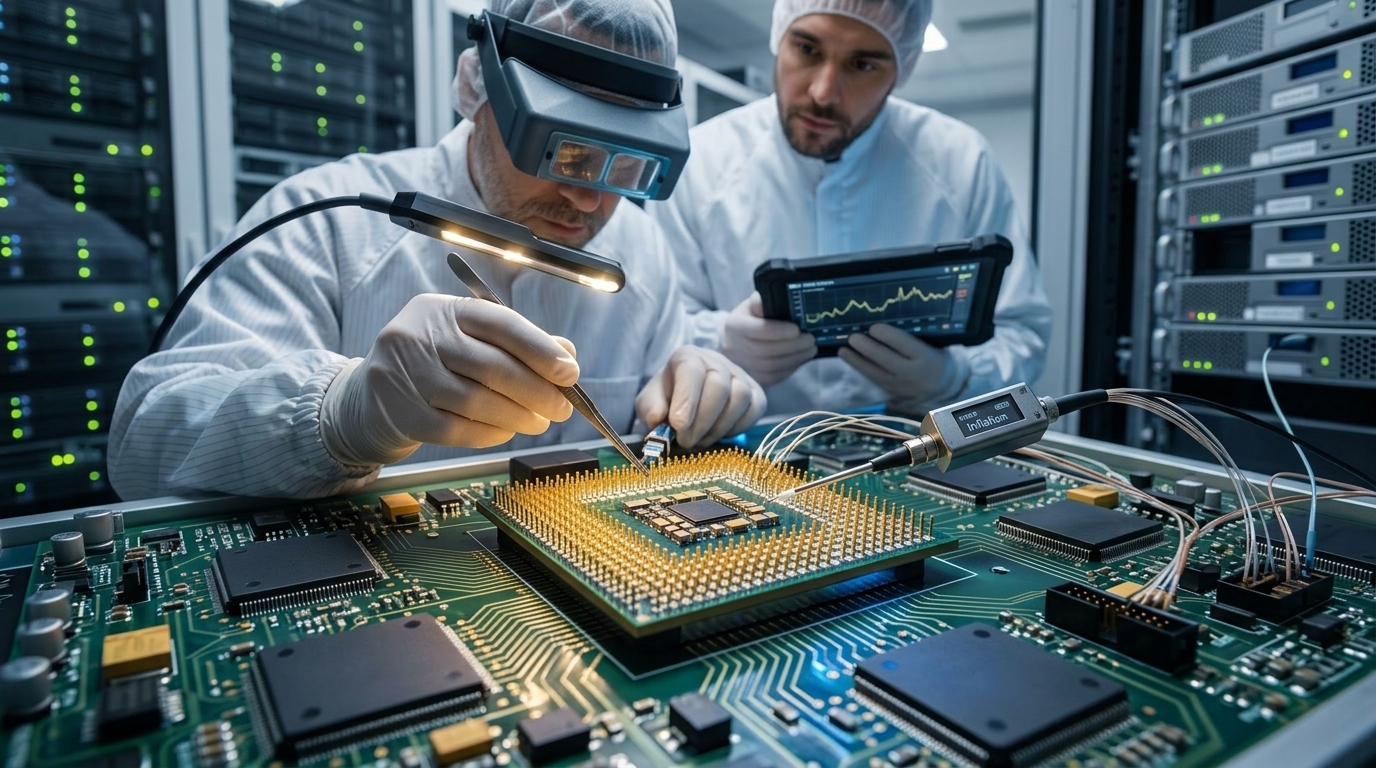
The first and most obvious point of pressure is found in the hardware supply chain. The global thirst for Graphics Processing Units (GPUs), primarily from Nvidia, has created a market where demand far outstrips supply. This doesn't just affect tech giants. The surge in semiconductor prices trickles down to a wide array of products, from laptops and servers to specialized medical equipment. According to Goldman Sachs' analysis, the U.S. Personal Consumption Expenditures (PCE) price index already reflects these increases in software and electronic devices.
Furthermore, building the necessary infrastructure—the ubiquitous data centers—requires massive amounts of steel, cement, and specialized cooling equipment. This AI "construction boom" competes with other public and private projects for the same resources, pushing raw material prices upward. It is a classic case of demand-pull inflation, where billions of dollars flowing into the sector push the boundaries of the economy's productive capacity.
The Energy Challenge and Utility Costs
Perhaps the most critical aspect of the analysis concerns electricity. Training and running Large Language Models (LLMs) are energy-intensive processes that require a steady power supply 24/7. Goldman Sachs estimates that electricity demand from data centers will increase by 160% by 2030. This sharp rise in demand comes at a time when global power grids are already under strain due to the transition to renewable energy sources.
"Artificial Intelligence is not just code; it is energy and matter. And energy is currently becoming more expensive," the bank's analysts note.
The result is an increase in electricity tariffs not only for tech companies but also for households. As utility companies invest billions to upgrade their grids to withstand the AI load, these costs are passed on to consumers, further fueling inflation in utility services.
The Solow Paradox and the Productivity Lag
But why aren't we seeing the productivity benefits that would offset these increases yet? Economists often refer to the "Solow Paradox," named after Robert Solow's famous 1987 quote: "You can see the computer age everywhere but in the productivity statistics." AI is in a similar phase. Companies are spending vast sums on adopting the technology, hiring high-priced engineers, and purchasing software licenses, but the reorganization of work processes that will bring real cost savings takes time.
In the meantime, the competition for AI talent has led to wage increases that far exceed the market average. These raises, though affecting a limited number of workers, create a "spillover effect" on worker expectations and general labor costs in the tech sector, which eventually get embedded into the prices of services consumers enjoy.
Conclusion: A Painful Transition
Goldman Sachs is not suggesting that AI will be inflationary forever. On the contrary, the long-term forecast remains positive: once the infrastructure is complete and the technology is fully integrated into production, costs will drop dramatically. However, for the next 3 to 5 years, the global economy must manage the "cost of transition." AI, once seen as a tool for deflation, has temporarily turned into an expensive investment that pressures state and citizen budgets alike, forcing central banks to remain vigilant.